Saudi Arabia / Explore
Wahid Exhibition Brings Saudi and Pakistani Artists Together in Jeddah
More than 60 Saudi and Pakistani artists are taking part in Wahid at Pakistan’s consulate in Jeddah, according to official reporting on 13 November. The programme runs through 14 November and brings visual art and calligraphy into a shared setting for public cultural exchange.
A joint exhibition with a public audience
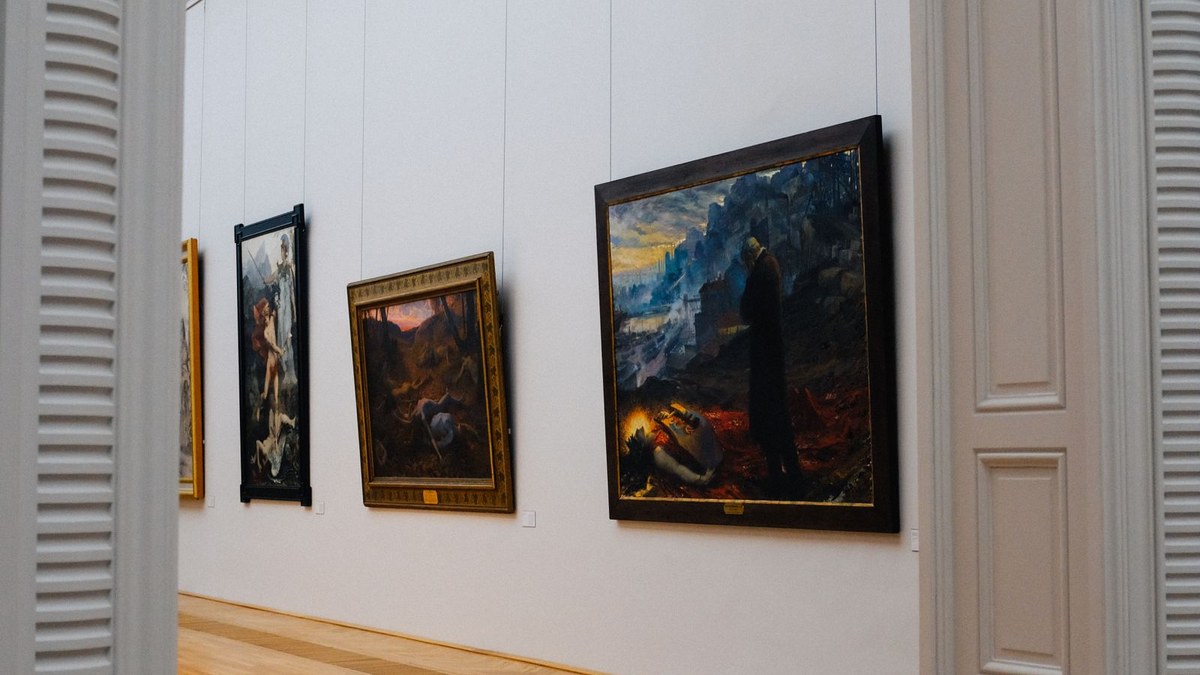
The Saudi-Pakistani exhibition Wahid is bringing visual artworks and calligraphy to the Consulate General of Pakistan in Jeddah. SPA’s 13 November report gives the programme dates as 12–14 November and identifies more than 60 participating artists. The exhibition is open to families, students and art enthusiasts through prior registration. Its stated theme links shared heritage with diverse expression, placing cultural connection and individual artistic difference within the same programme.
Associated Press of Pakistan also reported the exhibition, naming curator Mahira Ali and describing the involvement of Saudi cultural representatives and the Pakistani community. Its account refers to an inauguration on Friday, while SPA gives the broader three-day programme. Readers planning to attend on the final day should therefore confirm the current visiting arrangements directly with the organisers. The reports reviewed here do not establish opening hours, admission charges or a walk-in policy, and those details should not be assumed.
Shared heritage does not require identical work
The interesting curatorial question in a joint exhibition is how common reference points coexist with different artistic choices. Two works may engage with a similar cultural subject while differing in material, scale, composition or emotional tone. A useful visit gives those differences room to be seen. The national labels explain who has come together, but they do not tell the viewer what every artist believes or how every object should be interpreted.
This makes the exhibition’s emphasis on diversity important. Cultural exchange is strongest when visitors encounter particular works and people, rather than using one image to stand for an entire country. A viewer can begin with a simple question: what has this artist chosen to emphasise, and what does that choice make visible? That approach allows shared references to become a starting point for conversation while preserving the individual character of the work.
How to look at calligraphy alongside visual art
Calligraphy can invite several kinds of attention at once. A reader may recognise the words, while another visitor first notices rhythm, spacing and the relationship between ink and the surrounding surface. Neither response needs to be rushed into a single judgement. Where labels or an artist’s explanation are available, they can help connect visual observation to the meaning and context of the work. The viewer should distinguish that explanation from a personal interpretation.
Placing calligraphy beside other visual forms can also reveal how a mark operates as both language and image. For students, a productive exercise is to describe the visible choices before deciding what they mean: repetition, contrast, density or the direction in which the eye travels. This is a suggested way to engage with the exhibition, not a workshop announced by the organisers. It makes the encounter more specific than simply photographing a work and moving on.
Artists and audiences in the same conversation
Official coverage emphasises the role of exhibitions in connecting artists with the public. The practical value of that contact is the chance to ask questions that an image viewed alone cannot answer. Why was a particular material chosen? Was a work conceived as part of a series? What was changed during its making? An artist may offer context while still leaving room for the viewer’s own response. Public engagement works best when it allows this exchange without requiring everyone to reach the same conclusion.
Families can approach the visit in a similarly open way. Asking a child to identify a detail or compare two works gives the child something concrete to observe. Adults do not need to supply a definitive interpretation of every piece. A shared visit can become a conversation about attention, choices and different responses. Visitors should follow the venue’s rules on photography and movement, and treat the physical work with care rather than assume that a public exhibition permits handling.
What remains after the three-day programme
A short exhibition can create a meeting point without proving that every encounter leads to a lasting collaboration. Its longer-term value may appear in follow-up conversations, further invitations or a visitor’s interest in an artist’s practice. Those are possible outcomes, not results established by the opening reports. The most reliable account of this week’s event is therefore the programme that has been announced and the participants and forms of work identified by its official coverage.
For Jeddah’s audience, Wahid offers a focused opportunity to encounter Saudi and Pakistani creative work together. The final day listed in the programme is 14 November. Confirming registration and current arrangements is the practical next step for a prospective visitor. For readers following from elsewhere, the exhibition provides a useful reminder that cultural relationships are also built through individual works, patient observation and direct conversation, alongside the institutional language in which bilateral ties are usually described.
Gabriel Nicolaev – CyGuru
Sources & further reading
SPA: Saudi-Pakistani visual arts exhibition
Associated Press of Pakistan: exhibition report
APP report carried by UrduPoint