Oman / Latest News
Uzbek Culture Days Bring Music, Crafts and Calligraphy to Muscat as Ministers Discuss Deeper Exchange
Uzbekistan’s Culture Days opened at Al Mouj Muscat on 12 November with performances, crafts and family activities, continuing on 13 November. Ministerial talks alongside the programme explored further cultural cooperation, while existing manuscript partnerships give the exchange a longer history.
A public programme at Al Mouj
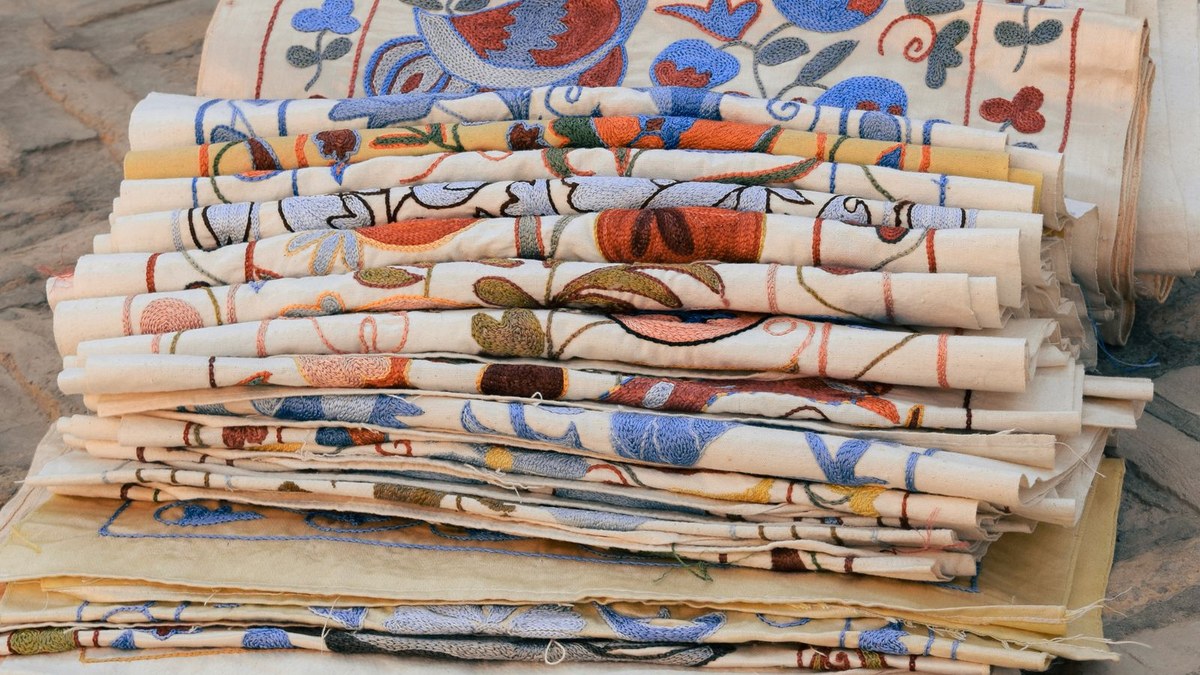
The opening brought together Oman’s Minister of Culture, Sports and Youth, Sayyid Saud bin Hilal Al Busaidi, and Uzbekistan’s Minister of Culture, Ozodbek Nazarbekov. ONA’s account describes a programme including handicrafts, workshops, children’s drawing and musical performances. The combination gave the event several ways to reach an audience: through looking at objects, watching artists and taking part in a creative activity. The reported programme ran on 12 and 13 November; it should not be advertised as still open on 14 November without a separate extension notice.
Uzbekistan’s national news agency reported that the opening gala included maqom, folk music, songs and dance. These programme descriptions establish the forms presented, but they do not provide an independent assessment of attendance or audience response. The news is the exchange itself and the participation of artists and institutions. Reporting it accurately means describing what was offered without inventing crowd numbers, visitor quotations or claims that every performance represented the entirety of a national tradition.
The ministerial discussions went beyond the stage
UzA’s account of the ministerial meeting says the two sides considered regular Culture Days, exchanges of artistic experience, educational cooperation and joint concerts. They also discussed developing a draft document to strengthen the contractual framework between the ministries. The wording is important: these were subjects of discussion and possible cooperation, not a list of fully contracted future performances. A later programme would need its own dates, venues and participating institutions.
The Uzbek embassy’s current news page separately records Nazarbekov’s 12 November visit to the Royal Opera House Muscat. Such institutional visits can give officials and practitioners a closer understanding of how potential partners work. Their value is different from the public concert, even when both belong to the same delegation programme. The public encounter introduces artistic forms; institutional discussions consider the practical arrangements through which further exchange could be organised.
Manuscripts provide a deeper connection
The cultural programme’s references to books and calligraphy sit within a documented relationship involving manuscripts and research. Oman’s Foreign Ministry reported on 31 August 2026 that a National Records and Archives Authority delegation visited institutions in Samarkand, Bukhara and Tashkent. The authority and the Abu Rayhan Al Biruni Institute of Oriental Studies agreed to activate existing cooperation in areas including preservation, catalogue studies and access to copies of manuscripts of shared interest.
This August record is background, not an additional agreement signed during this week’s Culture Days. It helps explain why the exchange can extend beyond performances into libraries and scholarly work. A manuscript partnership involves questions of documentation, interpretation and access that are different from staging a concert. Both can deepen cultural understanding, but they produce different kinds of outputs and should be followed through the institutions responsible for each.
A building and the work it makes possible
An Uzbek diplomatic account of the Al Biruni Institute’s new building records its opening in 2018 with Omani participation. It describes spaces for manuscripts, research and conservation, and links the building to an earlier bilateral agreement. This is a tangible example of the relationship’s institutional history. The new Muscat programme therefore arrives in a setting where cultural cooperation has already included infrastructure and specialist work, rather than beginning with this week’s ceremonial opening.
That distinction makes the story more useful for readers. A festival creates a concentrated public encounter, while a library or research partnership can sustain work between such events. Neither replaces the other. The question for future cooperation is how people, knowledge and opportunities move between those settings: whether an artistic contact becomes a planned exchange, whether institutional discussions lead to a defined activity, and whether the public receives enough information to understand the results.
What remains to follow after the two-day programme
The next confirmed announcements should make clear whether a proposed exchange concerns artists, students, educators or cultural administrators. Each group needs a different practical arrangement, and broad references to cooperation cannot establish eligibility or an application route. A publicly announced performance would likewise need its own booking information. Readers interested in future opportunities should rely on the relevant cultural institutions’ current notices rather than assuming that the ministerial discussions themselves open registration.
The programme also offers a useful way to think about cultural familiarity. Shared interests in calligraphy, manuscripts or music can create an entry point, while the particular form and history of an Uzbek work still deserve attention. An exchange becomes more informative when it allows both recognition and difference. Reducing everything to similarity would miss the distinctive techniques and traditions that make an international presentation worth hosting in the first place.
For Muscat, the Culture Days added a focused encounter with Uzbek creative practice to the city’s cultural life. For the two governments, the accompanying meetings provided a chance to consider what comes next. The public programme is now part of the record; the future commitments should be judged when specific projects and schedules are announced. Gabriel Nicolaev – CyGuru.
Gabriel Nicolaev – CyGuru
Sources & further reading
ONA via FANA: programme and dates
UzA: opening programme in Muscat
UzA: ministerial cultural-cooperation discussions
Uzbek embassy in Oman: official delegation updates
Oman Foreign Ministry: August manuscript cooperation
Uzbek diplomatic account: 2018 Al Biruni Institute building