UAE / Latest News
Sharjah Reopens Beaches After Oil-Spill Cleanup, With Monitoring Continuing
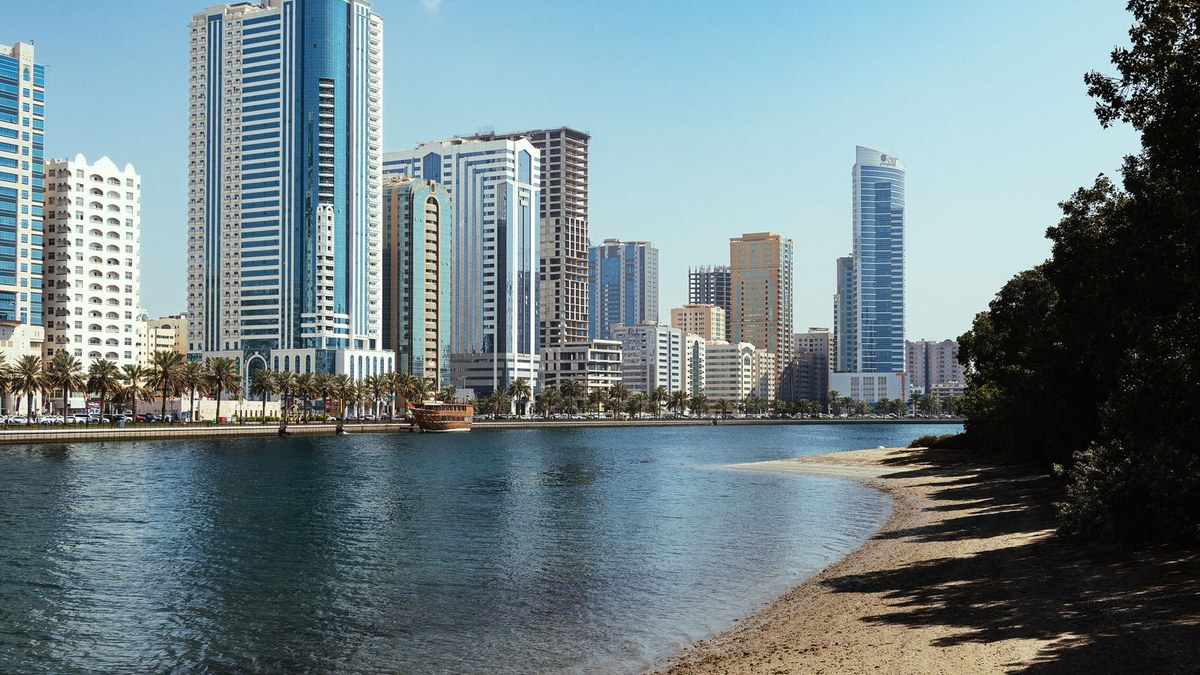
Sharjah’s Government Media Bureau announced on 12 November that beaches had reopened following containment and remediation of tanker-related marine pollution. The update restores public access while keeping environmental monitoring in place, a distinction that matters for residents planning a weekend visit.
What the official announcement confirms
The Sharjah Government Media Bureau said the reopening followed containment and remediation of marine pollution from an oil spill involving a tanker. In the official account carried by Sharjah24, relevant authorities confirmed public access and recreational marine activities could resume following environmental assessment and monitoring. This is a reopening announcement dated 12 November, not a new closure or a claim that the cleanup began on the day this report was published.
The same statement says round-the-clock monitoring will continue. Reopening and continuing surveillance are therefore parts of the same response, rather than contradictory messages. One concerns the decision to allow access after the assessment; the other concerns oversight after that decision. For readers, the important point is that an official assessment supports the reopening, while future information should still be obtained through the authorities’ current channels.
The closure developed in stages
Khaleej Times reports that Al Hamriyah Beach was closed as a precaution on 23 October, followed by an emirate-wide beach closure announced on 28 October. Those separate dates explain why accounts can describe different lengths of closure without necessarily referring to the same area. A report about the first precautionary closure should not be treated as the start date for every beach covered by the later announcement.
The wider spill affected more than one emirate, making geographic precision important. Reporting on Ras Al Khaimah’s reopening of seven beaches on 11 November is relevant regional context, but it is a separate local decision. Sharjah’s announcement does not automatically determine the status of a beach in another emirate. Residents crossing an administrative boundary for a day trip should check the authority responsible for the destination rather than generalise from a neighbouring coastline.
Environmental clearance and weather are different questions
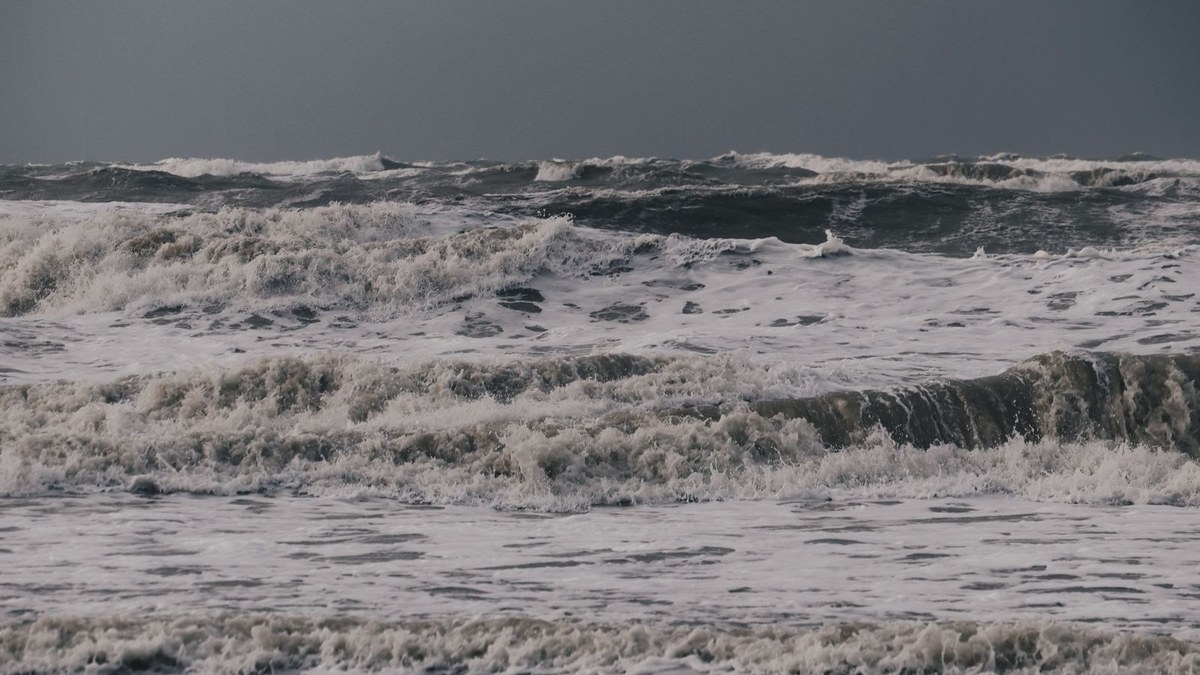
A beach can reopen after an environmental assessment while weather still affects whether swimming or boating is appropriate on a particular day. The reopening statement concerns the pollution response. A marine forecast concerns wind and sea conditions. Treating one as a substitute for the other would confuse two separate sources of information. Visitors should read the reopening update alongside current site instructions and the latest weather information for their intended activity.
This distinction is especially useful during the current November weekend, when the UAE’s marine forecasts continue to discuss rough conditions in parts of the Arabian Gulf. It is not a reason to reinterpret Sharjah’s official reopening as a closure. It simply means that the public-access decision and the conditions for a specific water activity need to be checked on their own terms. A walk on the shore and an offshore excursion are different plans.
Why official updates matter after a widely shared incident
The media bureau urged the public to rely on official information and avoid rumours. After a pollution incident, images and messages can continue circulating long after they were recorded. A photograph without a date and location may show an earlier stage of the response or a different stretch of coast. It should not be used alone to contradict a current official access notice or to declare an entire coastline unaffected.
A useful approach is to keep the source, place and publication date together whenever an update is shared. The 12 November announcement applies to Sharjah and follows the assessments described by its authorities. If a later notice changes arrangements, that later instruction becomes the relevant update. This is a way to keep community information accurate without asking residents to make their own technical assessment of marine contamination from appearances alone.
What a weekend visitor can confirm
Before travelling, visitors can identify the exact beach or facility they intend to use and check its operating information. Public access does not necessarily answer questions about a particular car park, concession, boat operator or scheduled activity. Those details belong to the relevant site or business. Confirming them is practical trip planning rather than evidence that the official reopening is incomplete or unreliable.
Families can also distinguish access from the conditions attached to a booked service. A provider may set its own meeting time or adjust an activity for operational reasons. The government announcement does not create a universal timetable for every commercial service along the coast. Keeping those decisions separate helps residents use the reopened spaces without assuming that every pre-closure arrangement has returned in exactly the same form.
The next phase is sustained oversight
The official emphasis on continued monitoring gives the reopening an ongoing dimension. The announcement does not publish every sampling result, method or threshold used in the assessment, so this report does not infer technical findings beyond the authorities’ stated conclusion. What it does establish is the sequence: a precautionary restriction, a containment and remediation response, an environmental assessment and a decision to restore access while oversight continues.
For residents, the immediate change is the return of access to coastal spaces that had been temporarily restricted. For the authorities, the task continues through surveillance and public communication. The reopening should be understood as a current, geographically defined decision supported by the reported assessment, not a permanent guarantee about every future condition. That is the most useful reading for planning a visit and recognising which later updates would matter.
Gabriel Nicolaev – CyGuru