
UAE / Latest News
AD Ports Reports AED975 Million Quarterly Profit as UAE Cargo Volumes Remain Under Pressure
AD Ports Group’s third-quarter revenue reached AED7.99 billion, while its UAE container throughput fell 57% year on year. The results show how shipping, logistics and international operations affected the consolidated quarter.
Group earnings and domestic throughput moved in different directions
AD Ports Group reported third-quarter net profit of AED975 million, 64% above the same period of 2025, according to results covered by Khaleej Times on 11 November. Group revenue rose 48% to AED7.99 billion for the three months ended 30 September. Earnings before interest, taxes, depreciation and amortisation, or EBITDA, increased 63% to AED1.97 billion. The group’s EBITDA margin was 24.6%, up from 22.3% a year earlier. The previous quarter’s company release put second-quarter net profit at AED836 million.
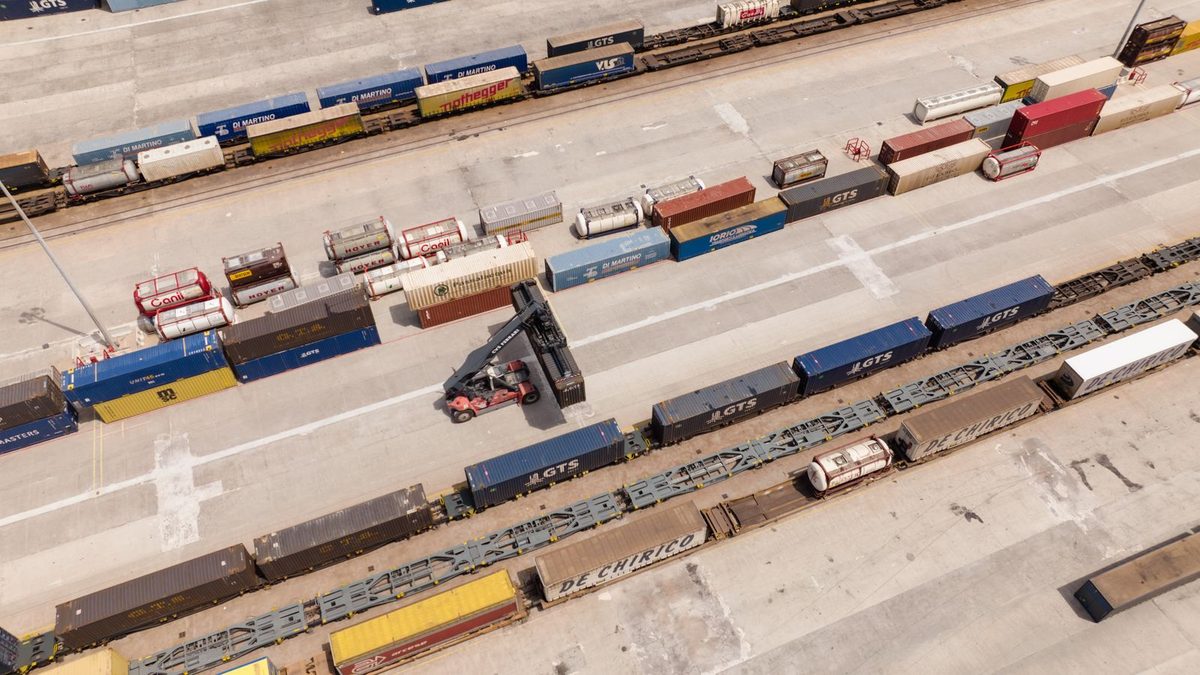
The domestic operating figures describe another part of the business. UAE container throughput was 751,000 twenty-foot equivalent units, 57% below the third quarter of 2025. Bulk and general cargo volumes in the UAE fell 54% year on year to 4.5 million tonnes. The earnings figures cover the consolidated group, while the volume figures measure specific flows through its domestic operations. Reading the measures together shows the scale of disruption in the UAE business and the contribution of activities beyond that domestic throughput.
The previous quarter gives the volume recovery a baseline
The third-quarter UAE volume figures improved compared with the second quarter of 2026. Container throughput rebounded by more than 30% and bulk and general cargo rose 48% from the preceding quarter, according to the published coverage. Both improvements start from the lower level seen during the disruption. Year-on-year comparisons still show the gap from the comparable period of 2025. For customers who rely on a regular service, that distinction matters because a recovery in flow can occur while the available routes and delivery schedules remain different from those used a year earlier.
AD Ports described developing alternative multimodal routes in its August second-quarter release. The November coverage identifies rerouting of cargo and feeder services towards Fujairah Terminals and Khor Fakkan Port, along with land and air links and extra warehousing. These arrangements put other parts of the network to work when usual shipping routes face disruption. A shipper can experience that through a change in the route, a transfer to road transport or a different storage requirement, depending on the cargo and booking.
Shipping and logistics supplied much of the earnings growth
Maritime and Shipping revenue rose 56% to AED4.74 billion, with EBITDA reaching AED1.23 billion. The reported drivers included added capacity and higher rates in feeder, tanker and roll-on, roll-off shipping. Logistics revenue reached AED1.96 billion, up 76%, while its EBITDA increased to AED116 million. The Ports cluster also recorded revenue growth, rising 12% to AED798 million. These figures give the reader more information about the sources of the group’s growth than a single consolidated profit figure can provide.
The figures also show the role of the group’s operating mix. A container diverted from one terminal may require extra transport or handling elsewhere, and a shipping business can grow as available vessel capacity and prices change. These effects can appear in different parts of an integrated group. The published segment measures describe business activity and should be read alongside the consolidated total, which accounts for the group as a whole. The quarter shows why port volume, shipping revenue and logistics earnings each deserve their own comparison.
Acquisition spending affects the cash picture
Khaleej Times reported AED2.94 billion of cash generated from operations and negative free cash flow to the firm of AED691 million. The article attributes the latter figure to funding the acquisition of Brazilian terminal operator Corredor Logística e Infraestrutura, known as CLI. It gives positive AED1.17 billion as the figure excluding that deal. The company had disclosed the CLI transaction in its August release. The three cash figures answer distinct questions about operating receipts, investment spending and a comparison that removes the transaction.
The reported group net profit of AED975 million also differs from the AED767 million attributable to owners of the company. The two measures relate to the same quarter and reflect different claims on group earnings. For anyone comparing the business over time, matching the profit definition and the period avoids giving the impression that one figure fell simply because it has a narrower scope. Similarly, comparing reported free cash flow with an acquisition-adjusted measure is meaningful when the transaction is stated clearly.
The next reports will show how the network settles
For customers, the operational questions are how much domestic volume returns, which alternative routes remain in use and whether delivery arrangements become more predictable. The quarter ended in September, so the numbers describe a completed reporting period. A customer planning a current shipment still needs the applicable carrier or terminal schedule. Quarter-on-quarter volume gains give context for how operations adjusted over the summer, while later data will show whether those gains persisted.
For the group, the combination of higher shipping and logistics earnings, weaker domestic volumes and acquisition-related cash spending defines the quarter. Further results can show how much of the revenue increase persists as routes and rates change, and how CLI contributes after its acquisition. The November report captures a period in which AD Ports earned more at group level while handling substantially less cargo in its UAE operations than a year before. Gabriel Nicolaev – CyGuru
Gabriel Nicolaev – CyGuru
Sources & further reading
Khaleej Times – third-quarter results, 11 November
AD Ports Group – second-quarter results and alternative trade routes