
UAE / Business
Masdar Marks Lockhart Completion With 365MW Solar and 173.7MW Battery Storage
Masdar highlighted the completion of California’s US$950 million Lockhart complex on 13 November, following Terra-Gen’s 10 November announcement. The project pairs solar generation with battery power rather than representing one undifferentiated generating capacity.
In this article 8 sections
A completed project, with two announcement dates
Terra-Gen celebrated commercial operation of Lockhart on 10 November. Masdar’s UAE announcement followed on 13 November. The distinction matters because the later coverage is a report on the same completion milestone, rather than a separate opening. Terra-Gen is jointly owned by Masdar and Igneo Infrastructure Partners, connecting the California development to Abu Dhabi’s international clean-energy investment strategy.
Solar output and battery power serve different roles
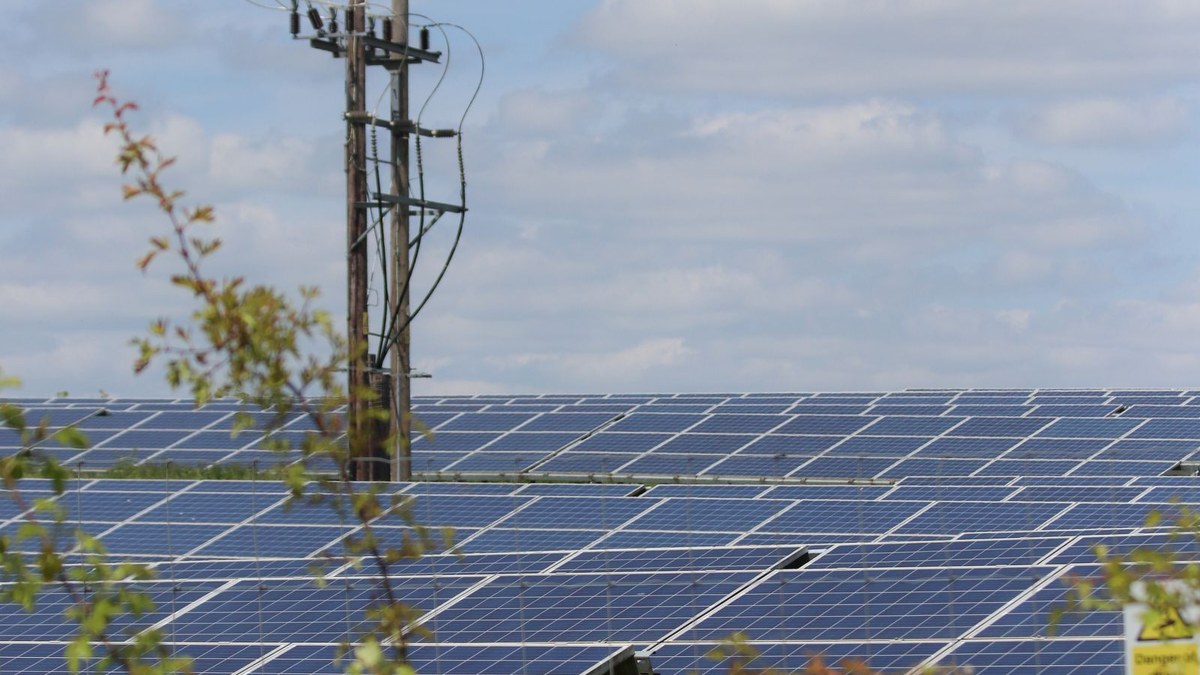
The complex includes 365MW of solar generation and 173.7MW of battery storage power. More than 925,000 solar modules and 248 battery enclosures form the installation. Solar panels generate electricity when sunlight is available; batteries store energy for later discharge. Adding the two power ratings produces the published 538.7MW headline figure, but it does not mean that all of that capacity independently generates electricity from sunlight.
Construction benefits and long-term contracts
Terra-Gen said construction supported more than 1,000 on-site jobs and approximately 880,000 working hours over four years. It expects more than US$40 million in property-tax revenue during the operating life. Those projected tax receipts are future benefits, whereas construction work is a completed activity. The plant’s commercial arrangements combine corporate offtake agreements and long-term power purchase agreements with California load-serving entities.
The storage detail that headline capacity cannot answer
A battery rating in megawatts describes power, not the duration of delivery. Establishing how long the system can discharge at a given rate requires its usable energy capacity and operating assumptions. The announcement should therefore not be converted into an unsupported number of backup hours. For UAE readers, Lockhart illustrates how international renewable investment increasingly combines physical generation, flexibility and contracted customers within one project.
Why pairing solar with storage changes the project
A solar facility and a battery solve related but different problems. The solar equipment converts a resource that varies through the day into electricity. Storage introduces an additional decision about when energy should be released. That creates potential flexibility for the operator and buyers, although the actual service depends on the contracts, available charge and operating limits. A large battery installation is therefore more informative than a headline saying that a solar project has simply become larger.
This distinction also changes how a reader interprets the estimate of electricity for about 350,000 homes and businesses. It is an annual-equivalent statement supplied by the developer, rather than a list of individual premises receiving power directly from Lockhart. It should not be turned into a claim that every one of those premises has dedicated backup capacity. The plant participates in a wider electricity system and sells through the commercial arrangements described by its owners.
From construction teams to operating infrastructure
The developer identified a supply chain extending beyond the owners. Cupertino Electric handled balance-of-plant engineering, procurement and construction; EPC Services handled high-voltage work; First Solar supplied modules; and Nextpower supplied tracking systems. These roles show that bringing a project into service requires integration across several specialised activities. Installing panels is one component, alongside electrical infrastructure, controls, storage equipment and connection to the system that will receive the output.
The reported job and working-hour figures relate to delivering that infrastructure. They should not be presented as the permanent operating workforce. Construction and operation have different staffing patterns, and the announcement does not state that all construction positions continue for the plant’s lifetime. Similarly, the projected property-tax contribution is a lifetime estimate rather than annual revenue. Keeping those units and timeframes visible gives the economic story more meaning than grouping every benefit into one large number.
The place of Lockhart in Masdar’s US strategy
Masdar says it has invested approximately US$3 billion in the United States and intends to invest another US$20 billion over the next decade. It describes an ambition to reach up to 25GW in its US portfolio by 2030. Those figures place Lockhart within a broader strategy, but the planned investment and portfolio target remain forward-looking. Completion of this project is a specific delivered milestone; completion of the entire strategy is a different claim that would require later evidence.
For Gulf readers following the international activity of UAE companies, the development offers a concrete example of how ownership, local development expertise and customer contracts come together. Future announcements can be assessed against the same questions: which capacity is actually operating, what type of equipment it represents, who buys the output and which economic benefits are already realised. That approach makes it possible to track progress without confusing an investment ambition with electricity already being delivered.
What the contracts do and do not disclose
The published description identifies categories of buyers but does not disclose every contract’s price or allocation of battery output. That limits the conclusions a reader can draw about project revenue and the hours supplied to a particular customer. A corporate offtake agreement is evidence of a commercial route, rather than proof that a named factory or data centre receives all its electricity from the facility. Those connections would require specific disclosure from the buyer or developer before they could be reported as established facts.
Gabriel Nicolaev – CyGuru