
Kuwait / Explore
Kuwait Advances Towers World Heritage Dossier After International Advisory Visit
Kuwait’s ministers reviewed the technical work behind the Kuwait Towers World Heritage nomination on 12 November. The meeting advances a dossier; UNESCO’s current country page still records no inscribed Kuwaiti properties.
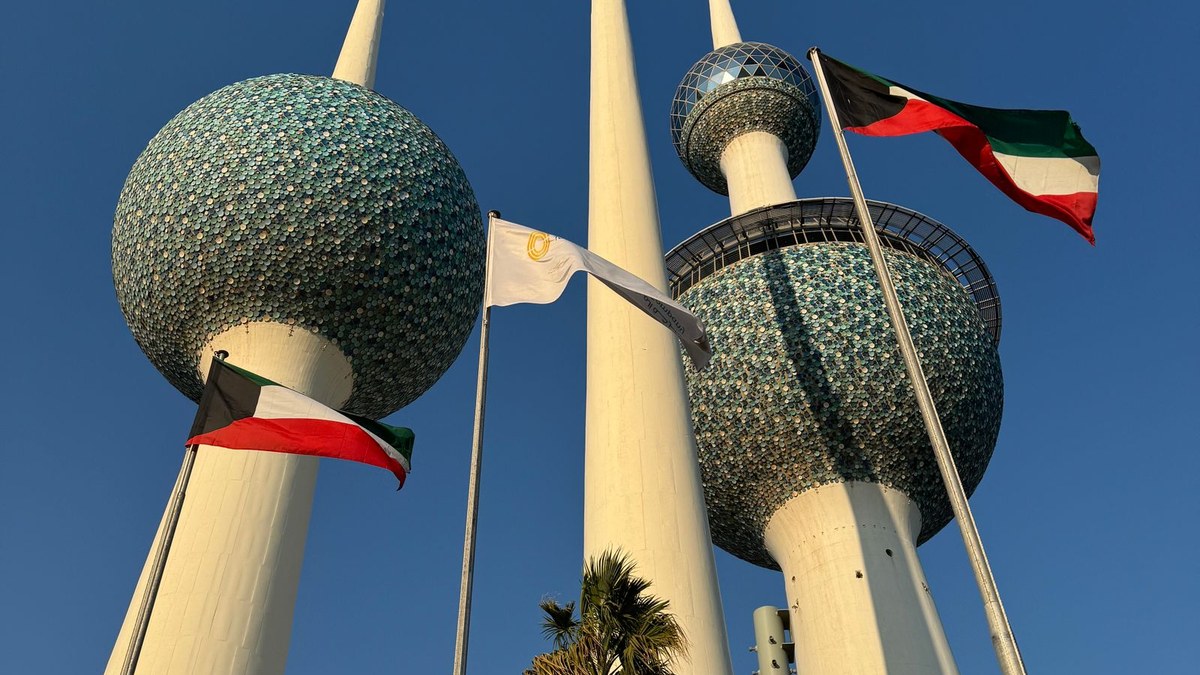
A technical step for a national landmark
A joint ministerial meeting on 12 November brought Kuwait’s education, culture and municipal portfolios together around the Kuwait Towers nomination dossier. The Education Ministry said an international advisory mission was in the country from 9 to 12 November. Discussions centred on technical documentation, international requirements and coordination between the public bodies responsible for taking the proposal forward. The announcement describes preparation and institutional work, rather than a decision by the World Heritage Committee to inscribe the site.
For readers, the distinction changes the meaning of the headline. A nomination campaign is an effort to demonstrate significance through evidence and to explain how that significance will be protected. A famous skyline image can help introduce the place, but it cannot perform the work of a conservation dossier. The immediate question is therefore whether the institutions can turn their shared ambition into a consistent account of the towers, their setting and the responsibilities attached to their long-term care.
The water story behind the skyline
The national description published on UNESCO’s Tentative List connects Abraj Al-Kuwait with a wider water-distribution network. It places the landmark within the infrastructure needed for Kuwait’s rapid urban growth and records the towers’ opening in February 1977. The entry was submitted in June 2014. This background makes the proposal more than a discussion of visual appearance: it links a recognizable building to the practical provision of water and the transformation of the surrounding city.
That relationship offers a useful way to understand modern heritage. Infrastructure is frequently assessed through capacity and reliability while architecture is discussed through shape and style. Here the two readings meet. A persuasive interpretation would show how an essential service acquired a public identity and how the structure became legible as a national landmark. Visitors can use that question to look beyond the photograph: what problem did the structure solve, and why did its designers give that solution such a visible presence?
Protection and development must fit together
The ministerial discussion also addressed the relationship between heritage protection and urban development. That is a practical issue for a prominent waterfront structure. Decisions about nearby construction, public access, servicing and maintenance can affect how a landmark is understood even when its silhouette remains unchanged. The announcement does not provide a new development restriction or a visitor rule. Its significance lies in the authorities acknowledging that a heritage case involves management choices as well as historical description.
From an analytical perspective, strong coordination should make it clear who gathers information, who approves interventions and who maintains records over time. Without that continuity, knowledge can become scattered between departments or tied to individual staff members. A well-organised dossier is therefore useful even before an international decision: it can create a common reference for future work. The public value comes from preserving evidence and accountability, not simply from completing a submission by an arbitrary deadline.
What UNESCO’s current listing actually shows
UNESCO’s Kuwait country page currently lists six properties on the Tentative List and no property on the World Heritage List. The tentative inventory includes different kinds of cultural and natural places, so it should not be read as a single completed application. The World Heritage Centre also explains that tentative-list descriptions are supplied under the responsibility of the relevant state. Their publication gives access to the proposal; it does not itself express approval of the claimed significance.
This helps prevent a common misunderstanding in heritage reporting. A visit by experts, a ministerial meeting and a publicly available nomination description can all be meaningful milestones without being the final outcome. Reporting each stage accurately protects the credibility of the eventual result. It also lets residents follow the work on its own terms: studies completed, documentation improved, responsibilities clarified and decisions published, rather than a recurring suggestion that international recognition has already been secured.
The next useful evidence
The next substantive updates would be details of completed technical studies, any formal submission milestone and the relevant international response. The 12 November announcement does not supply an inscription date, and readers should not infer one from the advisory visit. For people exploring Kuwait now, the towers can still be approached as an architectural and infrastructure landmark with a documented place in national development, irrespective of the progress of the UNESCO process.
A reader following the nomination can keep a simple chronology: the tentative-list entry, the advisory mission, the government’s technical work and any later formal decision. Each item answers a different question. Together they make progress visible without compressing years of preparation into the impression of a single announcement. That chronological discipline is particularly valuable for modern landmarks, where public familiarity can make people assume that international heritage status already exists. In the Kuwait Towers case, the official record allows both the landmark’s established national importance and the still-developing international application to be described accurately.
The strongest outcome of the current effort would connect recognition with durable stewardship. That means a landmark remaining understandable to the public while its historical evidence and physical fabric receive consistent care. The November meeting places those tasks on a shared government agenda. Whether it produces international inscription will depend on the formal process; whether it improves the quality of preservation can be assessed through the practical work that follows. Gabriel Nicolaev – CyGuru.
Gabriel Nicolaev – CyGuru