Bahrain / Latest News
Mara’ee 2026 Enters Final Weekend With Farming, Livestock and Heritage in Focus
Bahrain’s Mara’ee exhibition continues through 15 November, with fresh official-visit coverage drawing attention to farmers, breeders and agricultural innovation. The final weekend offers a public look at local production alongside animal displays and cultural activities.
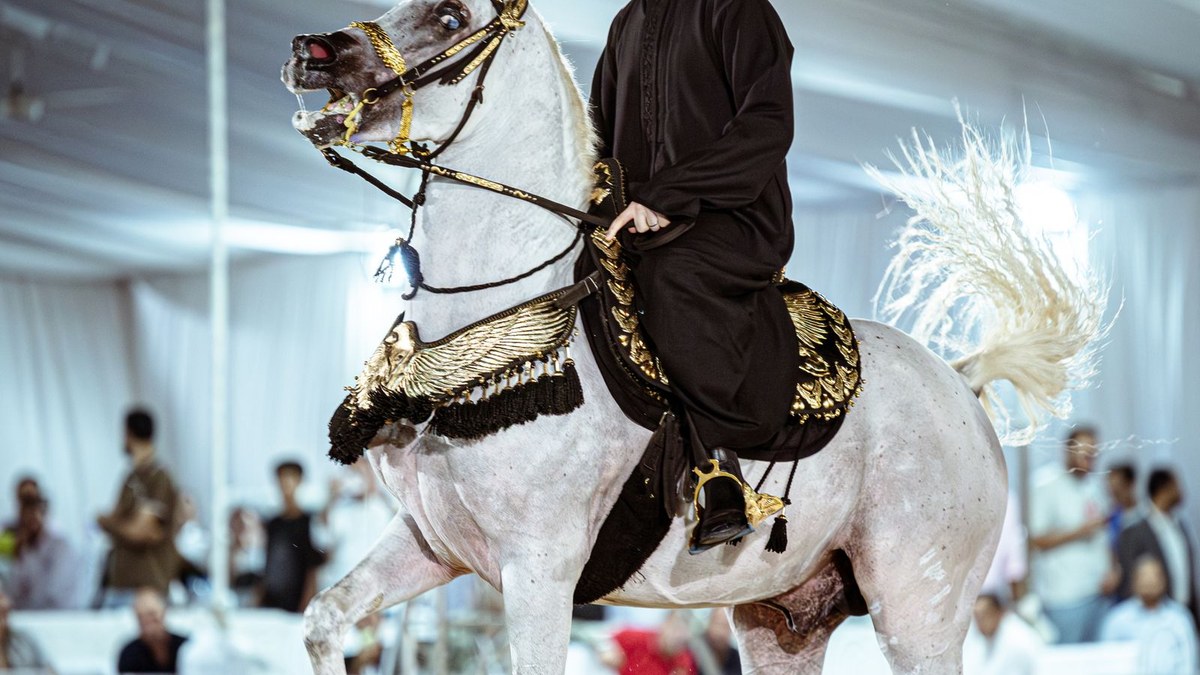
Mara’ee moves into its final weekend
Bahrain’s Mara’ee 2026 agricultural and livestock exhibition is entering the final weekend of its announced 11–15 November programme, bringing local production, animals, farming technology and cultural activities into a public event. Coverage on 12 and 13 November has focused on official visits and the exhibition’s role in connecting heritage with agricultural development. For residents looking for a weekend outing, it is also an opportunity to ask how the country’s farms and breeders work.
The Ministry of Municipalities Affairs and Agriculture’s launch announcement places the exhibition at Bahrain International Endurance Village in Zallaq. Some public tourism listings show a different venue, so visitors should check the organiser’s latest directions before travelling rather than rely on an older calendar entry. The announced final date is 15 November. This report does not assume that every individual show runs throughout each day or that a published general opening window is the timetable for a particular activity.
Fresh attention to production and local expertise
A report published by Al Ayam on 12 November describes Minister Wael bin Nasser Al Mubarak touring the exhibition and meeting farmers, breeders and participating businesses. It also reports recognition of two judges involved in a productive-cattle breed award. These details give the event a professional dimension: alongside the visitor programme are people comparing practices, presenting products and discussing production. The report does not establish a measured increase in national output as a result of the show.
News of Bahrain’s 13 November coverage records King Hamad bin Isa Al Khalifa receiving the minister and representatives connected with the exhibition, including participating cultural groups. The account emphasizes the relationship between heritage, local production and modern agricultural activity. Read together, the reports describe both an industry gathering and a public cultural event. They do not announce a new household subsidy, a farming grant application or a policy that visitors can automatically access by attending.
From animal displays to a better question
The published programme includes horses, camels, other livestock and birds, alongside agricultural exhibits and cultural activities. The variety makes it possible for a family to approach the show through something familiar and then investigate the work behind it. A child interested in a horse can ask about daily care; someone looking at a locally grown product can ask where it was produced and which stages took place in Bahrain.
These questions are more informative than treating every display as a finished lesson. A breed, a production method and a commercial product each tell a different story. Visitors can ask an exhibitor what is being demonstrated, who uses it and what conditions it requires. The answer may be a practical explanation rather than a dramatic claim. The value of meeting people directly is the chance to clarify those differences and to understand what the exhibit actually represents.
Keeping a few notes can help visitors remember the producer, product and explanation after a busy afternoon with several different exhibitors.
Technology belongs in the production context
The ministry’s preparation announcement also described an engineering and innovation conference scheduled for 11 and 12 November, organised with the Bahrain Society of Engineers. Its stated focus was sustainable food security and engineering approaches to agricultural and animal production. That conference was a separately dated part of the programme; visitors on the final weekend should not assume its sessions remain available simply because the exhibition continues.
The connection between technical discussion and public exhibits is useful. A demonstration can introduce an idea, while a professional discussion can examine where it works and what it costs to maintain. For anyone considering a farming-related purchase, the relevant questions include suitability, servicing, training and the evidence behind a claimed benefit. Those are practical comparison criteria rather than a judgment on a particular exhibitor. Seeing a technology at a fair is the beginning of an assessment, not a substitute for checking it in the intended operating conditions.
Plan a visit around interests and current information
A focused visit may be more rewarding than trying to see every display in one pass. Families can choose a small number of interests, allow time to speak with exhibitors and leave room for the cultural programme. If a particular animal show is the main reason for attending, checking its current schedule before departure is more useful than assuming it repeats continuously. The same applies to any activity that requires a separate queue or arrangement.
Visitors should follow staff instructions around animals and exhibition areas, and check the organiser’s current information for access, parking and services. The exhibition’s wider significance is that it brings production into public view: the people, decisions and everyday work behind products often encountered only at a shop. Its closing weekend offers a chance to make that connection directly. The announced programme ends on 15 November; any extension would require a new official notice. Gabriel Nicolaev – CyGuru.
Gabriel Nicolaev – CyGuru