
UAE / Travel
Louvre Abu Dhabi Through Three Objects: A Practical Guide to Looking More Closely
A rewarding museum visit can begin with a small ambition: leave able to describe three objects and explain why they interested you. At Louvre Abu Dhabi, where works from different cultures are placed in conversation, this approach turns a large collection into a manageable experience. Choose your own objects on the day and give each a different question.
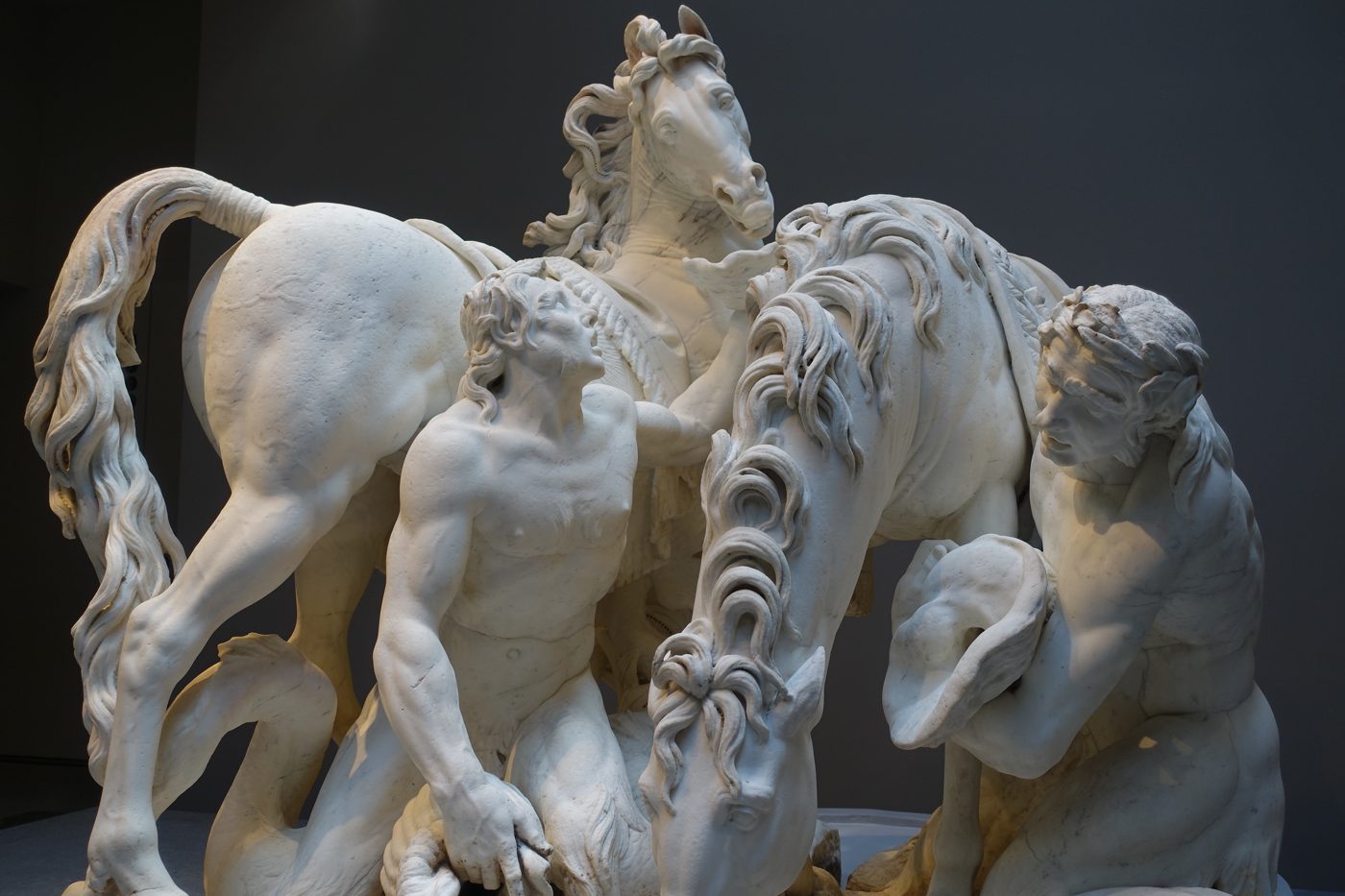
Give the visit a question before giving it a route
The museum describes a chronological journey with thematic comparisons across cultures. Use that structure as permission to notice relationships: similar gestures, materials or purposes in objects made far apart. Before entering, choose one everyday question that interests you. How do people display authority? How do they make useful things beautiful? How do they remember someone absent? A question gives you a reason to stop, and it works even when a particular work you hoped to see is unavailable.
Check the official visitor page for the arrangements applying to your date, then look at the map and identify where you can pause. The museum notes that galleries may temporarily close while artworks are installed. Build flexibility into your selection rather than a route dependent on one room. Set aside a first period for orientation, a middle period for your three objects and a final period for revisiting one favourite. These are personal planning blocks, not a prescribed museum tour.
First object: let the material do the talking
Choose something whose surface catches your attention: a vessel, sculpture, textile or small ornament. Spend a short interval looking before reading its label. Describe what you can actually see: glossy or matte, thick or delicate, regular or uneven, intact or repaired. Notice where light changes across the surface. Keep observation separate from explanation. “The rim is worn” is something you may be able to see; “this belonged to a poor household” requires evidence that appearance alone cannot supply.
Now read the material and date on the label. Return to the object and ask what the information changes. Does a surface you assumed was metal turn out to be glazed ceramic? Does a small detail look harder to make once you know the material? Record one corrected assumption. That small revision is often more memorable than copying a paragraph of background. Follow the museum’s instruction to keep hands off the artworks; texture is something to study visually here.
Second object: reconstruct its original audience
Find an object that seems to address someone: a portrait, ceremonial item, manuscript or image of authority. Ask who was expected to see it and from what distance. A tiny object held close invites a different relationship from a large image seen across a room. Look for scale, pose, repeated symbols and the direction of a figure’s gaze. Then use the interpretation to check your ideas. Treat an unanswered question as an invitation to investigate, rather than a gap you must fill with certainty.
Next, consider what changes when that object enters a museum. Something once used, worn, read or worshipped may now be presented behind glass beside works from elsewhere. The display makes comparison possible, but it also changes the setting in which you encounter it. Ask which part of its earlier life the label helps recover. You do not need a complete historical reconstruction. Identifying one lost context—a sound, a movement, a room or an audience—can deepen your attention.
Third object: compare without flattening differences
Choose a third work that echoes one of the first two. The connection might be a gesture, a shape, a use or a material. Begin with a precise similarity and then find an equally precise difference. Two figures holding children may share a visible action while belonging to different religious or social settings. Similarity opens the comparison; the interpretation helps establish what should remain distinct. Avoid turning a visual resemblance into a claim that two traditions mean exactly the same thing.
The Grand Vestibule provides a useful starting point for this habit: the museum explicitly introduces its broader narrative through objects from different cultures. You can carry the method into later rooms without needing to know every period in advance. Write a sentence beginning, “These objects both…, but…” and complete it with evidence from the works and their labels. If you cannot support the second half, look again or ask a museum educator. A careful comparison is more useful than a quick universal conclusion.
Make attention a shared activity
With a companion, take turns choosing the next stop. Give each person a quiet moment before discussing what they noticed; otherwise the first confident interpretation can dominate everyone’s experience. Ask “What makes you say that?” with curiosity. With children, offer a concrete task such as finding three different lines or choosing the detail they would draw first. Let their answer guide the next question. A short exchange about one work can be a complete museum experience in itself.
Use the museum app selectively. Its visitor guidance recommends downloading it and bringing headphones; decide whether you want context before looking or after your first observations. Constantly switching between screen, audio and object can make the visit feel fragmented. One useful rhythm is to look, listen to a relevant explanation and look again. If the group has different levels of interest, agree on a meeting point and a later conversation rather than requiring everyone to move at exactly the same speed.
Leave with something you can explain
Before leaving the galleries, return to the object that changed most in your understanding. Try to describe it without looking at the label: its material, one visible feature and one thing you learned about its context. Then check what you missed. This is a personal memory exercise, not a test of expertise. If photography is permitted for that work, a permitted reference image can support your notes; follow the signs and staff instructions applying to the particular display.
Finally, name one question you would bring to another museum. You might start noticing how objects travel, how rulers commission images or how materials shape design. That question extends the visit beyond a single building. Keep your three observations together in a short note, with the object names where available. The result is a record you can revisit and discuss, built from your own looking and the museum’s evidence, rather than an exhausting attempt to remember every room.
Gabriel Nicolaev – CyGuru