
Oman / Travel
Choosing a Khasab Dhow Cruise: Match the Boat Day to the People Travelling
The most useful question when choosing a Khasab dhow cruise is what your group wants to do between departure and return. Some travellers want long stretches of scenery; others care most about swimming, company or a short outing. Compare the actual boat, meeting point and activity plan before treating every Musandam cruise as the same experience.
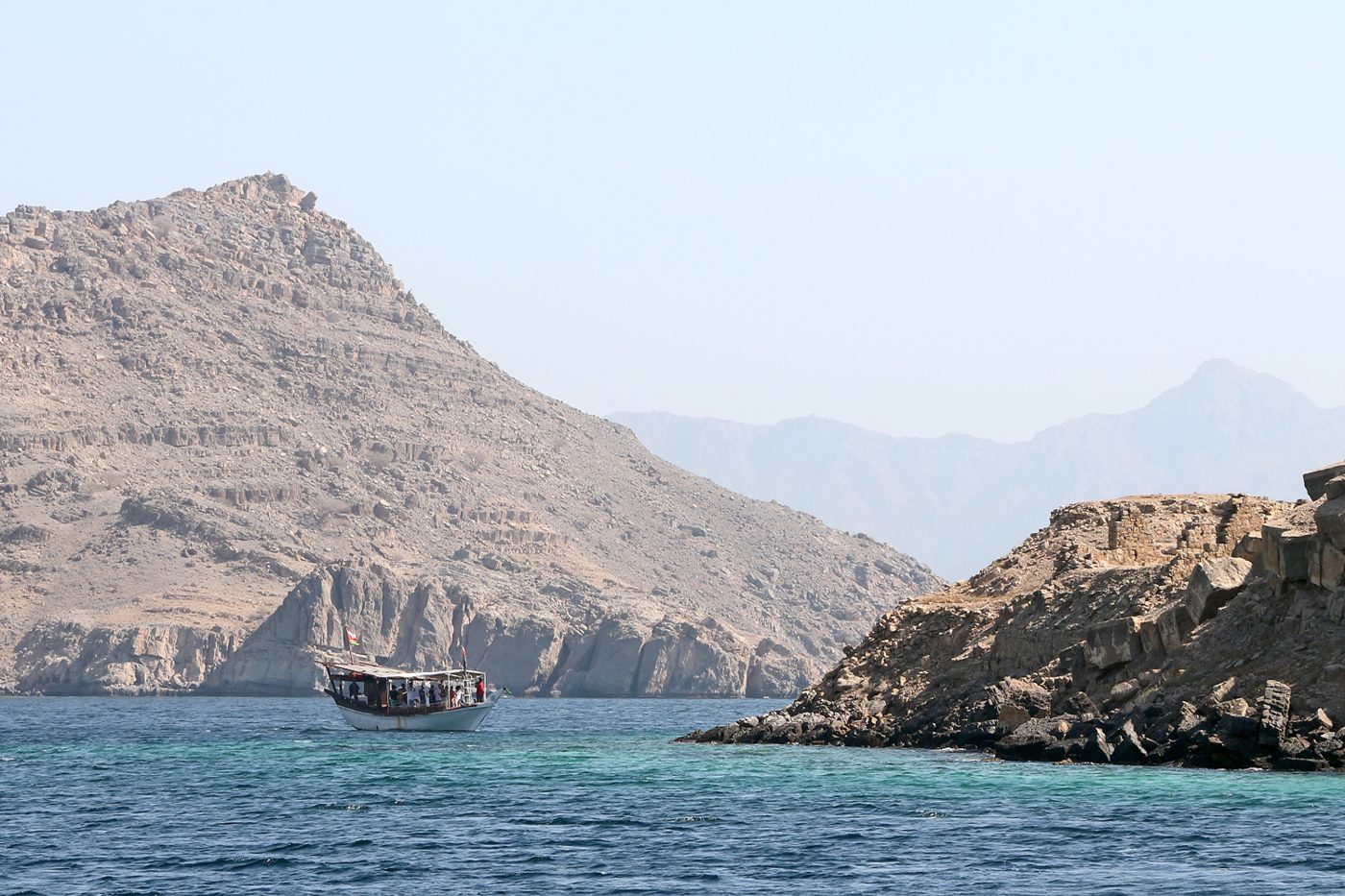
Start with the port, then compare the trip
Musandam is a governorate with several distinct places. Experience Oman identifies Khasab, Bukha, Dibba and Madha among its wilayats. A search result using the word Musandam therefore does not tell you where your boat departs. Ask for the exact meeting-point map, the name of the operating company and whether the advertised price begins at your hotel or at the harbour. This guide concerns choosing a cruise from Khasab; a package departing elsewhere should be assessed on its own route and logistics.
Write the day backwards from the time you need to be back. Include the cruise, disembarkation, transfer and a sensible buffer before any fixed onward commitment. Then work out when you would need to leave your accommodation. A shorter boat trip can still occupy most of a day once travel is included. If your journey crosses an international border, establish the applicable official requirements separately before committing to the excursion; a boat reservation is only one part of that journey.
Choose the time you want aboard
Half-day and full-day are marketing categories, so ask for the actual time aboard and how it is divided. Compare cruising, anchoring, swimming and meal breaks. A full day may suit people who enjoy sitting with the landscape and have no urge to fill every interval. A shorter excursion may suit a group that wants a first experience of the coast without a long commitment. More hours are valuable only if the group enjoys the way those hours will be spent.
Before comparing offers, let each person name one priority and one constraint. One might want a swim but dislike a long road transfer; another might want photographs but need supportive seating. For a family, the constraint could be a child’s tolerance for waiting rather than the number of advertised attractions. Choose around the hardest constraint first. This produces a more usable shortlist than counting how many islands or activities appear in the description, especially when the group’s preferences differ substantially.
Inspect the practical details of the boat
Ask for recent photographs of the vessel likely to operate your trip, including its boarding point, seating, shaded area and toilet. A scenic photograph taken from another boat will not answer those questions. Operator descriptions can list cushions, carpets or basic facilities, but those words do not establish whether a particular passenger will be comfortable. Someone who finds low seating difficult should ask about alternatives. Describe the actual need rather than relying on a general label such as family-friendly or accessible.
For anyone needing assistance, ask about the complete sequence: reaching the vessel, stepping aboard, moving between areas and using the toilet. Request specific answers or photographs when a description is unclear. The same applies to children: confirm suitable equipment and explain their ages to the operator. This is a way of matching an activity to the people taking it. It is more effective than arriving at the harbour and hoping that a general promise of comfort covers every detail.
Treat swimming as a separate choice
A listed swim stop does not oblige everyone to enter the water. Agree in advance who wants to swim, who prefers to remain aboard and how children will be supervised. Ask the operator how passengers enter and leave the water, what equipment is supplied and what support is available. The practical question is not simply whether snorkelling appears in the itinerary, but whether the arrangements suit the people who intend to take part. Follow the crew’s instructions and decisions on the day.
Check towels, changing arrangements and where wet belongings can be kept. Bring a compact bag that separates dry clothing from swimming items, and keep personal electronics protected from spray. Ask about drinking water and food rather than assuming a half-day and full-day package have identical inclusions. Operator pages provide useful examples of refreshments and equipment, but your booking should state what applies to your departure. If a dietary requirement matters, obtain an answer about the actual meal before choosing the trip.
Decide what shared or private means for your group
A shared excursion can suit travellers who enjoy company and are content with an established programme. A private booking may be worth considering when the group needs a particular pace or wants to spend more time together. Ask what is genuinely adjustable before paying for exclusivity. A private vessel does not automatically mean every route, stop or return time can be changed. Put any agreed variation in the booking so the person selling the trip and the crew have the same expectations.
Wildlife is another place to keep expectations realistic. One Khasab operator explicitly notes that dolphins are wild and may not be seen. Choose a trip you would still enjoy for the coastline, time aboard and company if no dolphin appears. Ask how the crew approaches wildlife, and avoid making a close encounter the measure of success. The same principle applies to a swim stop: weather or operating conditions may change the day, so understand the operator’s change and cancellation terms before paying.
Make the final comparison on one page
For your final two options, write down the meeting point, total time away, expected time aboard, seating, swim arrangements, food, transfers and cancellation conditions. Mark anything unanswered. Compare the total amount the group will pay for those same elements, rather than comparing two headline prices with different inclusions. The best choice is the offer that answers your group’s important questions clearly. A slightly shorter or simpler programme can be the stronger purchase when it fits the people and the day.
Keep the confirmation and the operator’s contact details available offline, and agree on the return plan before boarding. Once the practical decisions are settled, allow the outing to become less structured: watch the changing relationship between water and mountains, talk, or simply sit. You do not need to turn every stretch of the cruise into an activity. A well-chosen Khasab boat day leaves room for that quiet because the essentials—where you go, how you board and what is included—have already been understood.
Gabriel Nicolaev – CyGuru