
Kuwait / Business
Kuwait Petroleum and PSO Expand Energy Agenda With Pakistan Storage Plan
Kuwait Petroleum Corporation and Pakistan State Oil renewed their fuel-supply partnership and outlined a broader storage and investment agenda on 12 November. Some cooperation is agreed, while product expansion and investments remain under exploration.
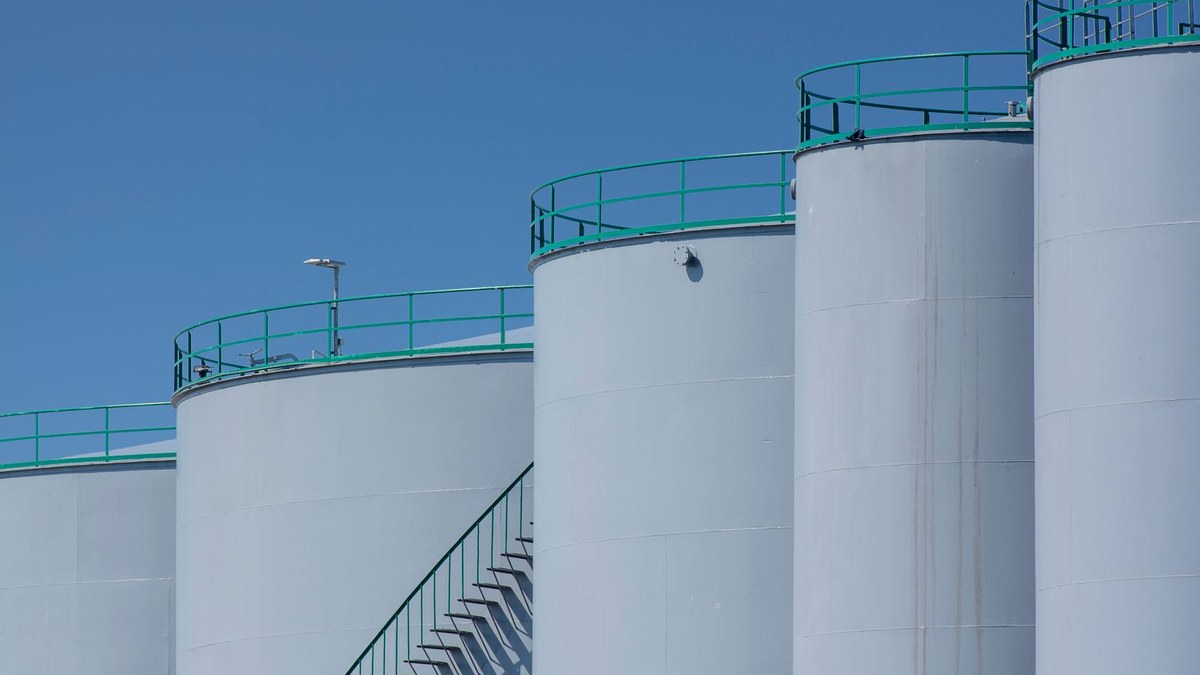
A longstanding supply relationship broadens
Pakistan State Oil announced on 12 November that it and Kuwait Petroleum Corporation had reaffirmed a partnership spanning five decades and agreed to broaden cooperation. The companies will continue their gasoil and jet-fuel supply arrangements while exploring additional products and investment opportunities. The announcement followed meetings between a PSO delegation and KPC leadership in Kuwait. It presents a commercial agenda covering several parts of the energy chain, with different levels of commitment attached to the individual proposals.
The most useful reading separates continuity from expansion. Renewing an established supply route supports an existing relationship; adding storage, products or capital commitments would change its operating scope. The statement contains both types of discussion. It should therefore not be treated as a single completed investment deal with one price, capacity or opening date. Readers interested in Kuwait’s overseas energy business need to follow each component from announcement to the documentation and physical operations that would give it commercial effect.
Pakistan storage and ports enter the plan
PSO said KPC would use storage and port facilities in Pakistan under the country’s revised customs-bonded storage framework, serving domestic sales and regional re-exports. It also stated that remaining procedures and documentation were expected to be completed by the relevant Pakistani institutions. The wording identifies an intended operating route, while acknowledging implementation work still to be done. It does not establish that stocks have already arrived at a named facility or that a new terminal has begun operations.
Arab News reported that the announcement did not identify the ports or storage sites, the volumes involved or the date operations would start. These omissions define the next information investors and market observers should look for. A storage arrangement becomes easier to evaluate when the location, usable capacity, product specifications and commercial responsibilities are clear. Until then, the news is about the direction of cooperation and a proposed logistics model, rather than a measurable increase in fuel available to a particular market.
Products and investments remain separate workstreams
The companies also discussed a wider product basket, including possible motor-gasoline and petrochemical supplies, together with base oils and lubricants cooperation. Business Recorder’s account places these discussions alongside the continuation of diesel and jet-fuel supply. The difference in language is important: continuing a supply arrangement is not the same as agreeing final volumes for every additional product mentioned. Likewise, discussing opportunities across refining, storage, shipping or gas does not establish that any particular investment has reached a final decision.
For a commercial reader, each workstream raises a different set of questions. Product expansion depends on demand, specifications and delivery terms. A storage arrangement depends on access, handling and the timing of releases. An investment requires a defined project and a way of allocating capital and risk. Grouping all of these under the word partnership is convenient, but a detailed assessment needs to preserve their differences. The next announcements will be more informative if they specify which part of the agenda has advanced.
Why logistics can change a supply relationship
As a matter of commercial analysis, storage can create a buffer between the timing of a shipment and the timing of a customer’s demand. That can make a supply relationship more flexible, but it also creates costs and operating obligations. Tanks, handling, inventory finance and product management all matter. The value of the proposed model cannot be calculated from the existence of storage alone; it depends on how often capacity is used and on the terms under which products move into and out of it.
A regional re-export ambition adds another layer. It requires the commercial opportunity in a destination market to fit the costs and timing of moving through the intermediate location. That is why the absence of named markets, volumes and operating dates should be treated as an information gap rather than filled with optimistic assumptions. The announcement opens a route for further cooperation. It does not yet provide the evidence needed to rank the arrangement’s profitability or predict its effect on regional fuel prices.
The next test is implementation
Useful follow-up evidence would include completed documentation, identified facilities, initial product movements and any separately announced investment approvals. These milestones would allow observers to distinguish a relationship-building announcement from an operating expansion. They would also clarify which benefits belong to supply continuity and which arise from new infrastructure or trading arrangements. The companies’ long relationship provides context, but the future operating model still has to be assessed through its own contracts, logistics and reported activity.
A broader agenda with clear limits
The distinction between an agreed direction and an operating fact is especially important when several institutions must complete documentation. A later update identifying those steps would make the project easier to track. Until that evidence appears, the prudent interpretation is a substantive expansion of the agenda with implementation details still outstanding.
For Kuwait, the announcement shows KPC pursuing a wider role in an established overseas relationship, extending the conversation beyond regular fuel cargoes. For Pakistan, it places storage and port infrastructure within a supply and distribution proposal. The confirmed news is the renewed supply partnership and the stated cooperation agenda. Capacity, timing and investment commitments should remain open questions until disclosed. Reading the agreement at that level gives the development substance without turning exploratory discussions into completed projects. Gabriel Nicolaev – CyGuru.
Gabriel Nicolaev – CyGuru