
UAE / Latest News
Dubai Approves AED2 Billion Metro Extension to Al Maktoum Airport City
The three-kilometre Route 2020 extension will add two stations and connect to the airport’s West Terminal. Dubai’s Executive Council approved the project on 10 November, with passenger service scheduled for 2031.
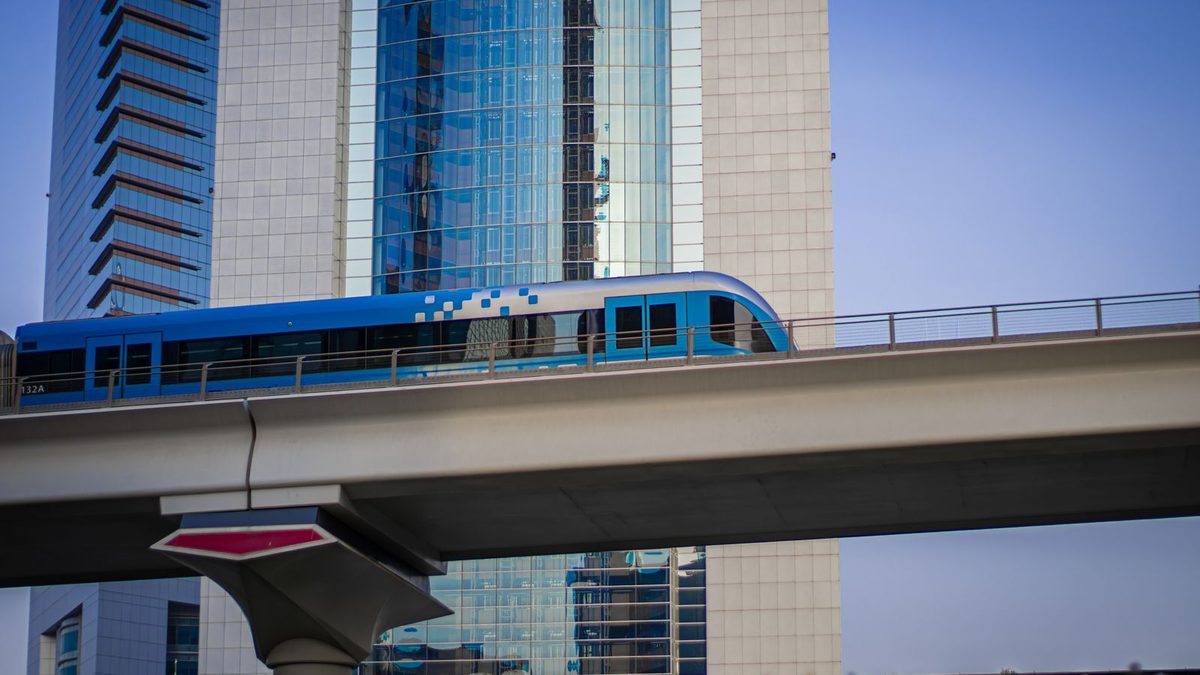
The approval establishes a rail connection to the airport district
Dubai’s Executive Council approved AED2 billion for the extension of Dubai Metro’s Route 2020 to Al Maktoum International Airport City at its 10 November meeting. The announced route covers three kilometres and adds two stations. The Roads and Transport Authority and Dubai Engineering Projects Establishment will collaborate on the project, with services scheduled to begin in 2031. The approval gives the airport district a defined connection to the existing Metro network and sets out the budget and intended passenger-service year.
The Metro approval was part of a wider Executive Council meeting during the UAE Annual Government Meetings. The same announcement included AED9.59 billion for a community services and facilities plan running through 2040, alongside separate real estate and investment decisions. The AED2 billion figure belongs to the Metro extension. The project’s immediate significance is a decision about the future transport network, while the services available to passengers today remain governed by the current Metro and airport transport timetables.
The West Terminal puts the interchange in focus
The official announcement identifies the West Terminal of Al Maktoum International Airport as the connection point. It also envisages links with the airport express line and Etihad Rail’s high-speed network. The three modes serve different journey patterns. A Metro passenger may arrive from another part of Dubai, an express passenger may prioritise a direct airport trip, and a regional rail passenger may enter the district from farther away. Their ability to transfer at the terminal will shape the value of the connection.
The interchange therefore deserves as much attention as the length of track. A station can put two networks close on a map while passengers still have to find a lift, cross a concourse or navigate separate information systems. Details about accessible routes, station entrances and onward directions will matter once the design advances. The Council announcement establishes the planned connections. It gives future passengers a destination to look for in published maps as the transport and airport projects develop.
Staff travel gives the route a daily purpose
The project is intended to serve airport employees as well as passengers and visitors. That matters because employees make repeated journeys, including at hours that may differ from the main peaks for air travellers. A service that connects their homes with the workplace can affect who can reach a shift without relying on a car. The practical measure will be the fit between the timetable, transfers and staff entry points, particularly when a journey begins or ends outside conventional office hours.
Airport travellers face a different set of constraints. A passenger carrying luggage may value a predictable route with manageable walking distances and clear signs between platforms and terminal facilities. Groups with children or passengers requiring assistance may need more time and a different path through the same station. Those are factors that influence airport rail use generally. Journey times and access arrangements for the extension will become clearer when the operators publish station and service information.
A short extension has several points of dependency
Building three kilometres of railway requires more than the construction of a track and platforms. The new section has to operate with the existing route, and its station interfaces have to fit the airport’s construction and commissioning programme. Staff and passenger areas need paths suited to each group. Systems for signalling, power, information and safe operation must work together before service begins. The announced collaboration between RTA and the engineering establishment gives the public two named institutions responsible for advancing that work.
Airport City is a destination in development, so the usefulness of the line will also depend on what is open around the stations when it enters service. Passenger demand, road access and the district’s activity can evolve during construction. The 2031 date provides a common planning horizon for these questions. Future design and construction updates will show which steps have been completed and how the Metro opening relates to the readiness of the West Terminal and other rail projects.
The next details will define the passenger journey
The Council announcement sets the route length, number of stations, budget, airport connection and intended opening year. A detailed station map would clarify where people enter the system and which areas can be reached on foot. A later service plan would explain whether trains run through from the current route, how often they operate and what transfers passengers need. Each detail answers a different question about a trip that starts well before the airport platform.
The extension also gives transport planners a way to consider airport journeys alongside the district’s daily activity. Its benefit will be measured through the trips that people can actually complete, including repeated journeys by airport workers and occasional journeys with baggage. Dubai has approved the investment and named the West Terminal connection. Station plans, construction progress and the operating timetable will progressively turn that decision into a journey people can assess. Gabriel Nicolaev – CyGuru
Gabriel Nicolaev – CyGuru
Sources & further reading
WAM – Executive Council approval, 10 November
Gulf Business – airport Metro extension and service schedule