
Qatar / Living
Hamad General Opens Oxygen Assessment Clinic With Referral and Follow-Up at Its Core
Hamad General Hospital’s Pulmonary Medicine Section has opened an Oxygen Assessment Clinic, according to a 10 November announcement. The service evaluates clinical need and reviews patients discharged on home oxygen, with referrals received from Internal Medicine and subspecialty services across Hamad Medical Corporation.
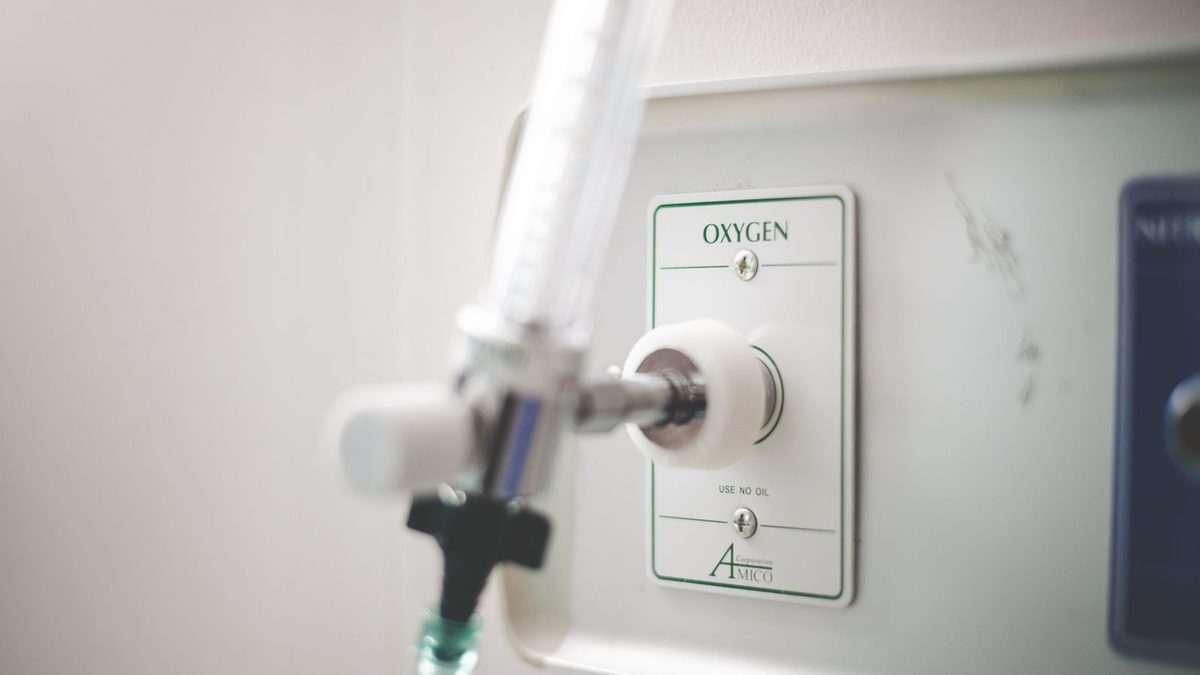
A defined assessment service
The new clinic is intended to evaluate patients with persistently low blood oxygen and determine whether oxygen therapy is appropriate for their individual condition. The announcement also identifies people already using home oxygen after hospital discharge as a group requiring review. These are related but different clinical questions: whether to begin treatment and whether an earlier treatment decision remains appropriate. The service brings those questions into a structured assessment pathway rather than treating the presence of equipment at home as the end of the clinical process.
The 10 November reporting confirms that the clinic has opened, while it does not separately identify an inauguration date or publish the clinic’s weekly appointment timetable. For patients and families, the useful news is the service’s purpose and referral route. The account says referrals come from Internal Medicine departments and subspecialty services across HMC. It should therefore be read as a specialist pathway within the healthcare system, rather than an invitation to arrive without a referral or an announcement of unrestricted walk-in access.
The decision belongs to the clinical assessment
Dr Mona Mohammed, a consultant pulmonologist at Hamad General, emphasised that having a respiratory disease or experiencing breathlessness does not automatically establish a need for oxygen therapy. The distinction is central to the announcement. A diagnosis, a symptom and a treatment decision are connected pieces of information, but they are not substitutes for one another. The clinic’s role is to assess the person using clinical findings, rather than allow a general description of a disease to stand in for an individual treatment plan.
That makes the service useful to caregivers as well as patients. Families may see the same symptom described in several people and assume the same treatment should follow. The announcement instead points to assessment and regular follow-up. The practical conversation with the treating team is about what has been established for this patient, what the current plan requires and when review is due. This article describes the new service and does not supply a blood-oxygen threshold or a prescription that readers can apply independently.
Several observations inform one plan
Clinic lead Dr Ibrahim Abdul Rasheed described reviewing medical history, symptoms and medication, alongside tests that assess oxygen at rest and during activity. The reported assessment can include arterial blood-gas testing, a six-minute walk test and sleep-related monitoring where necessary. The important point for readers is that the team considers more than a single isolated reading. The choice of tests and the interpretation of their results belong to the clinical team and the patient’s circumstances, rather than a fixed checklist every visitor should demand.
The announcement says findings help determine an appropriate delivery device and flow rate for home use or physical activity. Those details turn an assessment into an individual plan. For a family attending an appointment, it is useful to ask the team to explain the written instructions and how they relate to ordinary routines. That is a communication step, not a suggestion to adjust equipment according to this article. The service’s value depends partly on making the clinical decision understandable to the people who will help carry it out.
Discharge is a transition, not the final review
The clinic includes patients discharged on home oxygen because needs may change during recovery or as a condition develops. A discharge plan describes what is required at a particular stage; follow-up asks whether that plan still fits. This is the clinical logic stated in the announcement, and it gives families a clearer reason to keep review appointments. Continuing care is an active process. The fact that treatment has already begun does not remove the need for clinicians to assess its current appropriateness.
For caregivers, the organisational task is to know which team is responsible for the review and how to raise questions about the existing plan. The announcement does not publish an individual appointment route for every patient or a promised waiting time. A person already under HMC care can ask their treating service about whether this assessment pathway applies to them. That keeps the next step connected to their medical record and current clinical team, rather than assuming that a general news report establishes eligibility for a particular appointment.
Equipment guidance is part of the service
The clinic’s reported work includes guidance for patients and caregivers on safe equipment use and on clinical review when therapy may need to change. This is more than handing over a device. A treatment plan must be translated into actions that the household understands. If instructions are unclear, the useful response is to ask the clinical team for clarification and demonstration relevant to the prescribed equipment. The announcement establishes that education is part of the pathway, while the exact instructions remain specific to the patient and device.
A family can make that conversation more effective by identifying who will assist with the routine and ensuring that person hears the explanation. Questions about use at home, during activity or around a planned journey should be directed to the treating team. The point is continuity between the clinic’s decision and daily life. No travel clearance, equipment setting or permission to stop treatment can be inferred from this article. Those are individual clinical matters, and the new service is designed to provide the assessment on which such decisions depend.
What the opening adds to respiratory care
The immediate development is a specialist assessment and monitoring pathway at Hamad General Hospital. Its practical importance lies in connecting need, testing, an individual plan and later review. The announcement does not report an outcome study or establish how many people the new clinic will see. Those would be useful later measures, alongside the clarity of referral and follow-up arrangements. For now, the service gives patients and clinicians a defined setting for a decision that should remain tied to current medical evidence.
For Qatar residents receiving respiratory care, the useful next step is to discuss the service with the team already responsible for their treatment when relevant. The message of the 10 November announcement is precise: oxygen needs require assessment, and an existing home-oxygen plan may require reassessment. The new clinic provides a structured route for that work through HMC referrals, with patient and caregiver understanding included in the service rather than left outside it.
Gabriel Nicolaev – CyGuru
Gabriel Nicolaev – CyGuru
Sources & further reading
QNA: clinic scope, tests and referral pathway
The Peninsula: HMC specialists explain the service