
Oman / Explore
Muscat’s military music gathering brings Omani, Slovak and Armenian traditions into a shared outdoor programme
The Royal Opera House Muscat’s outdoor Maidan has become the setting for Oman and the World, a three-day programme scheduled for 5–7 November. A 6 November account describes Omani military and police ensembles alongside visiting performers from Slovakia and Armenia. The attraction is a cultural encounter built through sound, movement and coordinated formations, with several distinct traditions appearing within the same public performance setting.
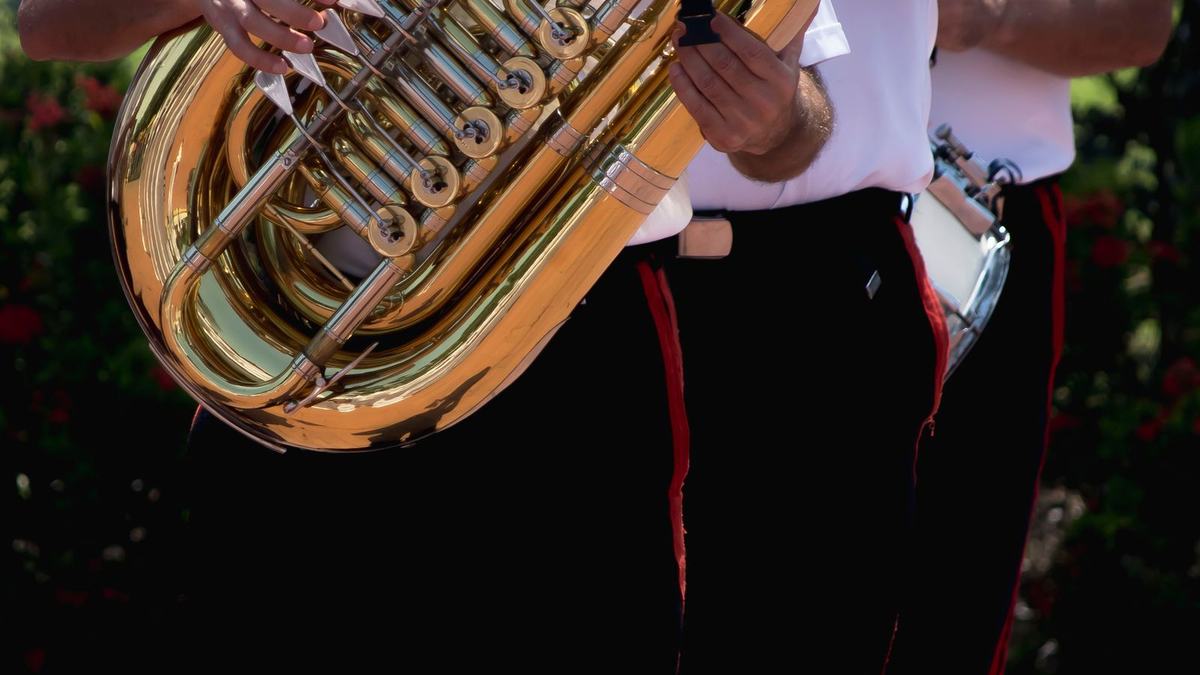
A programme performed through movement as well as music
Oman Observer’s report identifies formations from the Royal Guard, Royal Army, Royal Air Force, Royal Navy and Royal Oman Police, with cavalry, camel corps, scouts and drill performers also involved. Its account describes ceremonial entrances, massed drumming, brass and pipe-band music. The breadth of participation gives the gathering a visual structure as well as a musical one: a change in formation can be part of the audience’s experience of the piece.
For a visitor familiar mainly with an indoor concert, the useful difference is the relationship between sound and space. Attention can move from an individual performer to the geometry of a larger group. Watch how an entrance establishes a section, how players maintain alignment and how a musical change is accompanied by movement. These are ways of looking at the reported format, rather than a claim about a particular sequence in every performance.
The setting also gives audiences more than one scale at which to follow the event. A close musical detail and the effect of an entire ensemble are different experiences. Someone unfamiliar with military-band repertoire can begin with the contrast between percussion, brass and pipes, then notice what happens when those sections act together. No specialist vocabulary is needed to describe a change in weight, pace or the direction of attention.
Two visiting traditions within the shared setting
The Slovak participation pairs the Ministry of Interior Band with the Kľak Folk Dance Group. The Armenian presentation combines the Police Guard’s brass band and Sardarapat dancers. The report places folk dance alongside ceremonial music, showing how the programme extends beyond a succession of band pieces. These are named participating ensembles, while the complete running order and any changes should be taken from the organiser’s current performance information.
A useful comparison is how each group handles the relationship between disciplined form and individual expression. Some moments may draw attention to the coordinated whole, while others allow a player, dancer or smaller section to stand out. The purpose of comparing is to notice the specific performance in front of the audience. It need not become a broad judgment about one country’s entire musical culture based on a single visiting programme.
The shared outdoor setting makes that comparison immediate. Different ensembles work within a common place, while their instruments, movement and presentation provide points of distinction. For a mixed group of visitors, it can be useful to choose one aspect to follow: the way a rhythm is passed, the arrival of a dance group or the coordination of a large formation. Comparing observations afterwards gives the visit a more specific memory.
Keep the dates and source chronology clear
The advance listing carried by The Media Line and displayed through Perspectify dated the programme to 5–7 November, with a 7pm start. Oman Observer’s new account was published late on 6 November. The earlier listing supplies planning background; the later report supplies the description of the participating performances. Neither should be used alone to assert live seat availability for the final scheduled date on 7 November.
Anyone considering attending should check the Royal Opera House’s current booking information directly for the actual date, access arrangements and ticket terms. An outdoor Maidan performance is a specific booking, not an assumption that a general visit to the opera house includes the show. If travelling with children or someone with access requirements, confirm the relevant arrangements before setting out rather than relying on a cultural preview to answer those practical questions.
A way to read Muscat’s cultural programme
For visitors exploring Muscat, the gathering offers one particular view of how performance can occupy a civic and cultural setting. It combines the precision of an organised display with the experience of listening together outdoors. That makes it useful to consider alongside the city’s other cultural spaces rather than as a substitute for them. MyGCCNews’ Muscat and Nizwa guide below provides a wider framework for reading place through its institutions and everyday life.
The fresh account gives this annual gathering a specific November context through its Omani, Slovak and Armenian participants. Its cultural interest lies in the details of a shared performance: who enters, how a group moves and how different musical sections become a single public event. Whether attending the final scheduled evening or following the published account, those details provide a firmer understanding than the broad label of a military music festival alone.
An audience can also follow how a shared conclusion changes the meaning of the separate sections. When groups previously heard on their own assemble together, listen for what remains recognisable and what becomes part of a larger sound. The Observer account describes a massed finale, giving this a specific point of attention in the reported programme. The interest is in coordination across participants: the gathering asks different ensembles to occupy the same musical moment, making collaboration visible as well as audible to those watching.
Gabriel Nicolaev – CyGuru
Gabriel Nicolaev – CyGuru
Sources & further reading
Oman Observer: performance account, 6 November
Media Line advance event listing via Perspectify