
Bahrain / Latest News
WHO and RCSI Bahrain Sign Framework for Health-Workforce Education and Research
WHO’s Bahrain Country Office and RCSI Medical University of Bahrain signed a memorandum in Manama on 5 November to strengthen cooperation in workforce education, research and community engagement. The agreement connects international technical expertise with a university setting, with periodic reviews intended to turn the shared framework into practical work.
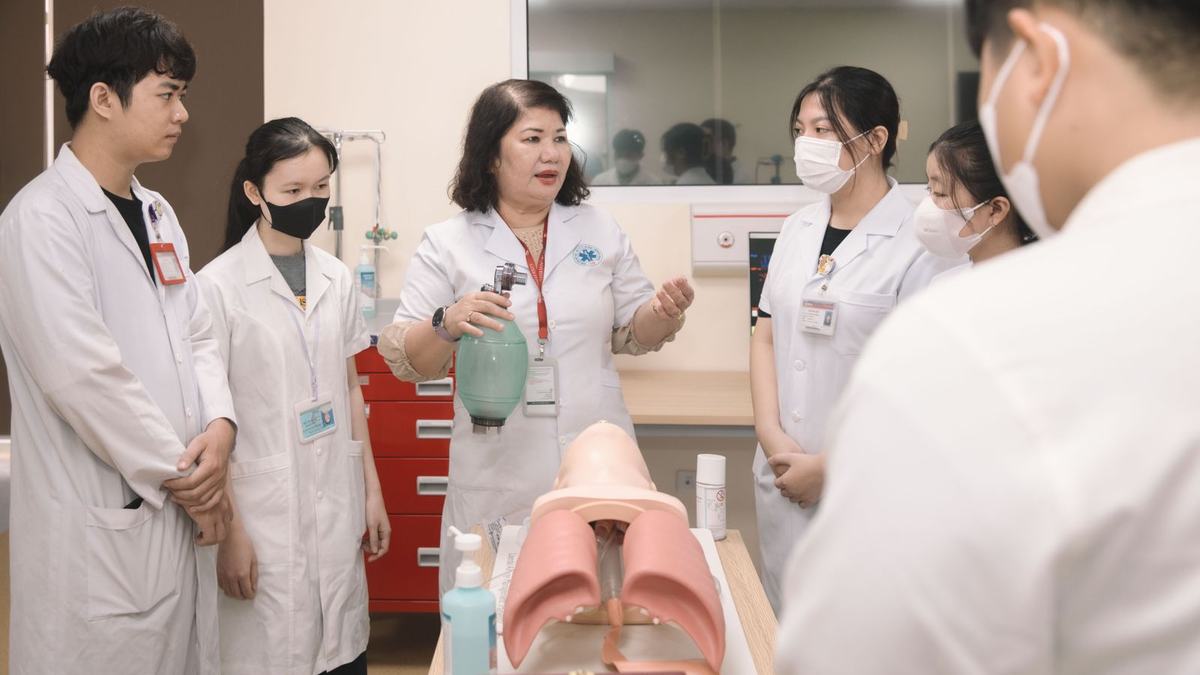
A framework signed in Manama on 5 November
The agreement was signed by Dr Adham Ismail, Officer-in-Charge of WHO’s Eastern Mediterranean Regional Office, and Professor Sameer Otoom, President of RCSI Medical University of Bahrain. The university’s official announcement confirms joint work in health-workforce education, research, community engagement and health emergencies. Contemporary Bahraini reporting dates the ceremony to 5 November and records the presence of Supreme Council of Health Chairman Lieutenant General Dr Shaikh Mohammed bin Abdullah Al Khalifa, Health Minister Dr Jalila bint Al Sayyed Jawad Hassan and Education Minister Dr Mohammed bin Mubarak Juma. Their attendance places the partnership at the intersection of health services, higher education and national workforce development.
The concrete development is an agreed framework for cooperation. Its value will depend on the activities developed beneath it: what the partners choose to work on, who participates and how progress is examined. The published accounts describe periodic meetings to review progress, set future priorities and develop joint activities. That is a practical governance commitment because a broad agreement needs repeated decisions to become a programme. The reports do not announce an immediately available student intake, a new qualification or a public recruitment round, so readers should look for subsequent implementation notices before treating the memorandum as an application opportunity.
Education and research are connected tasks
WHO Bahrain will contribute technical expertise and guidance to the shared work, according to the signing accounts. The university brings its education and research setting to the partnership. This combination matters because workforce preparation involves more than increasing the number of people attending a course. It also concerns whether learning addresses relevant professional tasks and whether institutions can examine how that preparation works in practice. A joint framework offers a place to connect those questions. The announcement establishes the intended cooperation; it does not itself supply a completed evaluation of the skills or performance of any particular cohort.
Research adds another level of accountability. A programme can count activities, while research asks a defined question and gathers evidence capable of answering it. For a future joint project, useful public information would identify the question, the participating institutions and the type of output expected. A conference presentation, an educational resource and a peer-reviewed study serve different purposes and should be described accurately. This is an analytical way to assess the collaboration as it develops, rather than a claim that the partners have already selected a particular study design or produced findings under the new memorandum.
Community engagement provides a point of contact
The agreement’s community-engagement component connects university expertise with the people and organisations beyond the campus. It also has an identifiable earlier context. In an official report dated 26 October 2025, RCSI Bahrain described a WHO delegation’s visit to discuss collaboration and examine its international community-engagement programme. Students shared experiences from an Operation Childlife mission to Jordan. That earlier visit is background, not this week’s news and not evidence that the new memorandum has already produced a mission. It shows that the relationship being formalised now follows documented contact about education and community work.
The practical question for future engagement is how community needs are identified and carried back into the programme. Participation alone is a starting measure; it does not explain whether an activity met a need or led to a useful change. A credible account can distinguish the people reached, the work undertaken and the evidence used to review it. Those distinctions would help both partners report progress without allowing an impressive activity count to stand in for an outcome. They also give the public a clearer view of what a university–international organisation partnership actually contributes beyond the signing ceremony.
Emergency cooperation needs an educational scope
Health emergencies appear among the announced cooperation areas, alongside training, innovation and public-health awareness. In this context, the story concerns institutional preparation and education. It does not introduce new emergency instructions for residents or change access to treatment. The relevant follow-up would be a defined initiative explaining its intended participants, learning objectives and relationship to the institutions responsible for implementation. Such detail would allow readers to distinguish a training exercise from an operational service, and a planned activity from one that has been completed. The memorandum provides an enabling relationship; those individual activities still need to be specified.
The 5 November signing therefore creates a clear starting point for judging progress. The partners have named their areas of work and a mechanism for continuing review, while the education and health leadership has emphasised practical benefits for Bahrain. The next meaningful evidence will be the workplans, programmes and outputs that follow. Students, educators and community organisations can watch for those concrete announcements rather than infer immediate entitlements from a broad agreement. The importance of this development lies in joining expertise with a sustained process, and its credibility will grow when the public can see what that process delivers. Gabriel Nicolaev – CyGuru
Gabriel Nicolaev – CyGuru