
Saudi Arabia / Latest News
Saudi Tourist-Visa Expansion Adds Four Countries, but Eligibility and Travel Approval Remain Separate
Citizens of Mexico, North Macedonia, Bosnia and Herzegovina, and Serbia have been added to Saudi Arabia’s tourist-visa eligibility list, according to 5 November reporting. The official eVisa terms now list all four; travellers still need to complete the applicable application and entry requirements.
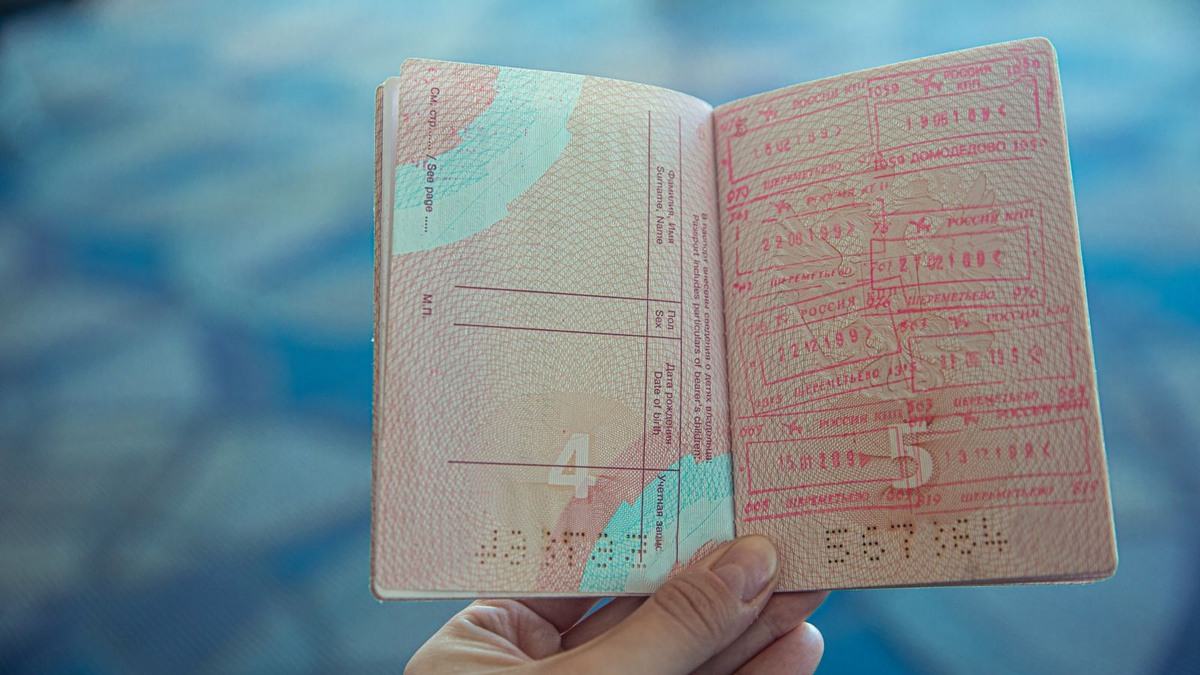
What has changed and what the official list confirms
Saudi Gazette reported the four-country addition on 5 November, attributing the announcement to the Ministry of Foreign Affairs. The official Visit Saudi eVisa terms also include the four nationalities in their eligible-country list. This is the central verified change. It gives potential visitors a new basis for checking an application route; it does not mean that every passport holder has already been granted a visa.
The official terms distinguish payment, approval and entry. Paying the application fee does not guarantee approval, and holding an eVisa does not guarantee admission at the border. The terms also specify passport requirements. Travellers should therefore read the current official conditions for their own case rather than treat a headline, social-media post or travel agent’s promotional message as a completed authorisation.
Build the trip in an order that preserves options
The planning implication is to identify dependencies before locking in a complicated itinerary. A traveller can first decide the purpose of the visit, confirm the relevant official application route and check passport details. Accommodation and transport choices then need to be assessed alongside the status of the application. This sequence is a practical planning approach, not a new procedure announced by the Saudi authorities.
Flexibility has a price, but uncertainty also has a price. A low fare may become expensive if a missed condition forces several reservations to be changed together. Comparing the total exposure across flights, hotels and activities is more informative than comparing the airline ticket alone. Read each supplier’s cancellation terms separately: a flexible hotel booking does not automatically protect a non-refundable onward journey.
A group is a collection of individual cases
The expansion may make family or friendship visits easier to consider, but a group should not assume that all members qualify in the same way. Different passports, document expiry dates or travel purposes can create separate requirements. Organisers should collect the necessary planning information with consent and confirm each person’s position through the appropriate official channel.
A useful shared itinerary records the travel dates and who is responsible for each reservation without circulating unnecessary identity documents. One organiser can coordinate timing while each traveller remains responsible for accurate application information. This reduces the risk that a booking is mistaken for immigration approval. It also makes it easier to adjust a single person’s arrangements without dismantling the entire group’s plan. A reservation reference, application reference and issued visa should remain separate entries in that planning record, because each confirms a different stage.
Choose the visit before choosing the route
A first Saudi trip can become inefficient if it tries to combine too many destinations simply because the visa makes them conceivable. Riyadh, Jeddah and AlUla offer different kinds of experience and require different movements between them. The useful starting question is what the visitor wants to do each day, followed by the realistic travel time and the pace that the group can sustain.
For a short visit, one well-chosen base can be more rewarding than a series of rushed transfers. A longer journey can justify several chapters, provided that arrival, check-in and onward travel are treated as part of the itinerary rather than invisible gaps. Our existing Saudi city and cultural guides offer a framework for this choice; current opening times, ticket availability and transport arrangements should be checked with the relevant operators.
Hospitality businesses should test demand rather than assume it
For Saudi hotels, guides and destination-service firms, four newly eligible nationalities represent potential audiences, not an immediate booking forecast. The commercial question is whether the business can reach a defined customer with an itinerary that fits the customer’s interests, language and practical needs. A translated advertisement alone does not establish demand.
A disciplined test might involve a clearly priced package, a small distribution partnership and a way to distinguish enquiries from confirmed bookings. The operator should record which questions stop a customer from proceeding. Flight convenience, available dates, payment methods and clarity about the experience may matter more than the headline addition to the list. This is an analytical business approach, not an official prediction of visitor numbers.
Keep tourist access separate from other permissions
The official eVisa terms state that it is not a work visa. That boundary is important for anyone combining travel with business interests. The practical response is to verify the permission required for the intended activity rather than assume that broader tourist eligibility covers every form of commercial work. Specific cases should be checked against the current official service information.
The expansion broadens the starting point for trip planning. The sound response is neither to ignore the opportunity nor to treat eligibility as the final decision. Verify the traveller’s route, maintain flexibility where approvals are pending and build an itinerary around the actual visit. For businesses, measure the conversion from interest to bookings before expanding commitments. That is how an access announcement can become a well-organised journey rather than an avoidable planning mistake. Gabriel Nicolaev – CyGuru.
Gabriel Nicolaev – CyGuru