
Oman / Business
Duqm Now Puts Local Suppliers Beside Export Investors: The Opportunity Is in Repeat Industrial Work
A Duqm Now discussion held on 4 November and covered again on 5–6 November connected the zone’s international investment ambitions with the work Omani suppliers could win nearby. Its practical focus was the ability to establish and operate a plant, including access to reliable services after construction ends.
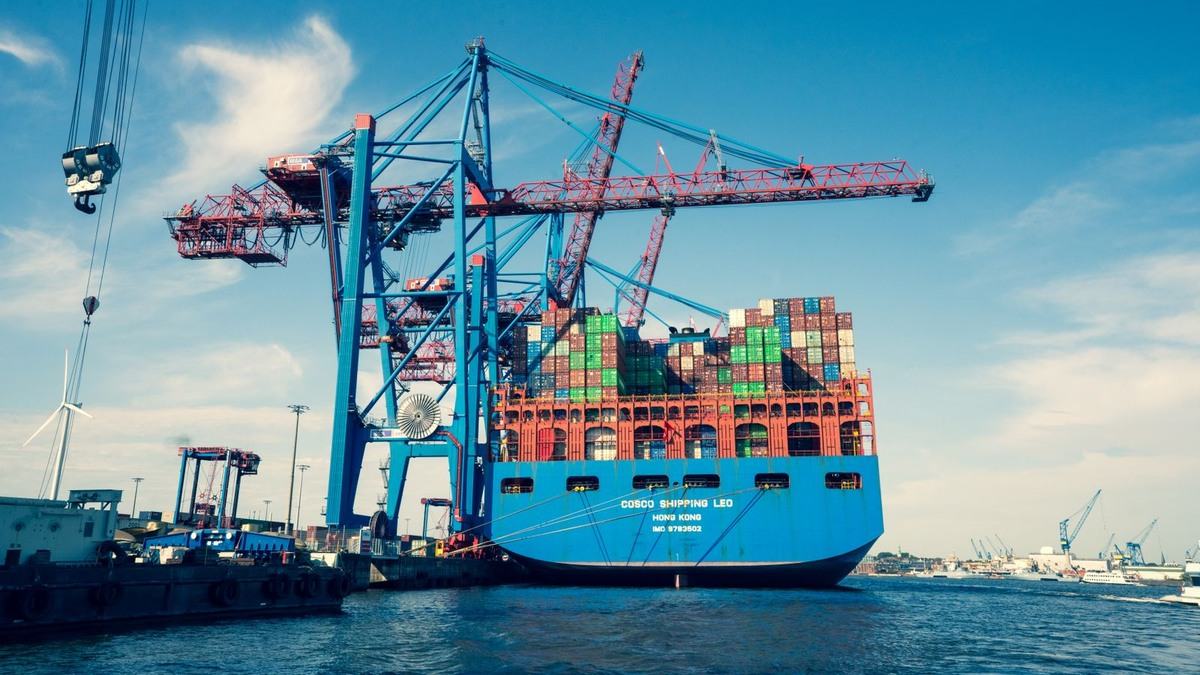
The investor can also become a customer
The official account of “Duqm Opens” identifies participants from OQ8, INVEST Oman and the Public Authority for Special Economic Zones and Free Zones. Their discussion addressed the requirements for setting up and operating in Duqm and the opportunities for Omani businesses supplying its industries. The useful shift in perspective is from attracting a large enterprise to understanding what that enterprise will need repeatedly. Construction draws attention at the start of a project, but operating facilities also require dependable goods and services over the life of the business.
This article follows the session and its subsequent coverage rather than presenting a new tender or a guaranteed allocation of contracts. The distinction is important for smaller businesses. An industry discussion can indicate where to investigate demand, yet it does not identify a purchase order that a supplier can book as revenue. There remains work between recognising an opportunity and obtaining a paying customer. The practical value of the session lies in bringing the buyer’s operating needs into view early enough for a supplier to assess whether it can credibly meet them.
Committed investment is context, not a sales forecast
The zone’s published account reports committed investment of RO8.8 billion by June 2026, compared with RO3.6 billion in 2021. Those figures provide a sense of the scale of the investment base. They do not tell an individual SME what share of spending is available to it, when procurement will occur or what margins it might earn. A large project value and a supplier’s addressable market are different quantities. Treating the first as the second risks building a business plan around money that may never enter the relevant category of purchases.
A more grounded market estimate starts with a named type of customer and a defined service. What problem needs to be solved, how frequently does it arise and how is the work currently purchased? A supplier can then investigate qualification requirements, order volumes, payment terms and the cost of responding reliably. These are questions to verify directly with potential customers, not facts established by the investment total. Their purpose is to turn an attractive location story into a commercial proposition whose assumptions can be checked before resources are committed.
Repeat service demands a different kind of readiness
For an industrial operator, a local service can be valuable because it reduces the time needed to obtain help. For the supplier, proximity alone is insufficient. The business must be able to provide the promised response with the appropriate people, tools and working procedures. As an analytical example, a maintenance offer might look convincing in a presentation but fail if no qualified person is available when required. That example is not a report of a failure in Duqm. It illustrates why a buyer evaluates delivery capability alongside the attractiveness of a quotation.
The preparation can also affect cash flow. Equipment and staff may be paid for before a customer’s invoice is settled, and a contract may create availability obligations even when the volume of work varies. A prospective supplier should therefore model the timing of costs and receipts using the proposed terms. The largest possible sales number is not necessarily the strongest first contract. A smaller, well-defined piece of repeat work can produce clearer evidence of capability and a better basis for expansion, provided the economics are sound and the relevant customer requirements are met.
Export growth still depends on local execution
The discussion also linked Duqm’s industrial base with customers abroad. International demand can support a project, but the ability to manufacture consistently and deliver on agreed terms remains essential. For local suppliers, that creates a connection between apparently small operational tasks and the larger export proposition. A delayed input or unresolved equipment issue can affect work further along the chain. This is a general operating relationship, not a forecast that any particular Duqm project will suffer disruption. It explains why local service quality belongs within a serious conversation about international competitiveness.
Businesses examining opportunities should distinguish between work during construction and work during steady operation. The buyer, timetable and required capability may change between those phases. A company that can mobilise for a temporary project may need a different staffing model to support a facility throughout the year. Conversely, a firm built for repeat service may not need to pursue a large construction package. Our Oman business guide develops the broader principle of starting with a specific need. The arrival-planning guide adds context for organising the practical commitments that accompany a move or expansion.
Evidence that would make the opportunity more concrete
The next useful step for a prospective supplier is not simply collecting more project announcements. It is finding the current procurement route of the relevant operator and asking which categories are open, what qualification requires and when purchasing decisions are expected. Those details should be obtained from the actual buyer. This report does not promise an open application window or substitute a conference discussion for a supplier-registration process. It identifies the information that makes an opportunity actionable rather than merely attractive in a headline.
Duqm’s investment story becomes more meaningful when it connects foreign customers, industrial operators and capable local businesses. The session placed those relationships in the same discussion. Whether an SME benefits will depend on the work it can win and deliver, not on the zone’s aggregate investment figure alone. A credible assessment therefore tracks the progression from a defined need to qualification, a contract, successful delivery and payment. That sequence provides a better measure of local economic participation than counting expressions of interest or assuming that industrial expansion automatically distributes business to every nearby supplier.
Author
Gabriel Nicolaev – CyGuru
Gabriel Nicolaev – CyGuru