
Qatar / Travel
Qatar’s Boat Show Puts Water Taxi Plans and Digital Small-Craft Services on Display
Qatar’s Ministry of Transport is using its Boat Show stand to explain a planned water taxi, maritime markers and digital small-craft services. The display offers a closer look at how transport and recreational boating connect, without announcing an operating passenger timetable.
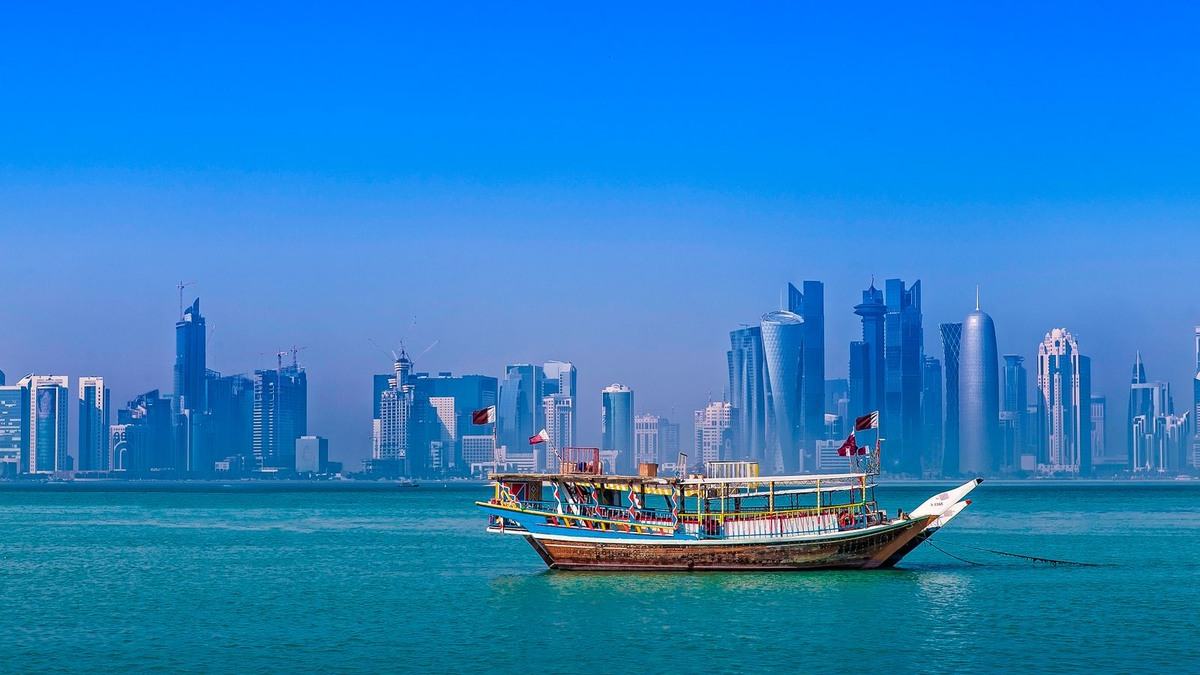
A transport display inside a maritime event
The ministry’s 5 November notice identifies Lusail City, The Pearl-Qatar and West Bay on its water-taxi model. It also highlights the Darb application’s small-craft transactions and a safety display using the IALA Region A marking system. The Qatar Boat Show organiser lists the event at Old Doha Port from 4 to 7 November. Together, those announcements provide a specific visitor opportunity: to see transport plans and administrative services alongside the boats themselves. The ministry’s announcement does not supply a passenger launch date, fare or operating timetable.
That matters for anyone attracted by the idea of travelling between waterfront districts. A model can explain intended infrastructure and geographical relationships, while leaving the eventual service proposition unresolved. Travellers should not turn the locations on the display into a confirmed itinerary. Residents considering a future commute should likewise wait for operational information. The useful distinction is between learning how a project is conceived and arranging a journey that can actually be booked or taken today.
Judge a future water journey from door to door
A waterfront connection is only one segment of a trip. For a commuter, the relevant calculation begins at the front door and ends at the workplace or other destination. It includes reaching the departure point, waiting, boarding, the crossing and the final walk or connection. A pleasant stretch on the water may still make an inconvenient daily route if the surrounding connections are difficult. Conversely, a well-positioned stop can make a service useful even when a road route appears shorter on a map.
The questions for a future operating announcement are therefore practical: how frequently would departures run, how would passengers reach the stops, and how would service changes be communicated? Accessibility, shade, waiting areas and onward connections also influence the experience. These are assessment criteria, not published specifications of the planned Qatar service. The exhibition model is a starting point for understanding geography. It should lead to careful questions about everyday use rather than assumptions about the final journey.
For boat owners, a transaction needs the right record
The presence of digital maritime services at the stand gives visitors another useful line of enquiry. An owner can ask which transaction applies to their circumstances, what evidence is required and where to check the current official procedure. Registration, an ownership change and replacing a document solve different administrative problems. Even when they appear in the same application, completing one does not necessarily settle the others. The safest preparation is to identify the exact change being requested before beginning the submission.
Digital access can remove the need for some physical journeys, but a clear record remains essential. Owners should retain the relevant reference, check the details recorded against their craft and keep track of any follow-up request. Where an application involves another party, the parties should confirm what each is expected to provide through the official service. This is an administrative preparation framework, rather than a statement of current fees or legal eligibility. Those details belong to the competent authority’s instructions for the particular transaction.
A safety demonstration is an introduction to learning
A display of navigation marks can make a waterfront visit more educational. Visitors can ask how a mark communicates information and why a skipper needs to interpret the surrounding situation rather than memorise a colour in isolation. The ministry’s stand offers that point of contact with maritime safety. It is particularly useful for families whose children see boats frequently but have little opportunity to connect a harbour scene with the rules and responsibilities behind it.
Exhibition familiarity should not be mistaken for operational competence. Someone considering boat ownership or regular boating needs the appropriate learning, current requirements and an understanding of the craft and waters involved. The show can help identify questions and direct a visitor to official information. It cannot, through a short demonstration alone, establish that a person is prepared to make navigation decisions. A good educational visit leaves a new participant more aware of the knowledge they still need.
Plan the visit around the information you need
Different visitors can get different value from the same stand. A resident interested in future public transport can focus on the locations shown and ask where subsequent project updates will be published. A small-craft owner can clarify the correct digital transaction. A family can use the safety display as a conversation about the work of a captain. Choosing a purpose beforehand helps the visitor move beyond photographing the model to understanding the system it represents.
The organiser’s current information should be the reference for access arrangements during the remaining show days. Any later water-taxi service announcement will need to be read separately for operational details. The broader significance of the ministry’s presence is that maritime development includes public mobility, administration and informed use of the water, alongside the vessels on display. For the visitor, the most useful outcome is a clearer question and a reliable official route to the next answer. Gabriel Nicolaev – CyGuru
Gabriel Nicolaev – CyGuru