
Kuwait / Business
North Kabd Groundbreaking Moves Kuwait’s Wastewater Expansion Into the Construction Phase
CSCEC’s North Kabd wastewater project has reached groundbreaking, according to reporting published on 5 November. The KD998 million scheme combines construction with operation and maintenance; its proposed treatment capacity will become useful only when the surrounding collection and reuse system also works.
A new milestone after the July signing
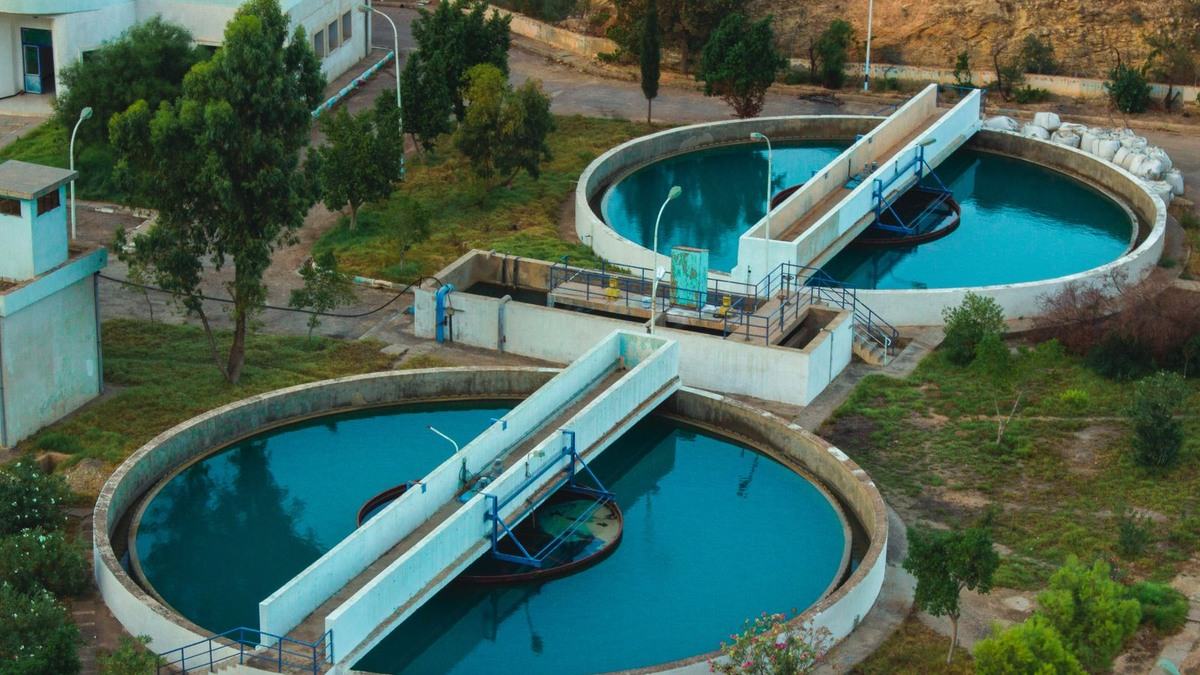
TradeArabia reported on 5 November that CSCEC Middle East had held a groundbreaking for the North Kabd Wastewater Treatment Plant. The reported contract value is KD998 million, approximately US$3.3 billion, with capacity designed for up to one million cubic metres a day. These are project specifications and a construction milestone. They are not a statement that this volume is already being treated. That distinction matters when assessing what an infrastructure announcement changes today.
The Chinese embassy’s account records the contract signing on 26 July 2026, attended by Kuwaiti and Chinese officials. Reading the two announcements together gives a clearer sequence: agreement first, groundbreaking later, with commissioning still ahead. MyGCCNews’s assessment is that the important change is movement into physical delivery. A project can have considerable strategic importance while still requiring detailed evidence of progress before residents or businesses experience the intended service improvement.
The contract joins construction to operating responsibility
The announced scope includes design, construction, operation and maintenance. This combination makes the quality of handover particularly important: the facility must be maintainable as well as buildable. In general project assessment, a contractor’s operating responsibilities create a reason to examine the whole service life, including access for equipment replacement, inspection routines, staff training and the information passed from construction teams to operators. The public report does not supply these detailed arrangements, so they remain questions for subsequent disclosures.
For suppliers, the useful response is to identify where a product or service sits within the actual contract rather than infer an open tender from the project headline. Equipment supply, civil works, control systems and later maintenance can follow different procurement routes. A company should establish the responsible purchasing entity, qualification requirements and payment chain before making commitments. A large announced value is evidence of project scale; it does not tell an individual supplier how much accessible business exists.
Treatment capacity needs a complete route for the water
The project is intended to strengthen collection, treatment and reuse. Those words describe linked functions. Adding treatment equipment alone cannot establish how much water reaches a plant, how reliably it is processed, or where the treated output can be used. As an analytical framework, readers should follow the route from incoming flows through treatment to storage, distribution and end users. Each connection can influence whether design capacity becomes a consistent public service.
Reuse also needs a clearly defined purpose and the standards appropriate to that purpose. The current announcement does not establish an allocation of treated output among specific users, nor does it publish a commissioning schedule in the reporting reviewed here. It would therefore be premature to promise a particular saving, environmental outcome or additional supply date. The stronger story will emerge when the implementing parties publish operational milestones and explain how the facility connects with the wider network.
What progress reporting should make visible
The next useful disclosures would distinguish site mobilisation, civil construction, equipment installation, testing and service acceptance. They answer different questions and should not be compressed into one percentage without explanation. For example, physical structures may be advanced while controls or connecting works are still incomplete. This is a general way to read infrastructure reporting, not a claim that such a gap exists at North Kabd. It helps readers evaluate future updates without assuming that every construction milestone delivers the same operational benefit.
The July signing and November groundbreaking also show why dates should remain attached to each stage. Repeating a contract value in a fresh story does not make the award new. Equally, an existing award can produce a legitimate new story when construction begins. Clear chronology protects readers from counting the same investment twice and enables businesses to track which decisions are complete and which depend on later approval, engineering work or performance testing.
For a public project of this scale, a useful progress dashboard would connect spending and physical work to the services eventually delivered. The most informative measures need not all be financial: tested equipment, completed network interfaces and accepted operating procedures can explain progress that a photograph cannot. Conversely, a large payment or an impressive structure does not alone demonstrate treatment performance. This is an editorial framework for following future disclosures, rather than a description of a dashboard already published for the project.
A public-service test beyond the ceremony
The immediate public significance is a construction step for a major wastewater asset. The longer test is dependable service: reliable treatment, suitable reuse arrangements and maintenance that preserves performance after handover. Neither the ceremony nor the budget can establish those outcomes on its own. Readers should therefore retain the reported scale while reserving judgment on delivery until measurable operating information becomes available. That is a more useful form of confidence than treating a major announcement as a completed result.
For readers planning a move or a business in Kuwait, our housing and business guides provide a practical way to connect major development news with daily decisions. Infrastructure can support long-term urban capacity, while a household or company still needs to verify the services available at its particular location. The North Kabd story will deserve follow-up as construction develops, especially when the project parties publish timetables, network connections and commissioning evidence. Gabriel Nicolaev – CyGuru
Gabriel Nicolaev – CyGuru