
Kuwait / Business
Kuwait Property Trading Rebounds Quarterly as KFH Figures Show a More Uneven Market Beneath the Total
Kuwait’s third-quarter property trading rose 12.4% from the previous quarter while the number of transactions slipped 0.5%, according to KFH reporting released on 5 November. The combination makes transaction mix and individual property evidence more useful than a single market-wide growth headline.
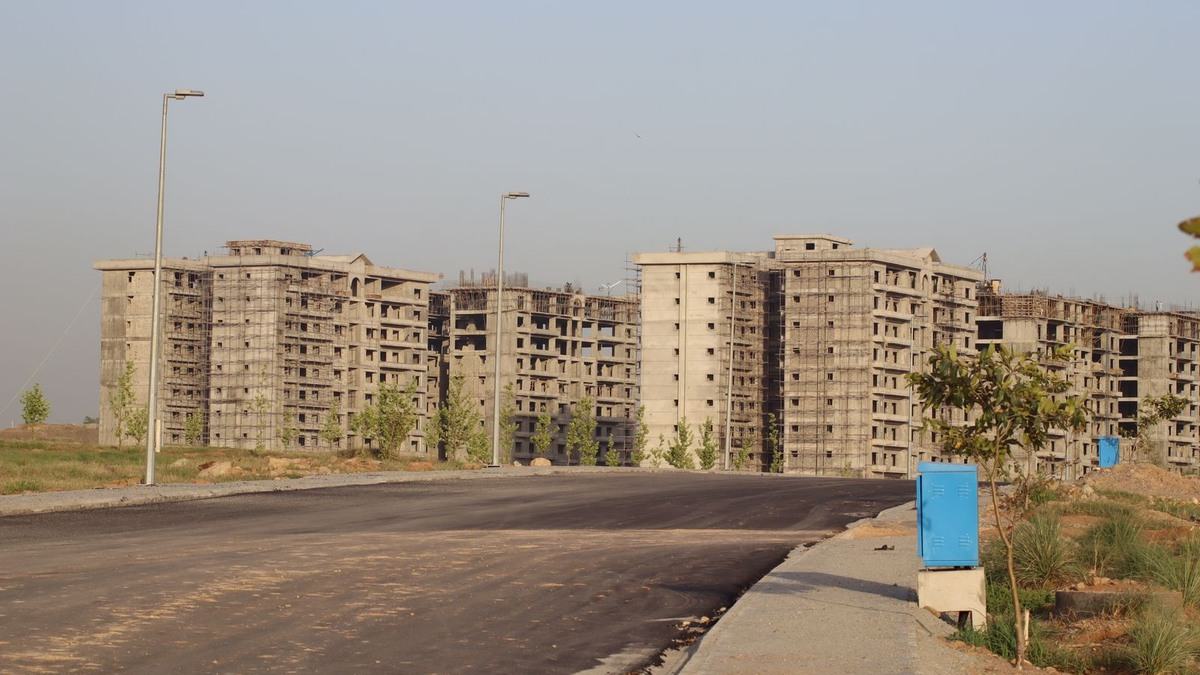
A larger total does not describe every transaction
Kuwait Finance House published its third-quarter real estate market update on 5 November. Local reporting of the report puts trading value at around KD1.02 billion across 1,502 transactions. The headline quarterly gain in value came alongside a small decline in the number of deals. MyGCCNews’s reading is that this is a reason to examine composition, rather than assume a uniform rise in activity. More money can change hands even when fewer properties are sold.
A simple comparison illustrates the issue without forecasting the market. Two quarters can contain different proportions of villas, apartment buildings, commercial assets and other property. A larger building entering the transaction record can lift the aggregate value even if the experience of an ordinary buyer changes little. The report is therefore useful as a map of recorded activity, but its national total cannot provide a valuation for a particular plot, house or income-producing building.
Read quarterly recovery alongside the annual comparison
The bank’s figures, as reported by Al-Anba, also show that total trading value remained 20% below the third quarter of 2025, with transaction numbers 4% lower. Both comparisons can be accurate: an improvement from the immediately preceding quarter can coexist with a decline from the same period a year earlier. The practical lesson is to keep the comparison period beside every growth figure. Removing it changes the meaning of the number.
Neither comparison alone proves where prices go next. Quarterly movement can capture a rebound from a weaker period, while an annual change can reflect an unusually large transaction mix in the earlier year. A careful buyer or analyst would ask which segment produced the movement, whether the number of deals supports the value change, and how recent the underlying records are. These questions turn a headline into a usable starting point for investigation instead of a broad instruction to buy or wait.
Turnover, asking prices and achieved prices are different
The report’s segment data underline that distinction. Private housing remained the largest component by value, while investment and commercial trading also improved quarter on quarter. However, the reported private housing price measure edged down 0.5% over the quarter. Higher turnover and softer prices can therefore occur together. A transaction-value series measures the money exchanged across completed deals; it does not automatically measure what the same property would sell for on two dates.
For someone evaluating an individual property, the next step is to separate advertised prices from completed comparable transactions. Comparables should resemble the property in use, location, size, condition and timing. Asking prices may reveal seller expectations but do not establish an achieved market price. Equally, a national average can conceal material differences in building quality or tenancy arrangements. The report provides context for this work; it cannot replace the property-specific evidence that makes a negotiation defensible.
Income property requires a second set of questions
An investor buying an apartment building or commercial asset faces questions beyond the last reported price movement. What income has actually been collected, which leases are documented, what expenses recur, and which capital works are approaching? A stronger transaction total does not answer any of these. These are analytical considerations for evaluating an asset, not claims about the condition of properties in the KFH sample. They remain relevant even when the wider market appears to be improving.
The distinction between gross rent and usable cash is particularly important. A rent schedule can look attractive before vacancies, collection delays, maintenance and financing are considered. Buyers should compare scenarios on a consistent basis rather than allow the national growth rate to stand in for a cash-flow assessment. This approach also helps an owner decide whether an asking price reflects dependable income, expected future improvements or simply the hope that another buyer will accept the same optimistic assumptions.
A further discipline is to keep a personal decision separate from the reporting period. A household negotiating in November should establish what has changed since the quarter ended, rather than assume that every recorded transaction describes conditions today. The same applies to sellers: a historical average is a reference, not proof that a buyer will accept a particular price. Recent comparable evidence and the actual property’s condition remain necessary when translating the report into a decision.
Use the report as a disciplined market starting point
The useful result of the new report is greater detail about a mixed quarter: value recovered from the second quarter, the deal count softened slightly, and the annual comparison remained weaker. That combination deserves more precise language than either a universal boom or a universal slump. Segment definitions and measurement dates should travel with any chart or claim drawn from the report. Readers can then compare like with like and distinguish a genuine change in pricing from a change in what happened to trade.
For households, the decision still begins with the home and the routine it supports. For businesses and investors, it begins with the use, operating obligations and cash available after costs. Our Kuwait housing and business guides develop those practical questions. The next reports will show whether the quarterly improvement broadens, but no single release can establish a future return. The strongest reading of KFH’s figures is specific, comparative and connected to the individual decision. Gabriel Nicolaev – CyGuru
Gabriel Nicolaev – CyGuru
Sources & further reading
Kuwait Finance House: Q3 market report announcement, 5 November 2026
Al-Anba: report figures and segment comparisons, 6 November 2026
The Edge: analysis of the KFH Q3 report, 6 November 2026
Related on MyGCCNews
Choosing a home in Kuwait: test the daily routine
Starting a business in Kuwait: follow the route from buyer to payment