
Qatar / Latest News
Lusail Circuit Highlights Solar, Materials and Habitat Measures Ahead of November Racing
Lusail International Circuit has outlined environmental measures during Qatar Sustainability Week, according to QNA reporting on 5 November. The update focuses on permanent infrastructure and event operations as November’s race programme approaches.
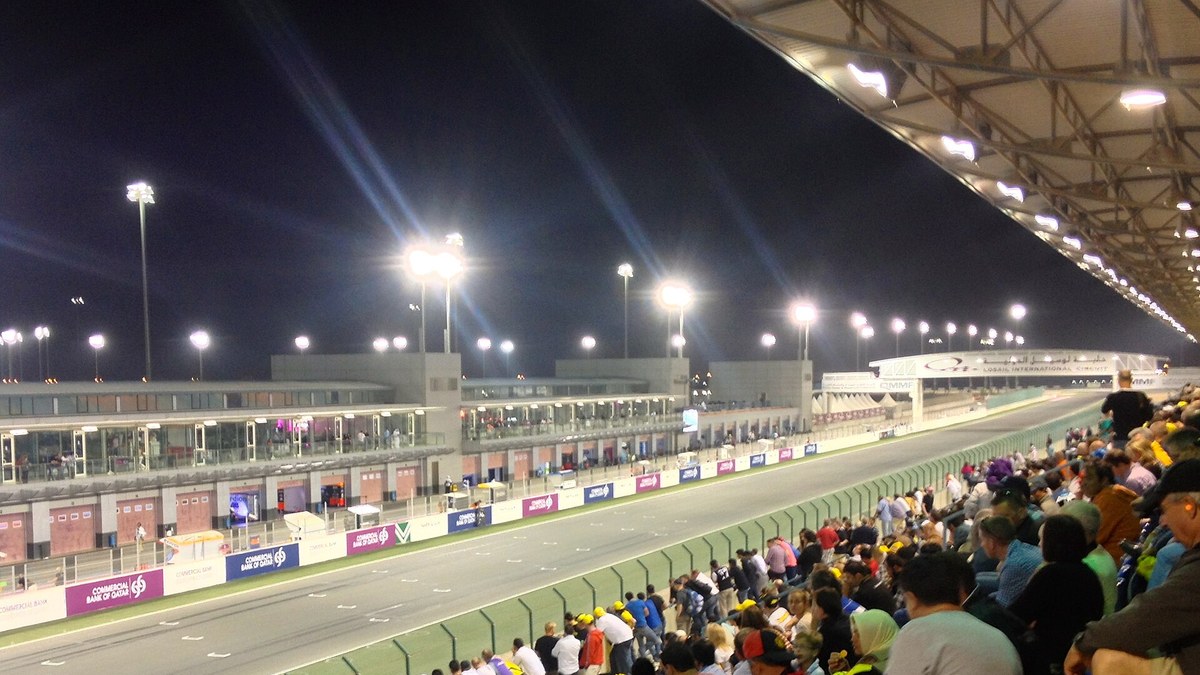
An operational update rather than a finish line
The circuit’s update highlights clean energy, electronic-waste management and biodiversity as areas of work. QNA reports rooftop solar capacity of approximately 1.24 MWp, alongside measures affecting cooling, materials and waste handling. These are different kinds of intervention and should be assessed separately. Installed solar capacity describes equipment; energy actually generated describes performance over a stated period. A materials policy describes an intended operating rule; recovery data show what happened after use. Keeping those categories separate makes the announcement more useful and avoids treating a collection of initiatives as proof that an entire event has no environmental impact. The news is that the venue has set out specific measures as part of the national sustainability campaign, with implementation and results remaining subjects for follow-up.
Analysis: permanent assets and temporary peaks
A sporting venue has two overlapping operating patterns. It functions between events, and it must also handle concentrated demand when spectators, teams and contractors arrive together. Permanent infrastructure can improve the base operation, but the environmental effect of a race weekend also depends on temporary equipment, transport, catering and service arrangements. A useful assessment therefore asks which demand a measure addresses. Solar generation may contribute to routine electricity needs while the event creates additional peaks at particular times. Neither fact cancels the other. This analytical distinction helps a reader interpret infrastructure claims without assuming that one installation supplies every activity on site. The meaningful comparison would identify the relevant consumption, the production period and the proportion covered, using consistent boundaries across reports.
The material does not end at the bin
The update describes reuse and recovery activity, including efforts to keep materials in circulation. For a spectator, the visible interface is a set of bins or a collection point. For the operator, the complete process extends through sorting, collection, storage, transport and treatment. A useful post-event report would explain the route rather than stop at the number of collection stations installed. If a product is described as recyclable, the relevant question is whether it reaches an available process that can actually handle it. These are general evaluation questions, not claims that the circuit’s collection system is failing. They show why a recovery target and a recovered quantity should be reported differently, and why contamination or mixed materials can complicate an otherwise clear intention.
Habitat needs continuity after the event
Biodiversity introduces a different timescale from a race weekend. Planting or recording a landscaped area is a starting point, while habitat quality depends on maintenance, water use and whether living systems continue to function. For any venue making a nature-related claim, a useful framework would identify the baseline, the intended improvement and the monitoring method. The analysis should also distinguish planted appearance from ecological value: an attractive space and a functioning habitat are related possibilities, not interchangeable measures. The circuit’s decision to include biodiversity in the update broadens the discussion beyond energy and waste. Its long-term significance would become clearer through repeated observations that show what changes in the landscape over time, including the conditions needed to sustain those changes.
What fans and contractors can check
For visitors, useful preparation remains practical. Check the current event instructions for access, permitted items and any reuse or collection arrangements before arrival. Environmental initiatives should not be treated as a reason to assume that a particular bottle, bag or other item is permitted through security. Contractors face a different task: understanding the requirements that apply to their work, materials and waste routes. A clear responsibility chain matters when an event involves many organisations operating in the same space. If a requirement is ambiguous, clarification before delivery is more effective than improvisation at a busy loading point. These are planning implications of the update, not new rules issued by this article; the venue’s own current guidance remains the appropriate source for operational instructions.
Comparable reporting matters across race formats
Different race events may create different operating demands. A useful comparison should therefore explain changes in attendance, duration or the activities counted, rather than assuming that a lower total always means better performance. A venue can report both absolute quantities and a clearly defined activity measure to make the distinction visible. This is a proposed reading framework, not a new statistic from Lusail. It helps readers understand whether an improvement reflects a changed operation, a different event profile or a more efficient use of resources under similar conditions.
The follow-up is measured delivery
A strong follow-up would compare intended measures with what happened during the events, using quantities, periods and methods that a reader can understand. It would distinguish installed assets, operational actions and achieved outcomes. The distinction is constructive: it makes genuine progress easier to recognise and limitations easier to address. For Lusail, the update provides a specific set of subjects to watch as the venue moves through November. For the wider Gulf events sector, it illustrates why sustainability coverage needs to follow the operating system behind the spectacle. A public announcement can establish direction and responsibility. The evidence that follows will show how effectively that direction was translated into energy management, material handling and continuing care of the venue’s environment. Gabriel Nicolaev – CyGuru
Gabriel Nicolaev – CyGuru