
UAE / Sport
UAE Youth Judoka Win Seven Medals in Amman, With Competition Experience Behind the Opening-Day Tally
The UAE’s junior and youth judo delegation won two gold, two silver and three bronze medals on the opening day of the West Asian championship in Amman, according to a 6 November federation update carried by WAM. The result gives individual athletes recognition while also raising a useful question about how age-group competition supports longer development.
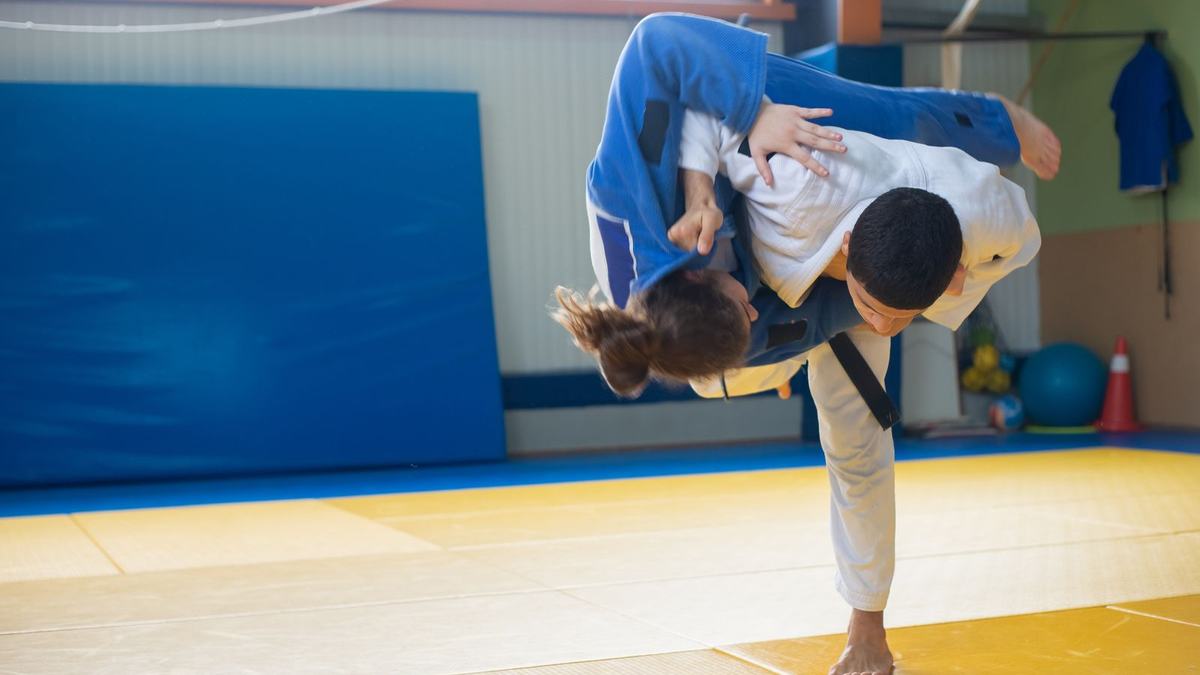
Seven medals, with different stories behind each placing
WAM identifies Saqr Al Otaibi and Masoud Al Masmari as gold medallists in the under-66kg and under-55kg categories. Nada Rashed Al Ghafri and Nouf Saeed took silver in the under-40kg and under-44kg women's events. Manaa Al-Zaabi, Bati Al-Hashmi and Youssef Mohammed Al-Awad earned bronze in the under-50kg, under-60kg and under-81kg categories respectively. These are opening-day results, not a final championship medal table.
The federation says the participation is intended to strengthen competitive experience and athletes' abilities. That purpose matters alongside the colour of the medals. Each judoka meets a different sequence of opponents and situations, so a shared team total cannot explain every performance. The useful next conversation is about what each athlete did well, which problems emerged and how the experience informs the next period of training.
A result records the outcome, while a review examines the contest
A medal tells the public where an athlete finished. It does not show every decision that produced that placing. A judoka may need to manage distance, establish a usable grip, recognise an opening and respond when an opponent changes the exchange. For a spectator, following those changes reveals more than waiting for the moment when someone reaches the mat.
An informative review can focus on a small number of observable sequences. What happened before an effective attack? How did the athlete respond after an unsuccessful attempt? Was a repeated difficulty addressed in the next exchange? These are questions for studying the competition, not claims about the individual medal bouts reported here. The public release does not provide a complete technical account of each match.
Age-group context is essential to a fair comparison
Junior, youth and cadet labels are not interchangeable descriptions of one universal competition. The relevant age rules and event format shape who can compete and what a result means. International Judo Federation materials likewise distinguish categories and explain that some technical interpretations depend on the age group. Readers should therefore retain the event and category when comparing achievements across different tournaments.
This is also a reason to avoid converting an encouraging regional result directly into a prediction about a senior international career. Development is not a straight line inferred from one podium. Progress may involve adapting to new opponents, different competition demands and changes in an athlete's own capabilities. Recognising the present achievement does not require claiming certainty about every stage that might follow it.
Competitive confidence comes from evidence an athlete can use
Winning can provide a memorable reference point, but the most useful confidence is connected to something repeatable. An athlete who understands why a decision worked has more to return to than a vague instruction to believe in success. Equally, a difficult contest can become useful when the athlete and coach identify a specific lesson rather than treating the result as a fixed judgement of ability.
For families watching an age-group athlete, this suggests a constructive conversation after competition. Ask what the athlete noticed, what surprised them and what they want to understand better. That does not replace the coach's technical role or require a parent to analyse every exchange. It simply gives the athlete room to describe the experience beyond the single question of whether a medal was won.
A team achievement is built from support between bouts
The public sees the contest, but a competition day also contains waiting, preparation and changes of focus. Athletes have to move between those phases while following the event's arrangements and their team's guidance. A strong support environment helps them understand what happens next without turning every pause into another source of pressure. This is general competition analysis, not an account of the UAE delegation's private routines.
The same perspective helps explain why a delegation's experience cannot be reduced to its total medal count. Teammates observe one another, encounter different competitive problems and return with a wider set of examples to discuss. A programme can use those examples to improve preparation, provided it remains attentive to the individual athlete rather than assuming every member needs an identical response to the same tournament.
What deserves attention after the opening day
The immediate news is a seven-medal start with contributions across men's and women's categories. Later official results are needed before describing the delegation's final championship outcome. Any additional medal should be recorded in its own event context, without silently replacing the opening-day tally or combining separate championships as though they were one competition.
For UAE judo followers, the result offers names and categories to follow as the athletes continue to develop. The lasting value lies in connecting recognition with learning: celebrating what has been achieved while remaining precise about the next challenge. A podium is a clear public marker. The work that turns competitive experience into a stronger athlete continues beyond the moment when the medals are presented.
Gabriel Nicolaev – CyGuru
Gabriel Nicolaev – CyGuru
Sources & further reading
WAM: seven UAE judo medals, 6 November
WAM report republished by Pakistan Point
IJF: rules and age-category context