
UAE / Living
UAE Early Childhood Week Sets 16–22 November Programme, With Practical Choices for Families
The Ministry of Family unveiled the first national Early Childhood Week on 4 November. The programme targets children up to eight, with activities across all emirates and a published Sharjah family programme showing how the national announcement becomes a local visit.
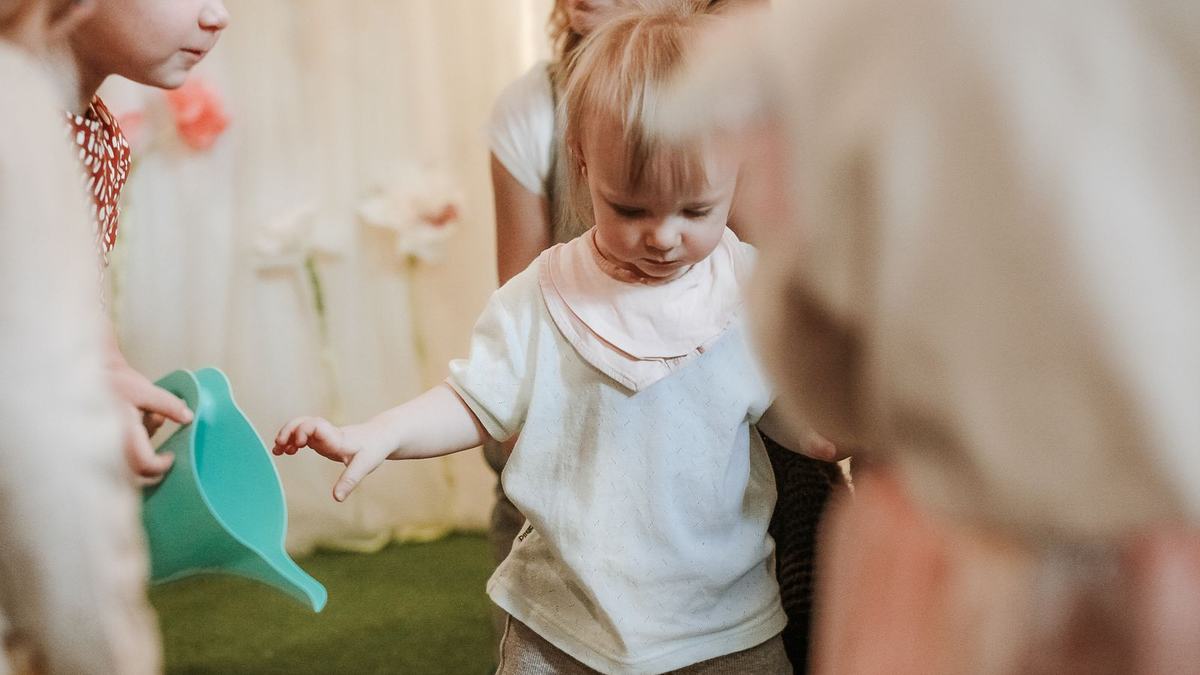
The first national edition is now taking shape
The UAE’s first national edition of Early Childhood Week will run from 16 to 22 November under the theme Every Moment Matters, following a Ministry of Family announcement on 4 November. Organised with the Abu Dhabi Early Childhood Authority and partners, the initiative is designed for children up to eight, their families and caregivers. The national announcement brings early learning into public and community spaces, with participation across the country rather than a single exhibition that families must travel to reach.
The Ministry’s programme includes play, storytelling, physical activity and parent engagement. Its school initiative, A Moment Together at School, pairs a child with a parent or caregiver for a short shared experience, supported by a take-home card. A Children’s Run is planned for 20 November, coinciding with World Children’s Day. These are announced components, but attendance arrangements are event-specific. Families should check their school’s communication and the named organiser’s booking instructions instead of treating the national dates as one universal registration.
A confirmed Sharjah programme adds useful detail
House of Wisdom in Sharjah has published a local programme for 21 and 22 November. Its listing gives 4pm–6pm on the first day and 4pm–6.30pm on the second. Activities described include theatre, creative work, sensory play and storytelling, alongside a family keepsake activity and a take-home deck called 52 Moments Together. A discussion on bibliotherapy examines how books and stories can support children’s emotional wellbeing. The booking listing shows AED0 and an age range of one to eight.
That age listing should be read alongside the programme’s description, which also mentions babies and toddlers. A family with an infant should confirm the appropriate session directly rather than assuming every activity admits every age. Similarly, the venue’s ordinary opening hours do not establish when a particular workshop takes place. The published session times are a more useful starting point. Check the final booking page for capacity, accompanying-adult requirements and whether separate activities require their own reservation.
Choose the experience around the child
For parents choosing between events, the first decision is the kind of participation a child can enjoy. A toddler may need room to move and a short, flexible activity; an older child may prefer a story with a sequence to follow or a creative task that takes longer. Those are planning considerations, not developmental assessments. The national programme’s broad age range makes session-level information especially important: the same label, such as storytelling, can describe quite different experiences for different children.
Ask what the adult is expected to do. Some activities are designed around shared participation, while others may involve watching a performance or listening to a speaker. A family seeking time together should distinguish those formats before booking. Where a session combines several stations, choose one or two that fit the child’s interests rather than trying to complete every element. Leaving with a remembered story or an enjoyable shared activity may be more useful than collecting a long list of brief stops.
Travel also shapes the experience. A family arriving after a demanding school day may need a simpler programme than one visiting on a free afternoon. Check the route, parking or transport arrangements, meal timing and the distance between booked activities. These ordinary logistics determine how much attention adults and children can bring to the event. They are particularly relevant when a national programme encourages visits beyond a household’s usual neighbourhood or when siblings have different schedules.
Connect a public activity to life at home
The strongest part of the announced design is the connection between a public session and something a family can repeat. A take-home card or activity deck provides a prompt after the event has ended. To make that useful, select an idea that fits an existing routine: reading before bed, talking during a meal or creating something during a quiet afternoon. There is no need to turn every family interaction into a formal lesson or to purchase special equipment to reproduce a meaningful shared moment.
The Ministry also announced an Arabic-and-English family guide organised around conversation, presence, routines and growth. Its existence is useful for households where adults prefer different languages, but the announcement does not make the guide a clinical service or a substitute for individual professional advice. Read it as a collection of practical prompts. If an activity raises a specific concern about a child’s wellbeing or learning needs, the relevant qualified professional remains the appropriate person to discuss that concern with.
Check the event, rather than only the venue
For a family newly settling in the UAE, the programme offers a way to discover nearby community institutions while building a weekly routine. MyGCCNews’ first-90-days guide helps place those choices alongside housing, school and household arrangements. Its neighbourhood guide offers a complementary approach: assess an area through the services and public spaces a household will actually use. A library or community venue can become a repeat destination long after a themed week ends.
The next practical step is to choose a specific event and verify its current details with the organiser. The national announcement directs families to the Early Childhood Week programme and participating institutions for schedules and attendance requirements. House of Wisdom already provides a concrete example with dates, session times and booking information. Use that level of detail for any chosen visit, keep the booking confirmation, and leave enough flexibility for the child’s interests and energy on the day.
Gabriel Nicolaev – CyGuru.
Gabriel Nicolaev – CyGuru