
UAE / Business
ADNOC Gas and SNOC put storage and network integration on the commercial agenda
ADNOC Gas and Sharjah National Oil Corporation announced a strategic collaboration agreement on 6 November to examine how their infrastructure and capabilities could work together. The framework spans storage, processing, supply and network opportunities, with a focus on resilience and demand in the Northern Emirates. Its business significance lies in the connection between additional gas supply and the practical ability to move, store and deliver it to customers when required.
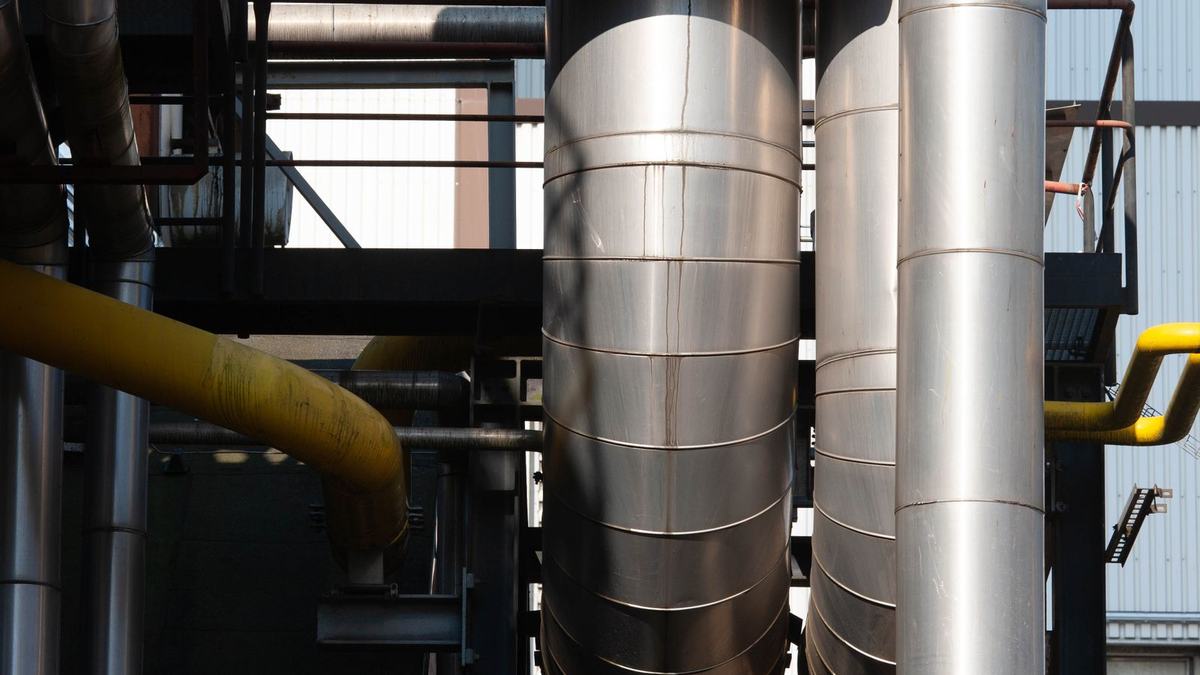
A framework for evaluation
The companies say the agreement establishes a basis for evaluating cooperation across gas storage and processing, long-term gas supply arrangements and infrastructure. LPG and downstream-products trading are also within the areas to be explored. The language matters: this is a framework for assessing opportunities. The announcement does not provide a new storage volume, a project construction timetable or a committed capital budget. Readers should therefore distinguish the scope of the collaboration from an investment decision on any particular asset that may later emerge from it.
The distinction is particularly important for suppliers considering the story as a source of contracts. A broad cooperation agreement can create the conditions for future studies, engineering work or commercial arrangements, but it is not itself a tender notice. A contractor needs to know the purchasing entity, the defined work package and the applicable procurement route. Until those are published or communicated through the appropriate channel, an estimate of addressable work would be speculative rather than a confirmed addition to the company’s order pipeline.
Why integration has economic value
Gas availability and gas deliverability answer different questions. Availability concerns the resource and the ability to produce or process it. Deliverability concerns whether the system can provide the required quantity at the relevant place and time. In general network economics, storage and connected infrastructure can help manage that difference. This explains the commercial logic of examining several parts of the system together, while avoiding an assumption that a new agreement immediately changes the amount or price of gas available to an individual industrial customer.
For a hypothetical factory evaluating an expansion, the key concern is dependable energy at the site over the operating cycle. An upstream production headline cannot answer every question about the connection, the supply contract or operational interruptions. The factory would need project-specific discussions with the relevant providers. The ADNOC Gas–SNOC framework is significant because it addresses the system behind that customer relationship. It still leaves the individual customer’s actual supply arrangements to the contracts and infrastructure serving that particular location.
Storage is not processing
Storage, processing and transport perform related but distinct functions. Storage concerns holding gas for later use; processing concerns preparing gas and associated products for their intended markets; transport concerns movement between locations. The agreement covers opportunities across those functions, but the commercial requirements for each differ. A storage arrangement might be evaluated around injection and withdrawal needs, while a processing arrangement raises questions about feedstock and output. These are explanatory examples of the evaluation work, not technical specifications disclosed for a new project.
This functional separation also matters for interpreting resilience. A system can have substantial production capacity and still benefit from more routing options or flexibility in the timing of deliveries. Conversely, an additional route has limited value if the necessary upstream or downstream capacity is unavailable. A credible integration plan needs the pieces to work together. The next meaningful disclosures would therefore explain the selected opportunity and its operating role, rather than merely repeat that the companies intend to collaborate across a broad set of assets.
Connecting growth programmes to customers
The company announcement places the potential collaboration alongside ADNOC Gas’s Rich Gas Development and Estidama programmes. It describes the former as expanding processing capacity and the latter as modernising and optimising the pipeline network. That provides strategic context, rather than a statement that SNOC has become a contractor on either programme. The distinction keeps corporate strategy, inter-company cooperation and project procurement in their proper categories. Each can influence the other, but a commercial commitment requires evidence at the level of the specific arrangement.
SNOC’s established Sharjah infrastructure gives the discussion a clear geographic dimension, while the companies identify growing demand across the Northern Emirates as part of the rationale. For business readers, the important question is how that geography becomes a defined service or investment. Network maps, customer locations and project boundaries can matter more than an emirate-level label when an industrial site is being assessed. An announcement covering a region should not be read as confirmation that every development in that region has secured the same supply conditions.
The next evidence to watch
A subsequent agreement specifying volumes, investment responsibilities, delivery points or implementation dates would move the story from a broad framework towards an executable commercial structure. Those details have not been supplied in this announcement. Until then, the most defensible reading is that two established operators are evaluating complementary assets and market opportunities. That is a substantive strategic development, but the strength of any eventual investment case will depend on the selected project, its economics and the obligations the parties actually agree to undertake.
For companies planning operations in the UAE, the practical response is to keep energy due diligence attached to the actual site and business model. Identify the service provider, the connection needs, the contractual responsibility and the consequences of changes in demand before treating a location as ready for expansion. The new framework provides a useful indication of where network-level cooperation is being explored. It becomes directly actionable for an individual business when a specific service, connection opportunity or procurement process is defined and can be assessed on its own terms.
Gabriel Nicolaev – CyGuru.
Gabriel Nicolaev – CyGuru