
Bahrain / Explore
Dar Shabab Al Riffa’s 7 November Concert Offers a Closer Way to Hear Bahrain’s Folk Heritage
Dar Shabab Al Riffa Band is scheduled to perform at Dar Al Riffa on 7 November as part of the Bahrain International Music Festival. This preview uses the published programme to help visitors plan the evening and listen with more attention; it is not a review of a performance already held.
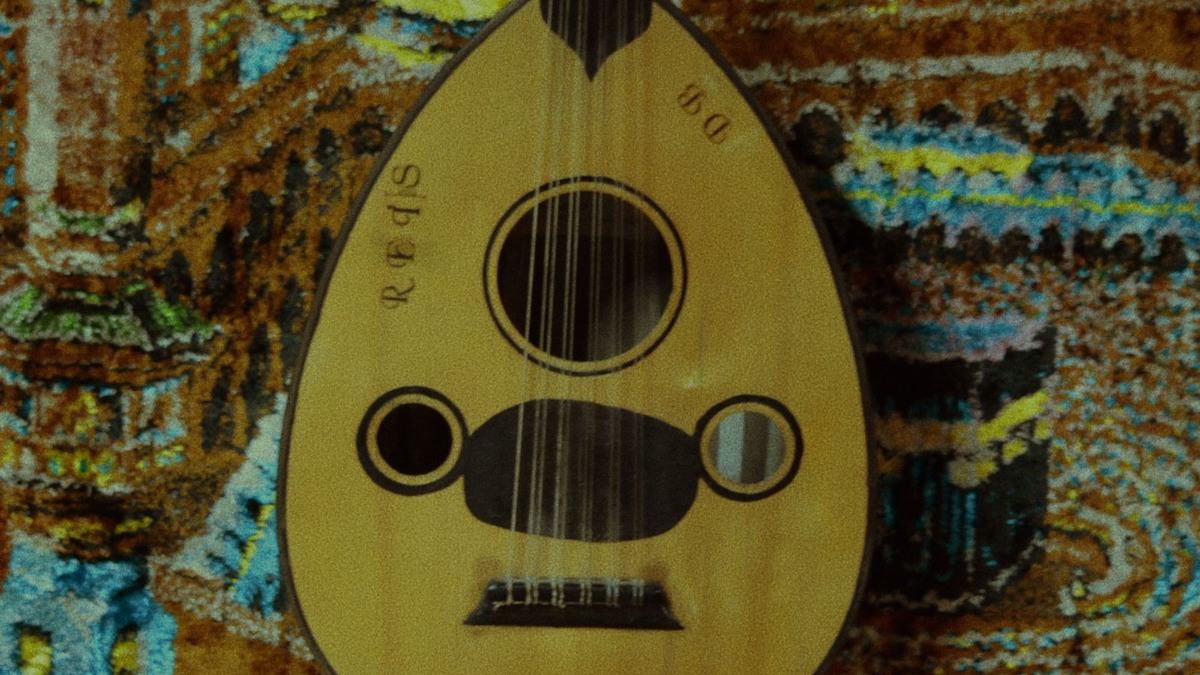
The scheduled evening and what to confirm
Bahrain Tourism’s festival programme lists Dar Shabab Al Riffa Band at Dar Al Riffa on Saturday, 7 November, with doors at 7pm and the performance at 8pm. Bahrain This Month’s event page corroborates the date and 8pm start. The official programme identifies traditional forms including Darza, Marboo’a and Mujailisi. These are programme details available before the event; the final running order, performance quality and audience response cannot be reported in advance.
Before travelling, check the current organiser or ticketing instructions for admission, the exact entrance and any changes. A published start time is useful, but it does not confirm that every access arrangement will suit a particular visitor. Anyone requiring step-free access or another specific service should ask directly. The sources reviewed do not justify inventing a ticket price, guaranteed seating arrangement or transport timetable for the evening.
Begin by hearing the group rather than naming everything
A first encounter with a musical tradition can create pressure to identify every style immediately. That is unnecessary. Start by noticing how the performance is organised: when a voice enters, how others respond and how the sound changes across a passage. The purpose is to develop attention before reaching for an explanation. This listening approach does not claim that every piece in the forthcoming programme will use the same structure.
Try following one part of the music for a short period, then listen to the whole group again. Notice whether your perception changes when you attend to rhythm, voice or the spaces between phrases. These are observations a visitor can make without pretending to possess specialist knowledge. If a programme note or presenter explains a form, use that information to refine what you hear rather than assuming that an unfamiliar sound has an obvious meaning.
A live performance can reveal work hidden by a recording
In a live setting, listeners can observe coordination as well as hear sound. A glance, an entrance or a pause may draw attention to the group’s shared timing. That does not allow an audience member to infer a complete rehearsal process or personal history, but it can make the collective work more visible. The performance becomes an occasion to notice how people sustain an experience together, rather than a soundtrack to another activity.
This is also a reason to limit phone use. A short recording may preserve a memory where recording is permitted, but repeatedly framing a screen divides attention. Follow the venue’s rules and respect other listeners’ view. A useful personal record might be a few notes after the concert: the moment that caught your attention, a question you would like answered and a feature you would recognise if you heard it again.
Heritage is easier to understand when the setting matters
A named tradition can become distant when it is presented only as a label. Seeing artists perform in a particular place brings the subject back to people and practice. Visitors need not turn that experience into a grand claim about an entire country. One evening offers a limited encounter with a living art. Its value can lie in a more precise appreciation of what was heard and of the questions that remain.
For a wider cultural weekend, connect the performance with an experience that encourages the same careful attention. Our Pearling Path guide reads Muharraq through the relationship between work, buildings and the sea. It does not establish the history of every musical form in this concert, and visitors should not force a connection the sources have not made. It does offer a complementary habit: understand a place through relationships rather than through isolated labels.
Make room for different levels of familiarity
A group attending together may include people who know the repertoire and others hearing it for the first time. That difference can enrich the evening if explanations are offered without overwhelming the performance. Beforehand, ask what each person is interested in noticing. Afterwards, compare specific moments rather than trying to agree on a single verdict. A newcomer’s question and an experienced listener’s memory can both deepen a conversation.
Families should also think about the length and timing of an evening performance in relation to the people attending. Prepare enough context to create interest, but avoid demanding that children display knowledge they do not yet have. Ask what they noticed rather than testing recall. Confirm the venue’s current age and admission rules directly; this preview does not assume that a general event listing establishes suitability or access for every family.
A preview should lead to attention, not a prewritten verdict
The festival listing gives readers a concrete opportunity for 7 November. What the concert will feel like, which passages will stand out and how the programme will unfold remain matters for the performance itself. Good advance coverage should prepare an audience to notice more, not manufacture the enthusiasm or critical judgement that would belong in a later review. It should also preserve the distinction between a scheduled appearance and a completed event.
For residents and visitors choosing a cultural evening, the practical plan is straightforward: verify the current arrangements, arrive with time to settle and choose a few things to listen for. Let the performers establish the experience. Bahrain’s folk heritage becomes more accessible when it is met with patient observation and informed curiosity, without requiring either instant expertise or a simplified story about what every sound must represent. Gabriel Nicolaev – CyGuru.
Gabriel Nicolaev – CyGuru