
Oman / Living
Oman’s Tsunami Awareness Day Focuses on the Last Link: Turning a Warning into a Practised Response
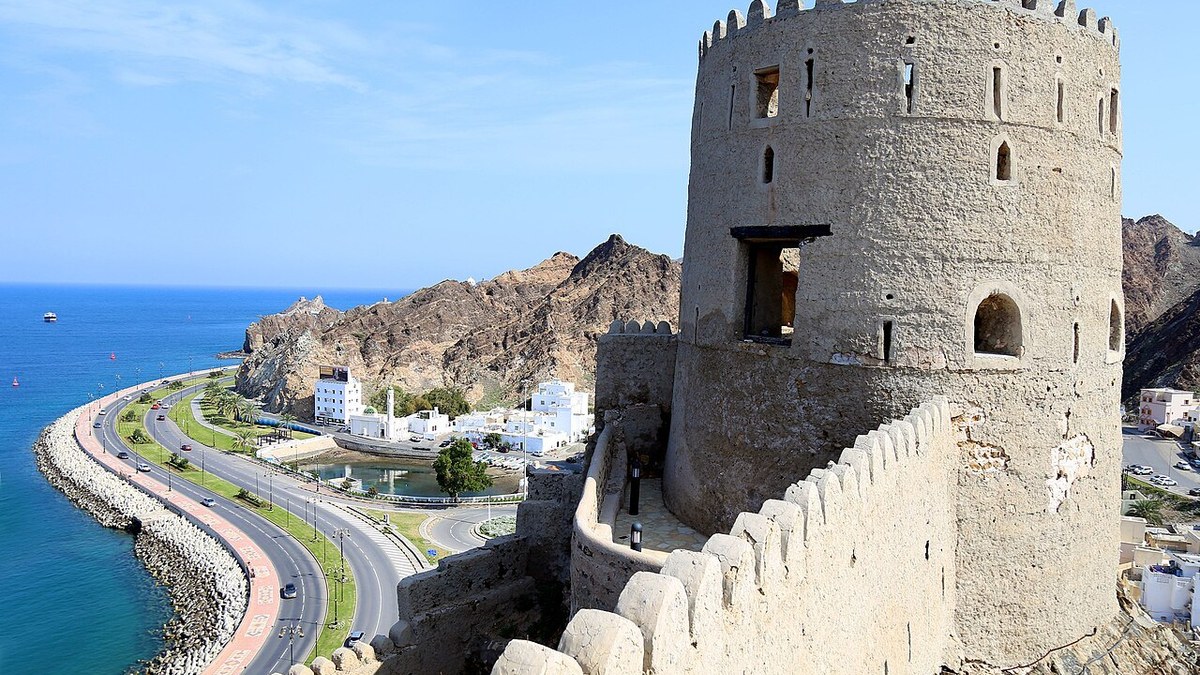
Oman marked World Tsunami Awareness Day on 5 November with an emphasis on community readiness, coastal awareness campaigns and evacuation exercises. This is a preparedness story, not a report of a newly detected tsunami: the useful question is whether people understand what to do when a genuine warning or natural sign appears.
What the 5 November update says
The report describes the Civil Aviation Authority’s work through the National Multi Hazard Early Warning Centre, including monitoring, exchange of real-time information and cooperation with emergency authorities. Awareness campaigns cover coastal communities and schools, with lectures and evacuation exercises. Governorates named include Muscat, North and South Al Batinah, Dhofar and South Al Sharqiyah. The emphasis is preparation and an ability to respond. The annual awareness date does not, by itself, indicate a current tsunami threat. Readers should separate an educational campaign from an operational warning and consult the competent authority’s live channels for any actual hazard information.
Detection and response are different capabilities
An early-warning system can identify and communicate a threat, but people still need a workable response once they receive the information. UNESCO’s Tsunami Ready programme treats preparedness as a community capability, with a voluntary framework of 12 indicators covering assessment, preparedness and response. Its approach links hazard mapping and public information with plans, exercises and reliable channels for receiving and distributing alerts. This is an international framework, not a claim that every Omani community has obtained recognition. It helps explain why today’s local emphasis on education and drills belongs alongside technical investment in monitoring and warning systems.
A map becomes useful when people can follow it
A general lesson from preparedness planning is that a route on paper must be understandable to the people expected to use it. In a hypothetical coastal school, a plan is incomplete if staff know the assembly point but visiting parents do not, or if a route assumes everyone can move at the same pace. That example is a planning question, not a finding about a named Omani school. Exercises offer a way to discover such gaps before an emergency. Their value is partly in exposing confusion, so an imperfect practice run can provide useful information if the lessons are recorded and addressed.
What the meteorology authority advises about natural signs
The Directorate General of Meteorology’s public tsunami guidance says people should leave the coast for inland or higher ground if they feel an earthquake, see water suddenly retreat or hear an unusual roar resembling a train or jet. It cautions against approaching the shore to watch and explains that a tsunami is a series of waves; the first is not necessarily the largest. It also says not to return until the National Multi-Hazard Early Warning Centre declares the danger has passed. These are the authority’s published public-safety instructions, not a new alert issued by this article.
A household conversation can reveal a weak link
For residents, the practical value of awareness can begin with a simple discussion about where official information comes from and how family members would reconnect after following local instructions. The conversation should account for people who may not share a language, a phone or the same daily location. This is a preparedness prompt, not an invented evacuation order or a replacement for the local plan. A family that knows which authority to follow is better positioned to distinguish an official message from a forwarded rumour. During any real incident, current instructions and the circumstances at the location take precedence over a general article.
Why businesses are part of community readiness
A coastal workplace, visitor attraction or accommodation provider cannot assume that every person on its premises understands the surrounding area. Its general preparedness review can ask how staff would communicate official instructions to visitors and who needs assistance. These are operational questions rather than claims that a new legal duty has been announced today. The same logic applies to contractors and shift changes: a plan known only to one manager may be fragile. Training, clearly assigned responsibilities and a method for updating information can help connect a formal plan with the people who would actually need to use it.
Do not measure a drill by speed alone
A quick exercise can look successful while leaving important questions unanswered. Did participants understand the message, was everyone accounted for and did the instructions reach people outside the main group? Those are proposed questions for a review, not published findings from today’s campaigns. A thoughtful debrief would distinguish a communication gap from a route problem or a lack of role clarity. Each suggests a different correction. Counting participants can show reach, but understanding what they learned is a stronger guide to readiness. The purpose is a reliable response under pressure, rather than a photograph of orderly movement during a scheduled event.
The lasting point of the awareness day
The news from 5 November is that preparedness remains an active part of Oman’s coastal risk-management work. Monitoring technology, inter-agency coordination and community understanding serve different functions within the same chain. None should be mistaken for proof that a disaster is imminent, or for a guarantee that risk has disappeared. The useful next evidence would be what exercises reveal, how plans are improved and whether official messages can reach the people who need them. Awareness becomes resilience when that knowledge is understandable, rehearsed and maintained beyond a single annual date.
Gabriel Nicolaev – CyGuru