
Kuwait / Living
Abdullah Al-Salem University’s UK Talks Put Research Partnerships Before New Programme Promises
Abdullah Al-Salem University and Britain’s ambassador discussed academic and research cooperation at a 3 November meeting, reported more widely on 4 November. Artificial intelligence, innovation and research-led enterprise are priorities; the announcements do not establish a new degree, scholarship or funded project.
The meeting and the date behind the news
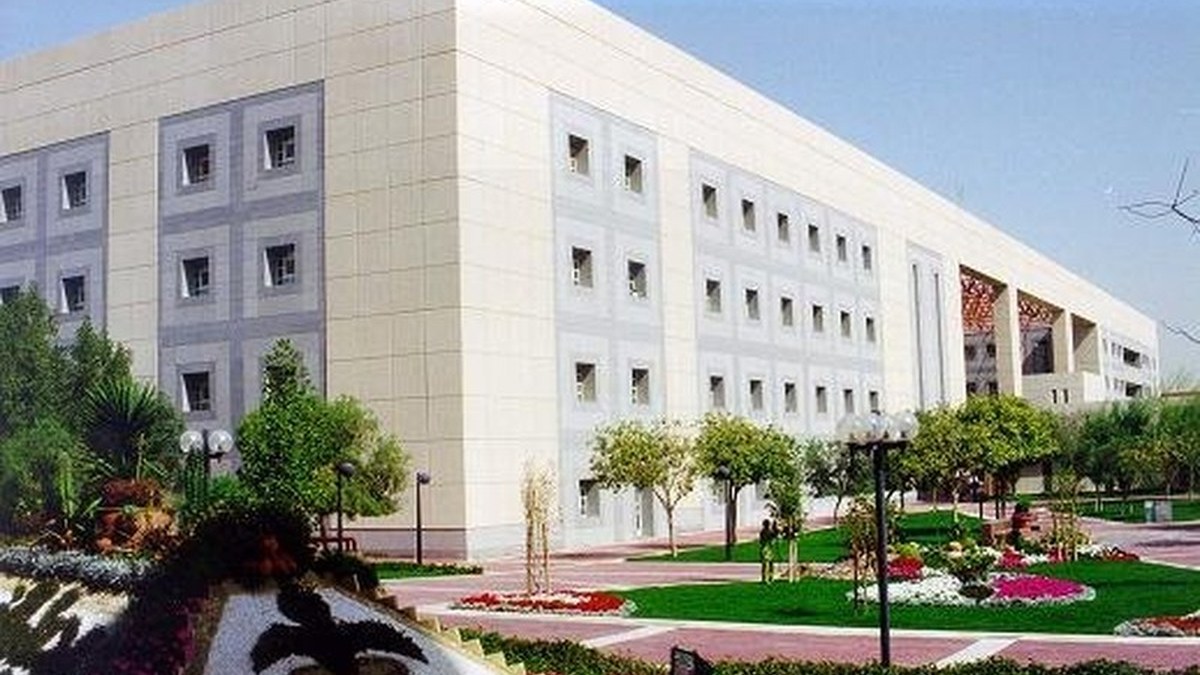
Abdullah Al-Salem University President Dr Mouna Al-Ahmad received British Ambassador Qudsi Rasheed at the Khaldiya campus on Tuesday, 3 November, according to the university’s official announcement. Kuwait Times reported the discussion on 4 November. Keeping those dates separate avoids presenting a recently published account as a meeting held today. The discussion concerned closer academic and research cooperation with British institutions.
The university identified artificial intelligence, innovation and the conversion of research into entrepreneurial projects among its priorities. The announcement expresses an intention to expand cooperation. It does not name a newly approved joint qualification, confirm funding for a particular research project or provide a student application timetable. Those outcomes would require separate, specific announcements.
What a research partnership must actually organise
An academic relationship becomes operational when participants agree on a question, the work each team will do and the resources needed to complete it. A shared field of interest can start a conversation, but it does not by itself establish a research programme. The useful next step is a defined activity with named responsibility and a realistic route to producing results.
This is analysis of what would turn the reported discussion into delivery, rather than a description of an agreement already signed. Depending on the activity, teams may need to settle supervision, access to facilities, data handling and publication arrangements. Clarifying these matters early reduces the risk of discovering incompatible expectations after researchers have begun investing time.
AI cooperation needs a precise problem
Artificial intelligence is broad enough to describe very different kinds of academic work. A project could study a method, test a tool in a defined environment or examine how people use a system. Each requires different evidence. A productive proposal therefore explains what is being investigated and how success or failure would be recognised, rather than relying on the technology label to establish importance.
For a university, the educational benefit also depends on who participates. Student involvement can be valuable when learners have appropriate supervision and a task they can meaningfully complete. Participation should not be confused with independent expertise. A well-defined role allows a student to contribute while making clear which decisions remain with qualified researchers and academic supervisors.
From a paper to an enterprise is another step
The official statement’s reference to entrepreneurial projects raises a second transition. Research can produce knowledge without producing a business. A potential enterprise must establish who would use the result, what problem it solves and whether the proposed solution can be delivered reliably. Commercial relevance is something to investigate, rather than an automatic consequence of publishing a paper.
The Kuwait Cultural Office in London’s student-achievement archive provides background evidence of Kuwaiti researchers engaging with British academic and innovation settings. It includes an April 2026 entry describing selection for the ICURe Discover programme to explore commercial potential. That example is separate from this week’s university meeting; it is not evidence that the new talks have already created a comparable programme.
Institutional growth and academic quality
The university’s announcement describes a young institution developing knowledge-economy disciplines. For any growing university, international links can widen access to experience, but the value lies in how that experience improves teaching or research. A visiting delegation and a continuing academic relationship are different levels of engagement, with different demands on staff time and institutional support.
Useful follow-up questions include whether faculty teams have identified a shared project, whether supervision arrangements are documented and whether students receive a clear description of any opportunity. These questions do not imply that the meeting was insufficient. They provide a way to judge progress without treating a diplomatic conversation as proof of educational outcomes that have not yet been measured.
What prospective students should verify
Students considering future opportunities should wait for the university’s formal notices on eligibility, recognition, selection and costs. A general announcement about international cooperation does not change admission requirements or guarantee access to a British institution. If a later opportunity involves study abroad, its academic and financial terms need to be read independently of the publicity surrounding the original meeting.
The same care applies to researchers approaching a prospective partner. A concise proposal linked to a relevant academic team is more useful than assuming an embassy-level conversation creates an open funding call. Unless the institution publishes one, there is no basis here to claim that applications are being accepted or that a particular number of places is available.
The evidence that would mark the next stage
The next substantive development would be a named collaboration, a defined academic activity or a confirmed project with scope and responsibilities. A timetable would make the intention easier to evaluate, while subsequent results would show what the relationship contributed. Reporting should preserve each stage: discussion, agreement, implementation and outcome are connected, but they are not interchangeable.
For Kuwait, the news is the university’s effort to connect its development agenda with international academic expertise. The opportunity is credible as an area of work; its eventual scale remains to be established. A clear account can recognise that potential while keeping current evidence distinct from future ambition. The meeting is a starting point for cooperation, and the next announcement will determine how that starting point develops. Gabriel Nicolaev – CyGuru
Gabriel Nicolaev – CyGuru
Sources & further reading
Abdullah Al-Salem University — Official meeting announcement, 3 November 2026
Kuwait Times — Academic cooperation report, 4 November 2026
Kuwait Cultural Office London — Student achievements, historical background
Related on MyGCCNews
Choosing a Home in Kuwait: Test the Routine Before Choosing the View
Starting a Business in Kuwait: Understand the Route From Buyer to Payment