
UAE / Explore
Sharjah Establishes Harun Al-Rashid Award Across Science, Literature, Arts and Biography
Sharjah’s Ruler issued a decree establishing the Harun Al-Rashid International Award, according to official emirate reporting on 4 November. Its four fields bring scientific achievement, literary and artistic creation, and rigorous study of notable figures into one institution, with a board responsible for assessment rules, award cycles and financial prizes.
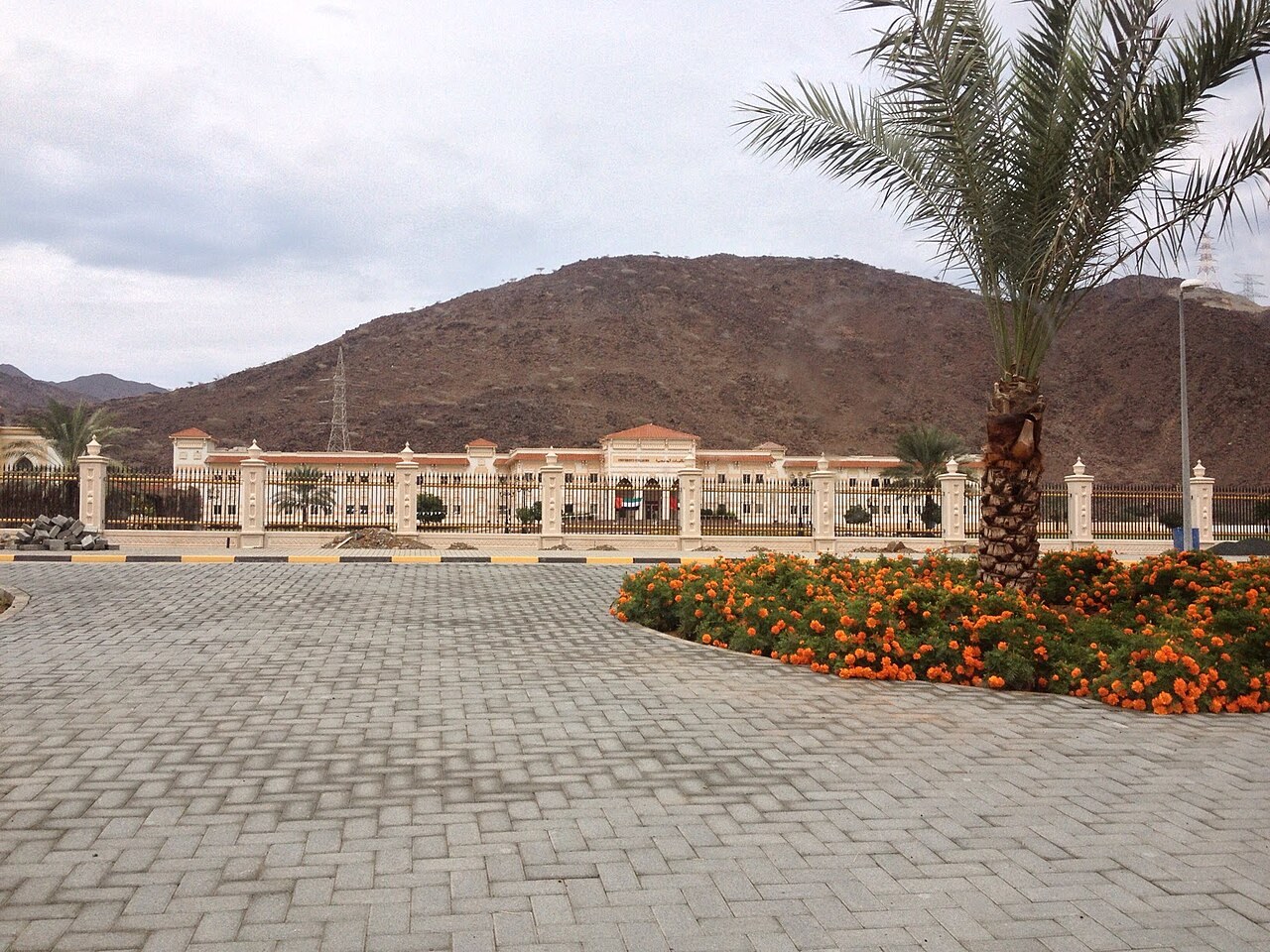
An institution, not simply a new category
Sharjah24 reports that Sheikh Dr Sultan bin Mohammed Al Qasimi issued an Emiri Decree establishing and regulating the Harun Al-Rashid International Award for Sciences, Literature, Arts and Notable Figures. The award is described as a periodic honorary institution with legal personality, administrative and financial independence and the capacity to carry out its objectives. Its stated purposes include recognising lasting contributions, supporting research and creativity, preserving cultural and scientific memory and encouraging exchange between civilisations. The announcement establishes an institutional framework. It does not name inaugural winners or publish an application deadline, prize amount or complete entry portal.
Four fields with different forms of evidence
The decree’s fields are sciences, literature, arts and studies of notable figures. The first includes theoretical and applied contributions; the literary field encompasses creation, criticism and scholarly editing; the arts field spans visual, auditory and performing work. Studies of notable figures explicitly include biographies, documentation and historical and scholarly verification concerning Arab and non-Arab figures. This range is important because a research paper, an edited text and a performance cannot be evaluated through identical evidence alone. The common ambition is lasting contribution; the practical assessment still needs to respect what achievement means within each discipline rather than flattening them into one popularity contest.
Biography receives a specific institutional place
The dedicated notable-figures field gives life writing a clear place beside science and creative production. Our analysis is that this can reward work that explains how a contribution was made, not merely celebrates an already famous name. A serious biography distinguishes contemporary records, later recollections and the author’s interpretation. Where accounts conflict, the disagreement itself may deserve explanation. That approach can preserve the complexity of a life without turning every uncertainty into a sensational claim. The new award has not yet published the detailed assessment framework in the material reviewed here, so these are editorial observations about the field’s significance, not invented judging requirements.
The board’s remit makes governance part of the news
The WAM-distributed decree account says the Board of Trustees is chaired by the Ruler, with members appointed for renewable four-year terms. Its responsibilities include approving evaluation criteria, relative weightings and scoring, participation conditions, each cycle’s timetable, judging and verification teams, winners and financial awards. The account also refers to impartiality and conflicts of interest. Those provisions make governance central to the story. An award’s reputation depends not only on the prestige of its title but on whether readers and participants can understand how a decision was reached. Detailed implementation notices will show how the institutional powers are used in practice.
Historical memory needs access to sources
Preserving memory is more useful when another reader can follow the evidence. A study may identify an overlooked scientist, recover a literary exchange or explain the context of an artistic movement. Its value grows when archives, references and uncertain attributions are documented clearly. Digital availability can help discovery, but an online copy should not be mistaken for proof that an object’s origin or authorship is settled. This is particularly relevant to cross-cultural work, where names, dates and texts may appear in several languages. The award’s international scope makes careful translation and source description as important as a compelling narrative about the person being studied.
Recognition and support have different effects
An honorary award can make a body of work more visible to publishers, researchers, institutions and audiences. That visibility can create further discussion without automatically producing a research grant, publishing agreement or exhibition. Those outcomes require their own decisions. Authors and cultural organisations should therefore read future participation notices for the actual benefits and obligations rather than infer them from the institution’s ambitions. The useful connection is between recognition and the continued circulation of knowledge: whether a reader can obtain the work, understand why it matters and examine the contribution for themselves. A ceremony can draw attention; the work needs to remain accessible afterwards.
What potential participants should prepare now
The announcement gives interested researchers and creators a reason to organise their existing records, not to assume that submissions are already open. A dated publication list, a clear account of individual contributions and accurate rights information are useful independently of any competition. Collaborations should identify the roles of different contributors without appropriating a team’s output as one person’s achievement. When official entry rules appear, that evidence can be checked against the actual eligibility and assessment criteria. Until then, a third-party invitation claiming guaranteed nomination or a fixed award payment should be tested against the authorised institution’s own published information.
The first cycle will give the framework practical meaning
Future official notices should clarify the cycle, nomination or application route, eligibility, assessment arrangements and awards. The decree report already identifies who has responsibility for approving those matters, which makes the subsequent documents important for accountability. For Sharjah, the verified development is a new institution connecting several forms of knowledge and cultural contribution. Its distinctive feature is not simply another prize name: biography and verified study of notable figures are expressly placed alongside science, literature and art. Following the inaugural cycle through its published procedures will be more informative than assuming either immediate international influence or a particular outcome before the first decisions are announced.
Gabriel Nicolaev – CyGuru
Sources & further reading
Sharjah24: official emirate account of the decree, 4 November 2026
WAM-distributed decree account via Pakistan Point, 4 November 2026
Arabic decree account via UrduPoint, 4 November 2026
Photograph source, creator and archive date
Photograph reuse licence: CC BY-SA 4.0