
UAE / Business
ADNOC Gas and EtihadWE Explore Fuel Supply for New Northern Emirates Power Capacity
ADNOC Gas and Etihad Water and Electricity announced an agreement on 4 November to explore gas supply for future power generation in the Northern Emirates. The development connects a utility’s planned generation portfolio with a gas producer expanding processing and pipeline infrastructure, while leaving the eventual volumes and project timetable to be established.
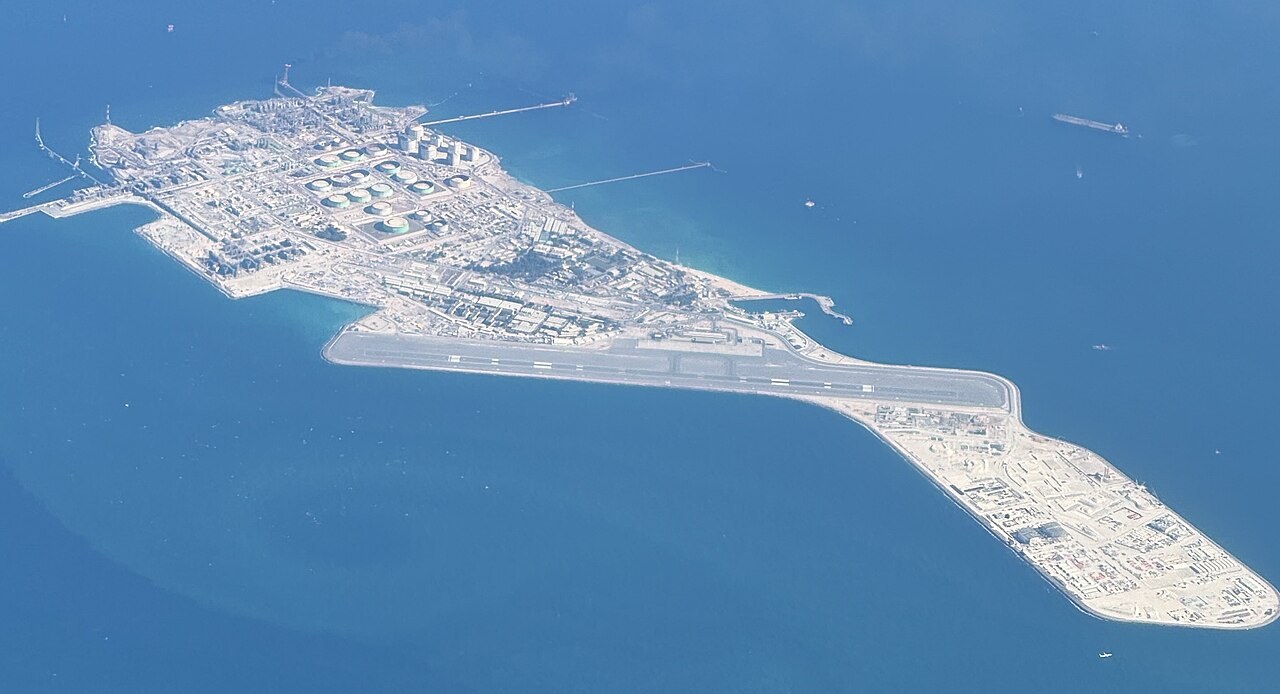
The agreement’s stated scope
WAM’s 4 November report says ADNOC Gas and its subsidiaries have agreed with EtihadWE to explore future natural-gas supply arrangements for additional generation capacity in the Northern Emirates. Energy and Infrastructure Minister Suhail Al Mazrouei witnessed the signing. EtihadWE chief executive Yousif Al Ali describes a portfolio combining gas-fired and renewable generation; ADNOC Gas chief executive Fatema Al Nuaimi links the collaboration to connecting expanding supply with customers. The announced scope is exploratory. No contracted gas volume, price, plant capacity or commissioning date is provided in the report. Those omissions should remain visible when the potential electricity benefit is discussed.
Supply growth has a documented industrial background
The agreement arrives within an existing investment programme, rather than beginning from an empty infrastructure map. ADNOC Gas’s 10 August results announcement records final investment decisions on Rich Gas Development phases two and three, approximately US$8.2 billion in related EPC contracts and a planned US$28 billion investment programme for 2026–2030. The company also increased its targeted EBITDA growth to 60 per cent by 2030 against 2023. These August disclosures provide background, not new financial commitments announced on 4 November. A potential customer relationship matters because processing investment and a dependable outlet for additional gas have to develop together.
Processing and transport solve different problems
Rich Gas Development is intended to enlarge processing capability, while the Estidama programme modernises and optimises the pipeline network, according to the current reports. The distinction explains the industrial logic of the announcement. Producing a usable gas stream and delivering it to the place where a generator needs it are separate requirements. Our analysis is that additional processing alone cannot demonstrate the readiness of a particular delivery point. Equally, a pipeline connection has limited commercial meaning without an agreed customer requirement. The useful project question is where the physical and contractual interfaces meet, not simply how large the supplier’s total investment programme appears.
Electricity planning is about the shape of demand
A utility needs to consider when power is required, not only the annual total consumed. Homes, services and industrial operations create different patterns across a day, and generation assets must be coordinated with the wider system. This is general power-system reasoning, not a newly disclosed EtihadWE forecast. It helps explain why the utility describes a balanced portfolio rather than one technology alone. To evaluate a later project announcement, readers would need the proposed operating role of the plant, its connection arrangements and how it complements other supply. A megawatt figure without that context would reveal less about reliability than the headline suggests.
Domestic fuel and renewable generation need not be competing headlines
EtihadWE’s stated combination of gas-fired and renewable generation invites examination of how the technologies work together. The relevant analysis concerns availability, operating flexibility and the requirements placed on the system, rather than treating every gas agreement as a cancellation of renewable development. The 4 November announcement does not quantify a change in the utility’s energy mix. It also provides no emissions measurement for the prospective arrangement. Readers should therefore avoid attaching an invented carbon-saving figure to the agreement. A credible environmental assessment would need the actual plant configuration, fuel use and operating profile, with clearly identified comparison assumptions.
What businesses in the region can reasonably infer
For an industrial company considering the Northern Emirates, the news signals coordination between a prospective fuel supplier and a utility. It is not an individual connection offer or a guarantee of power availability for a particular site. A factory’s planning process still needs confirmation from the relevant utility about its own load, location and required date. The distinction is commercially important: a national-scale agreement cannot substitute for project-specific infrastructure checks. Existing businesses can follow subsequent official announcements for concrete generation and network developments. They should not rewrite their operating assumptions from the agreement alone, especially where a production schedule depends on a firm connection commitment.
The commercial questions behind long-term supply
A mature supply arrangement must connect the quantity and quality of fuel with delivery obligations and the buyer’s operating needs. Interruptions, maintenance and changes in demand need treatment within the relevant agreements. These are ordinary commercial issues, not terms this article claims the parties have already negotiated. Their relevance is that both sides are investing in assets whose usefulness extends over many years. For the supplier, recurring domestic demand can support utilisation of infrastructure. For the utility, a dependable fuel route can support generation planning. The eventual public disclosures will determine how far this prospective relationship develops into a defined and executable commitment.
The next reporting priorities
The next substantial updates would identify the projects covered, delivery arrangements and implementation stages. WAM and TradeArabia presently establish an agreement to explore future supply; they do not establish an operating plant built under it. The development is still meaningful because it connects two sides of the UAE’s energy investment story: additional gas infrastructure and electricity requirements in a growing region. Following the physical and commercial links will produce a clearer account than treating fuel, pipelines and generation as separate announcements. For now, the confirmed step is cooperation on future arrangements, with detailed commitments still to be disclosed.
Gabriel Nicolaev – CyGuru
Sources & further reading
WAM: ADNOC Gas–EtihadWE agreement, 4 November 2026
TradeArabia/OGN: scope and infrastructure, 4 November 2026
ADNOC Gas: Q2 results and growth investment decisions, 10 August 2026
Photograph source, creator and archive date
Photograph reuse licence: CC BY-SA 4.0