
Saudi Arabia / Sport
AFC Moves Saudi Asian Cup to December 2027–January 2028, With FIFA Approval Pending
The AFC has announced a new December 23, 2027–January 21, 2028 window for the Asian Cup in Saudi Arabia, replacing January 7–February 5, 2027. Its November 3 statement says the revised dates will be submitted to FIFA for approval, creating a new planning horizon for teams, supporters and organisers.
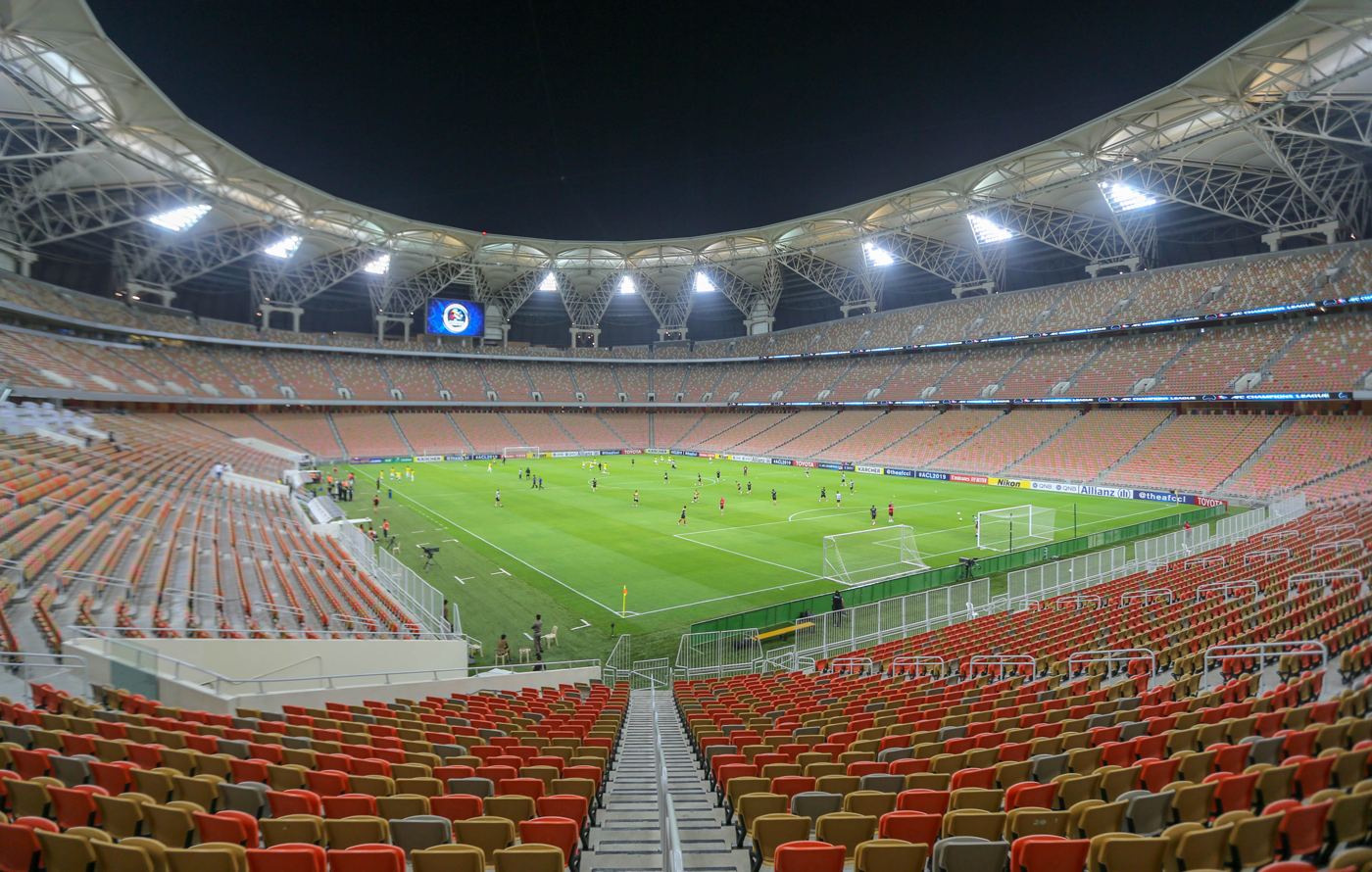
The decision and its approval status
The AFC’s Organising Committee approved the rescheduling after consultation with the Saudi Arabian Football Federation and the Local Organising Committee. The confederation cited exceptional regional circumstances, logistical complications and travel disruption. The postponement decision and the proposed replacement dates are therefore clear, while the statement explicitly preserves a further FIFA approval step.
For readers following the competition, those two points belong together. The original January tournament window should no longer be treated as the operative plan. Equally, the replacement dates should be described with the approval qualification until a subsequent official announcement resolves it. A headline date without that context could encourage assumptions that go beyond the decision actually published.
The host remains Saudi Arabia
SPA’s November 3 account confirms Saudi Arabia as host and reports that the AFC will work with the Saudi federation, local organisers, participating associations and partners on the transition. The announcement changes the timing of the competition. It does not announce a replacement host or a new tournament award.
That distinction matters because postponement, relocation and cancellation have different consequences. Here the task is to reorganise delivery around a later window. The published statement does not supply a complete revised match-by-match schedule, ticketing timetable or operational calendar. Those details should come through subsequent organiser communications rather than being inferred from the new opening and closing dates alone.
Preparation now has a different purpose
A tournament pushed back by almost a year changes the purpose of the camps immediately ahead of its former start. Coaches can still use those gatherings to assess players and develop combinations, but they are no longer necessarily the final rehearsal for a January championship. Selection decisions made now should not be confused with a settled squad for the rescheduled event.
For a national team, the extra interval introduces opportunities as well as uncertainty. Players can improve, lose form, recover from injury or face new competition for places. These are consequences of the longer planning horizon, not forecasts about any named player. The useful coaching question becomes which work remains valuable across that interval and which decisions should be revisited closer to the tournament.
November friendlies are a separate calendar
Reuters reported after the postponement that Football Australia still intended to play its November friendlies against Qatar in Doha and Jordan in Amman. That is an important practical distinction: moving the Asian Cup does not automatically cancel every preparation fixture associated with it. Each national association’s current match announcement remains the reference for its own games.
The earlier Football Australia announcement placed the Qatar fixture on November 13 local time, corresponding to November 14 in eastern Australia, and the Jordan match on November 17 local time. Readers comparing reports should check the time zone before interpreting different dates as a schedule change. The earlier description of those games as final preparations for a January Asian Cup has, however, been overtaken by the new tournament decision.
Supporters need booking-specific answers
For supporters who arranged travel around the original dates, the immediate task is to review each booking’s terms and any direct communication from its provider. The AFC statement does not create a universal refund rule for flights, hotels or travel packages. A tournament decision and a customer’s individual contract are separate pieces of information.
Keep the original confirmation, payment record and any change notice together before contacting the seller. Ask whether the booking can be moved, credited or refunded under its actual conditions, and obtain the answer in writing. This is practical booking guidance rather than a statement of legal entitlement. Avoid replacing one uncertain arrangement with another until the revised event and the relevant product details are confirmed.
Commercial planning must follow the revised programme
For hotels, transport operators and event suppliers, the new window changes when tournament-related demand might arrive. It does not establish how much demand any individual business will receive. A company that planned staffing or inventory around January should distinguish confirmed contracts from expected trade before changing its commitments.
The same discipline applies to sponsors and broadcasters. A new tournament window requires coordination, but the public announcement does not disclose renegotiated commercial terms. The useful next information will be specific: revised deliverables, confirmed service dates and updated match scheduling. Those details can support operational decisions more reliably than a broad assumption that every existing arrangement simply shifts forward by the same number of months.
What to watch next
The next decisive update is the outcome of the FIFA approval process, followed by the detailed arrangements that put the revised window into effect. Until then, retain the distinction between the announced tournament period and the individual fixtures, bookings and services that depend on it. Each needs its own current confirmation.
The sporting story has moved from a short countdown to a longer preparation cycle. For Saudi Arabia and the participating teams, the challenge is to preserve useful work while resetting decisions that were tied to the old deadline. For supporters, a clear record of dates and booking conditions will be more useful than treating an early announcement as the final operational plan.
Gabriel Nicolaev – CyGuru