
Qatar / Sport
Asani’s Stoppage-Time Goal Denies Al Shamal a Point Against Esteghlal in Basra
Al Shamal’s Asian Champions League Elite momentum was checked on November 3 as Jasir Asani scored in stoppage time to give Esteghlal a 1–0 victory in Basra. The Qatari side had arrived after beating Al Hilal, but left without a point from a match that remained level into its final minutes.
A late change to the points
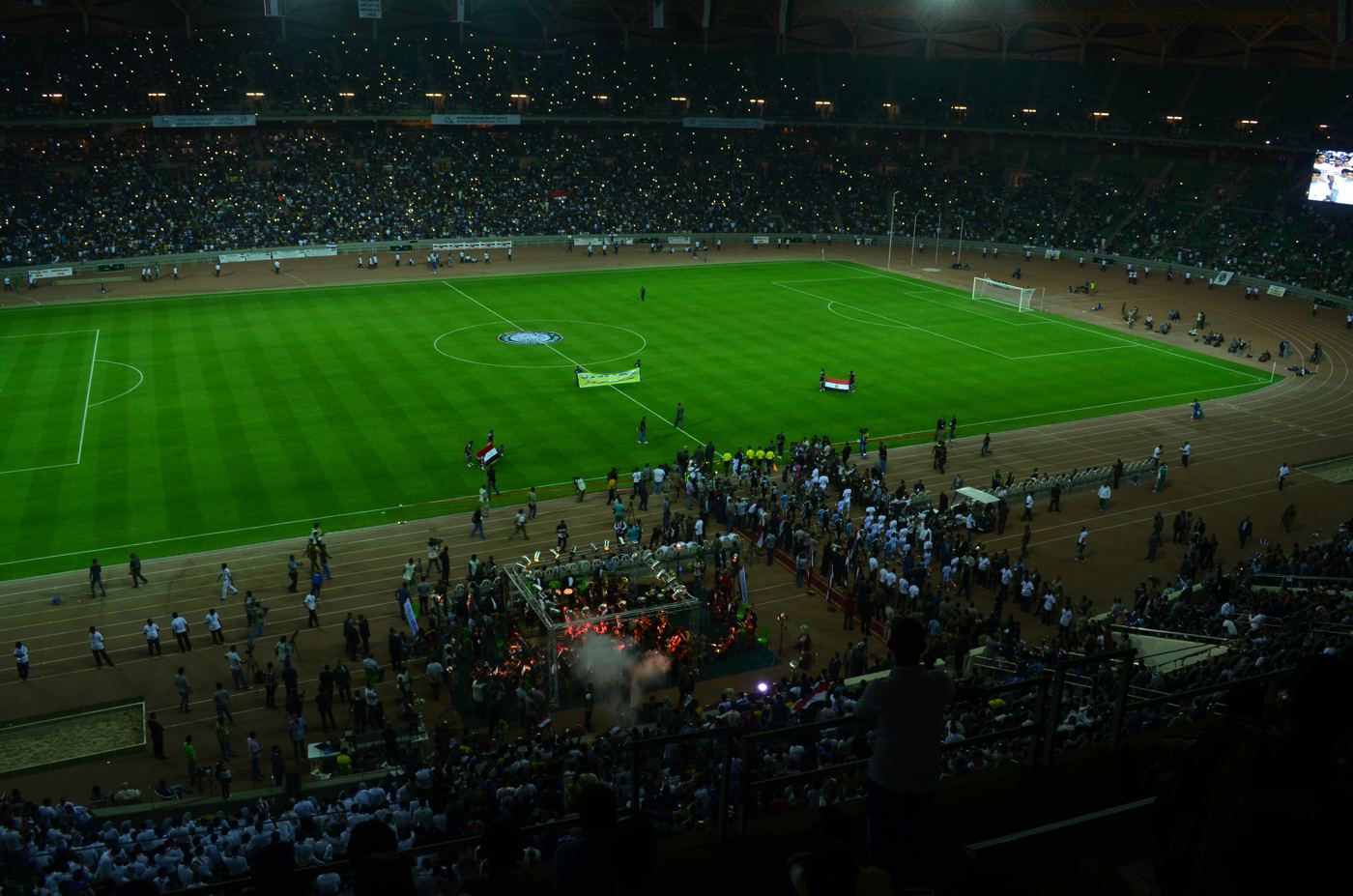
The AFC’s November 4 report confirms the result and the timing of the decisive strike. Esteghlal recovered from their previous defeat to Shabab Al Ahli, while Al Shamal could not follow their Matchday Three victory over Al Hilal with another positive result. The match was played in Basra, an important location detail when following an Iranian club’s home fixture.
The immediate consequence for Al Shamal was the difference between a drawn match and a defeat. A side can defend successfully for most of an evening and still leave with nothing if the final phase is lost. That is the narrow margin illustrated by this result; it does not mean that the preceding performance should be assessed only through the final score.
Bounedjah had opportunities before the break
Gulf Times reports that Habib Far Abbasi repeatedly denied Baghdad Bounedjah before half-time, including after Mohamed Ben Romdhane supplied the striker. Al Shamal had chances to score before the decisive late goal.
The relevant analytical distinction is between creating an opportunity and converting it. A team that reaches shooting positions has established one part of its attacking process, but the value on the scoreboard depends on the finish and the opposing goalkeeper. The report supports a discussion of missed chances; it does not, by itself, establish that the attackers lacked commitment or that a particular tactical instruction was wrong.
Seck kept the contest alive
The same account records second-half saves by Babacar Seck before the winner, including an effort from Asani. The goal eventually came from a pass by Mohammadhossein Eslami, and Youssouf Sabaly was subsequently dismissed after a second yellow card. The sequence matters: the dismissal followed the goal, so it cannot explain how Esteghlal took the lead.
For Al Shamal, the goalkeeping contribution and the late concession should be evaluated separately. Saves can preserve a chance of taking a point while also indicating that opponents are reaching threatening positions. Neither observation cancels the other. A useful review asks how those situations developed and what could reduce their frequency, rather than turning the final goal into a blanket judgement on the goalkeeper’s evening.
A result with a clear scorer and a narrow margin
beIN Sports’ final match page records Esteghlal’s 1–0 win and lists Asani as the scorer in the 91st minute. Other narrative reports describe the finish within stoppage time. The essential verified sequence is consistent: the match remained goalless through normal time and was decided by Asani’s late strike, with no equaliser before the final whistle.
That is enough to explain the result without constructing a possession narrative from incomplete evidence. A late goal does not automatically prove that one side dominated the entire match, nor does a narrow score prove that both teams created identical chances. Keeping the match events and broader interpretation distinct produces a more useful account than projecting an entire ninety-minute pattern from the winner alone.
Why the previous win still matters
Al Shamal’s victory over Al Hilal provides context for the disappointment, but it should not become an expectation that every subsequent opponent will be beaten. Continental competition tests a team across different match situations. Producing a strong result in one round and failing to score in the next can reveal areas to improve without erasing the earlier achievement.
The response should be specific. The chance creation described before half-time suggests material to preserve, while the late concession provides a sequence to examine closely. For supporters, that is a more balanced reading than either declaring the campaign transformed after one victory or dismissing it after one defeat. Consistency is built by repeating the useful parts of a performance and addressing identifiable failures.
Late-game decisions deserve their own review
The final minutes of a level match create competing demands. A team wants to retain an attacking outlet, avoid conceding unnecessary possession and preserve its defensive shape. Reviewing those decisions requires the sequence leading to the chance, including player positions and available passing options. The score alone cannot establish whether a substitution or a more cautious approach would have changed the outcome.
This is an analytical framework for the coaching review, rather than a claim to know Al Shamal’s private instructions. It keeps the focus on decisions that can be examined rather than labels such as complacency or panic. Those psychological explanations are tempting after a stoppage-time loss, but they require evidence beyond the existence of a late goal.
The practical task after Basra
Al Shamal leave this round with a concrete lesson in converting competitive periods into a result that survives the closing minutes. The team’s next selection decisions should also take account of the disciplinary aftermath through the official competition process; the match report alone is not a basis for inventing the length of a suspension.
For readers tracking the campaign, the reliable record is straightforward: a 1–0 defeat in Basra on November 3, Asani’s stoppage-time winner, and a missed opportunity to build on the previous continental victory. The next performance will show whether Al Shamal can retain their attacking threat while improving the management of a match that remains undecided late on.
Gabriel Nicolaev – CyGuru
Sources & further reading
AFC — official match report, 4 November 2026
Gulf Times — match incidents, 3 November 2026
beIN Sports — final score and scorer, 3 November 2026