
Saudi Arabia / Travel
Saudi Arabia Showcases 37 Tourism Partners at WTM London
Saudi Arabia opened its Saudi Land pavilion at WTM London with 37 tourism partners, according to a November 3 official report. The programme links established cities, AlUla and coastal destinations with international travel distributors. For the travel trade, the important task is translating that broad portfolio into journeys whose accommodation, transfers and experiences can actually be booked together.
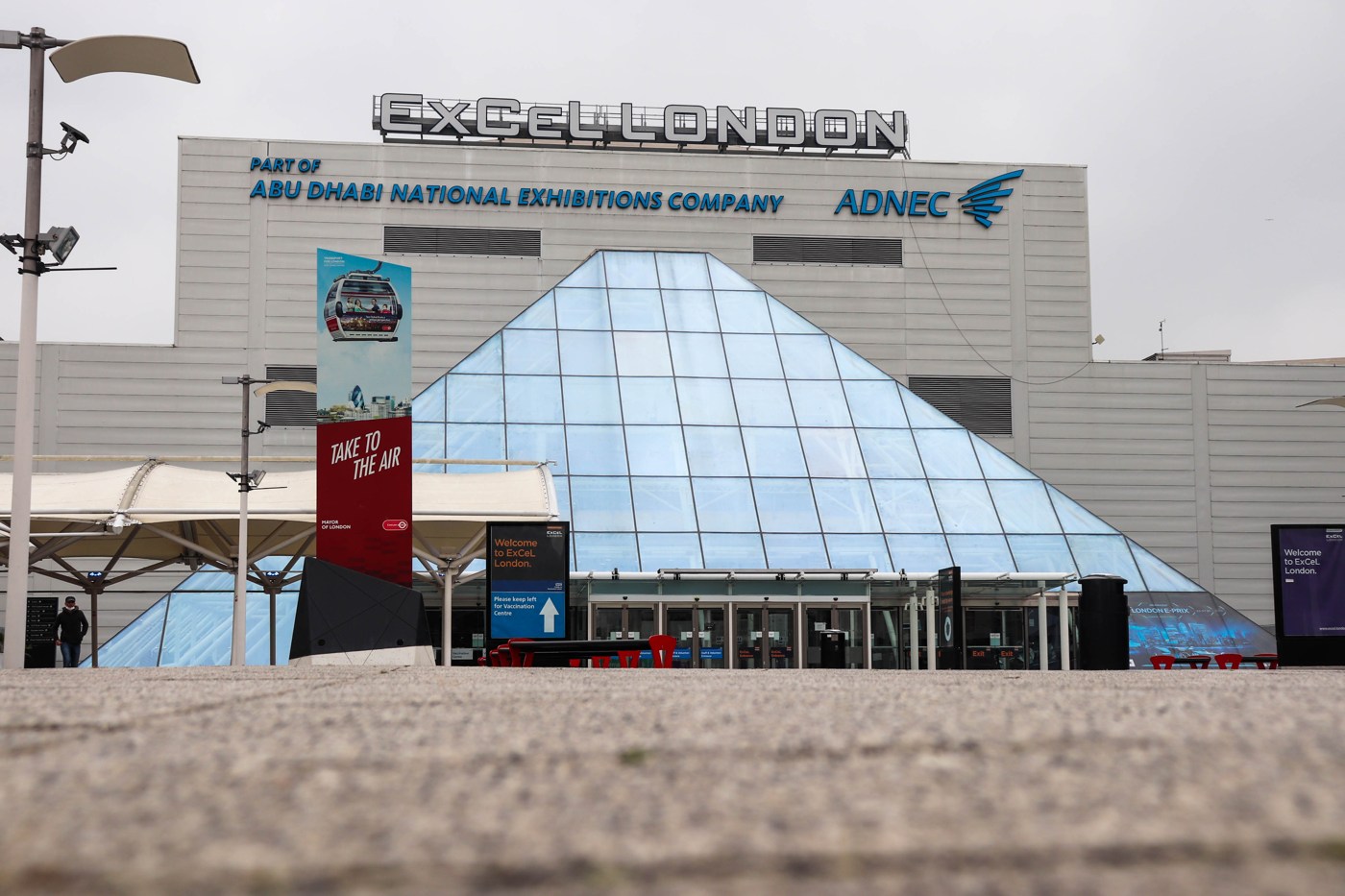
A three-day trade setting with a named stand
Tourism Minister Ahmed Al-Khateeb inaugurated the pavilion alongside Saudi Tourism Authority CEO Ageel Alshaibani, SPA reported. The account describes public- and private-sector engagement with tour operators, airlines and travel distributors. WTM’s official exhibitor directory independently lists the Saudi Tourism Authority at stand S9-200 and dates the London exhibition November 3–5 at ExCeL.
The dates put the current story inside an active business-to-business event, rather than a future consumer festival. SPA says Saudi Land remains open until November 5. A trade appointment at the stand and a holiday reservation are different transactions: the first can establish a commercial relationship, while the second still requires a defined package, seller and set of conditions for the traveller.
The portfolio combines different kinds of travel
The official account names Riyadh, Jeddah, AlUla, the Red Sea and AMAALA among the destinations being presented. Their presence in one pavilion does not make them one interchangeable experience. A city stay, an archaeological visit and a coastal resort can serve different interests and impose different requirements on the itinerary. The benefit of a shared trade setting is the opportunity to connect those components deliberately.
A distributor can begin with the traveller’s purpose and then choose the appropriate combination. Someone seeking a short cultural introduction may need a different route from a guest whose main reason for travelling is a resort stay. Adding every destination can make a brochure look extensive while reducing usable time at each stop. The stronger offer explains why its particular sequence is worth the transfers it requires.
The tourism figures need their stated period
The minister’s figures in SPA’s report refer to the first half of 2026: about 61.2 million tourists, roughly 1% year-on-year growth and tourism expenditure of about SAR151.9 billion. These are attributed figures for a completed half-year. They should not be presented as the pavilion’s visitor count, the number of international guests at one destination or spending generated by the London event.
The stated ambition of 150 million tourists by 2030 is a target with a future date, not the current result. Keeping period and scope visible helps travel buyers separate the scale of a national market from demand for an individual product. A large aggregate can create a reason to investigate distribution, but it does not determine which itinerary, price or accommodation category will attract a particular overseas customer.
Licensed room keys are not an availability search
Alshaibani’s comments describe about 623,000 licensed room keys across hotels, apartments and other accommodation in the first half of 2026, including more than 44,000 in newly licensed facilities. The inclusion of different accommodation forms matters. A national stock of licensed keys is not a list of hotel rooms available to reserve on a given date, and newly licensed capacity is not the same measure as occupancy.
For a tour operator, the usable supply question is narrower: the property, room type, dates, allotment and release conditions needed for the proposed journey. That information determines whether a package can be sold consistently. Buyers should therefore connect the reported capacity expansion to actual supplier terms rather than assume that a large total makes every destination combination equally easy to confirm.
AMAALA is a specific part of the coastal pitch
SPA’s account highlights AMAALA and reports that seven resorts have welcomed guests since June, including properties associated with Four Seasons, Six Senses, Rosewood and Nammos. The claim is part of the authority’s current presentation and is attributed accordingly. It does not establish the inventory, package inclusions or booking conditions at every property for a reader’s chosen dates.
The commercial implication is that the coastal offer needs to be described at property level. A brand name can orient a buyer, but the guest experience also depends on arrival arrangements, what is included and how activities are accessed. Clear details allow a distributor to explain why one stay suits a customer, rather than using the presence of several international brands as a substitute for a defined holiday.
The winter calendar changes sequencing
The presentation also refers to Riyadh Season and Winter at Tantora in AlUla, alongside attractions including Six Flags Qiddiya City and Aquarabia. These references identify the breadth of the trade pitch. They are not, in this article, a confirmation of every performance date, attraction session or admission product. The relevant organiser’s live information remains necessary when a buyer turns a theme into a dated booking.
An event-led itinerary works differently from a flexible city break. If attendance is essential, the event’s confirmed time and location should shape arrival, accommodation and transfer choices. If it is optional, the operator should make that distinction clear in the offer. This avoids a package whose marketing depends on an experience that has not actually been included or whose timing leaves the customer unable to attend.
What should survive the meeting at ExCeL
The most useful output from a trade discussion is an offer that another business can understand and sell accurately. That means a named supplier, a defined product, a period of validity and clear handling of changes. It also means explaining where the proposed Saudi journey begins and ends, rather than leaving transfers between otherwise attractive components to the customer’s imagination.
The 37-partner pavilion creates a concentrated setting for that work. Its lasting significance will be clearer in the quality of the journeys that follow than in the number of introductions alone. For travellers, the benefit arrives when the destination story becomes a coherent, bookable experience. For the trade, the practical challenge is making each promise in that story match the service actually supplied.
Gabriel Nicolaev – CyGuru
Sources & further reading
Saudi Press Agency: Saudi Land inauguration, November 3, 2026
WTM London: official exhibitor directory and event dates
TTN: Saudi tourism partners at WTM, November 4, 2026
Photograph: original file, photographer and licence
Photograph reuse and licensing terms
Photo creator: Delegate Connect