
Saudi Arabia / Living
Tabarjal Opens Seven Municipal Projects Worth SAR23.7 Million
Seven municipal and development projects worth SAR23,689,400 were inaugurated in Tabarjal on November 3. The package spans roads, walking and cycling infrastructure, parks, paving and lighting. Its significance is local and concrete: the projects bring several parts of everyday public space into the same investment programme, while their lasting value will depend on how those parts work together.
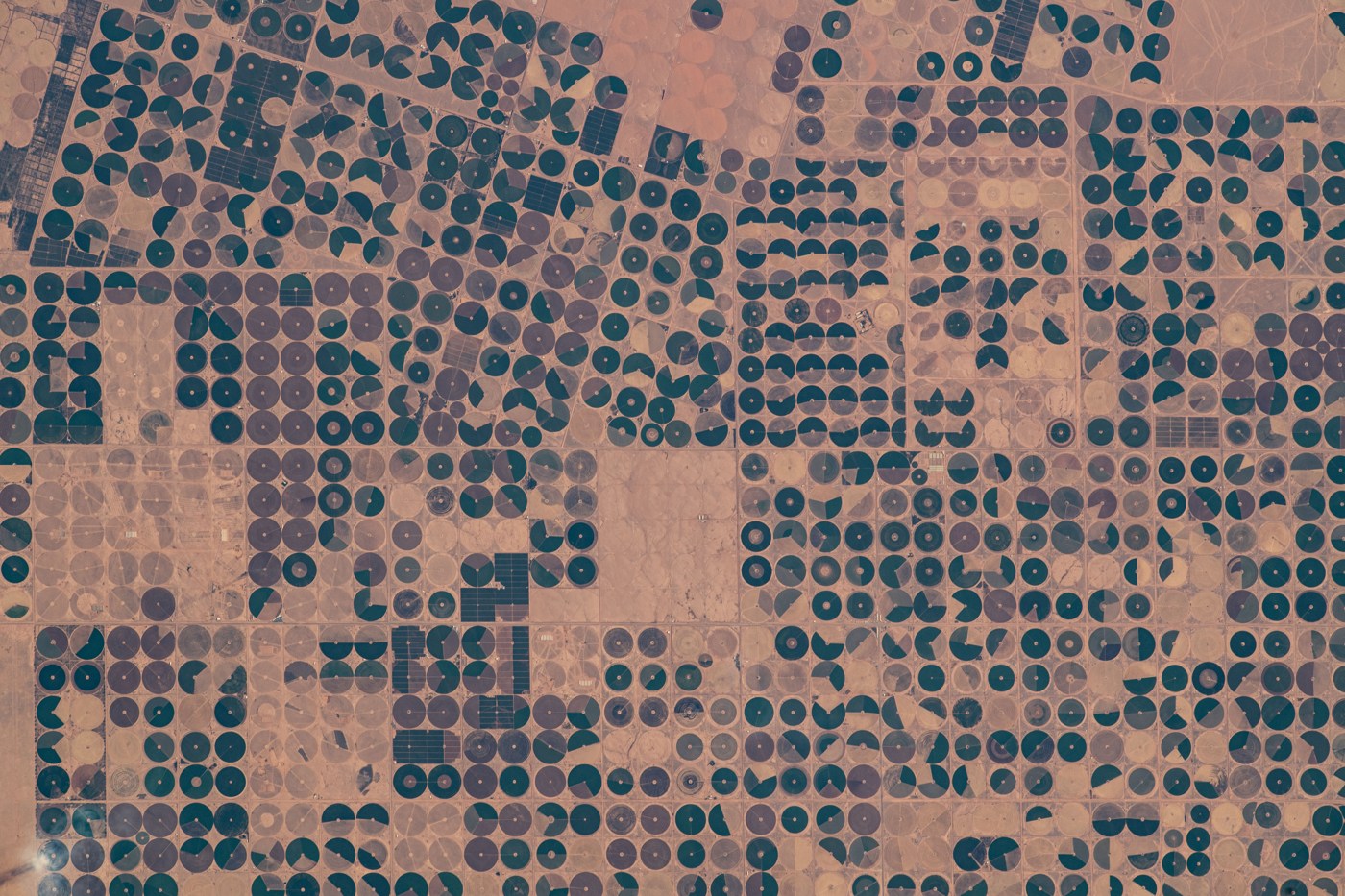
The places named in the announcement
The Saudi Press Agency’s Arabic report identifies the inauguration by Al-Jouf Governor Prince Faisal bin Nawaf bin Abdulaziz during his visit to Tabarjal. Riyadh Daily carries the same project account. The list includes Prince Naif Road improvements, pedestrian walkways and a bicycle path, work on Prince Badr bin Sultan Road and Cairo Road, and rehabilitation of Al-Itisalat Park.
It also covers parks and green spaces in Al-Fayyad and Al-Nabk Abu Qasr, paving in residential areas of Al-Fayyad, and lighting on main roads in the governorate and affiliated villages. These are the announced components. The reports do not supply a street-by-street access map, a measured change in travel times or a separate financial breakdown for every element.
Why the connection between projects matters
A park, a walkway and a road improvement are not automatically one continuous public-space experience. A person still has to travel between them. The analytical question is whether the investment reduces awkward gaps in that journey, particularly at entrances, crossings and the points where one type of infrastructure ends. This is a test for observing the completed environment, not a finding that the announcement proves those gaps have disappeared.
A route can be attractive along its longest section and difficult at one short interruption. That interruption may decide whether a parent uses it with a child, whether an older resident feels comfortable reaching a park or whether a cyclist can continue without an unexpected change in conditions. Looking at the whole trip is therefore more informative than judging each component through a separate completion photograph.
Walking and cycling need legible routes
The inclusion of walkways and a bicycle path gives residents a specific feature to examine. Users need to understand where a route begins, where it leads and how it interacts with motor traffic and other people. A path is more useful when its intended function is evident without requiring a first-time visitor to reconstruct the design from scattered signs or changes in paving.
People also use public space for different reasons. A direct journey to a service, a relaxed evening walk and a recreational ride can create different expectations about pace and stopping. Clear route information and predictable interfaces can make those uses easier to reconcile. The inauguration report does not provide operating rules for a named path, so residents should follow the municipality’s current guidance for the location rather than infer permission from this article.
Park rehabilitation is a service as well as a surface
Rehabilitating a park can improve the physical setting, but the everyday service includes more than its appearance. Visitors experience entrances, seating, cleanliness, lighting and the ability to understand which areas are available. A park that looks renewed at inauguration needs continuing attention if it is to remain a dependable place for ordinary visits.
This is where the distinction between construction and operation becomes important. The spending total describes the announced programme; it does not independently establish the quality of subsequent upkeep. Useful local reporting would revisit the spaces after regular use and explain how problems are reported and addressed. That would connect the initial investment to the service residents actually receive, rather than leaving the opening ceremony as the last public reference point.
Village lighting should be read at the journey level
The announced lighting extends beyond one central location to roads in Tabarjal and its affiliated villages. That geographical scope matters because municipal experience is not confined to the most visible urban project. Residents moving between a village and a service centre may judge the programme through a different part of the network from a visitor attending the inauguration.
Lighting is also one component of a usable route, rather than evidence by itself of a guaranteed safety outcome. The relevant assessment considers how the road is understood and used under actual conditions. The reports reviewed here do not publish an independent safety study or an energy-performance result. Keeping those claims separate leaves room for a later assessment based on observed conditions rather than assuming every possible benefit has already been measured.
A useful local feedback loop is specific
Residents can contribute more actionable information by describing a precise location and a reproducible difficulty. A report that an entrance is hard to identify, a connection is unclear or an installed feature is not functioning gives the responsible service something concrete to inspect. A general verdict that an entire project is good or bad is less informative about what needs attention.
The same discipline should guide municipal follow-up. Explaining the issue, the responsible channel and the action taken can make a programme more understandable without requiring every minor problem to become a dispute over its whole purpose. This is an editorial accountability framework, not a claim that the governorate has announced a new complaints system or a response-time guarantee as part of the package.
The significance of the Tabarjal package
The confirmed news is an inaugurated seven-project package with a stated value and named locations across the governorate. It is a reminder that Saudi development is also experienced through ordinary roads, parks and neighbourhood access, rather than only through nationally prominent destinations. The practical evaluation should remain close to those everyday functions.
The next worthwhile account would show how the projects are being used and maintained, where connections work well and where an adjustment is needed. That evidence would give the SAR23.7 million headline a more durable meaning. For residents, the useful question is ultimately whether the programme makes an ordinary journey or visit more understandable and dependable. The answer belongs in the functioning place, not only in the investment total.
Gabriel Nicolaev – CyGuru