
Saudi Arabia / Living
Al-Ahsa Launches SAR3 Million Tree-Planting Initiative With a 100,000-Tree Target
Al-Ahsa launched a new initiative on November 4 to plant 100,000 trees across the governorate. The announcement puts a public-private partnership into a local delivery phase, with the long-term value depending on where trees grow, how they are maintained and what survives after planting.
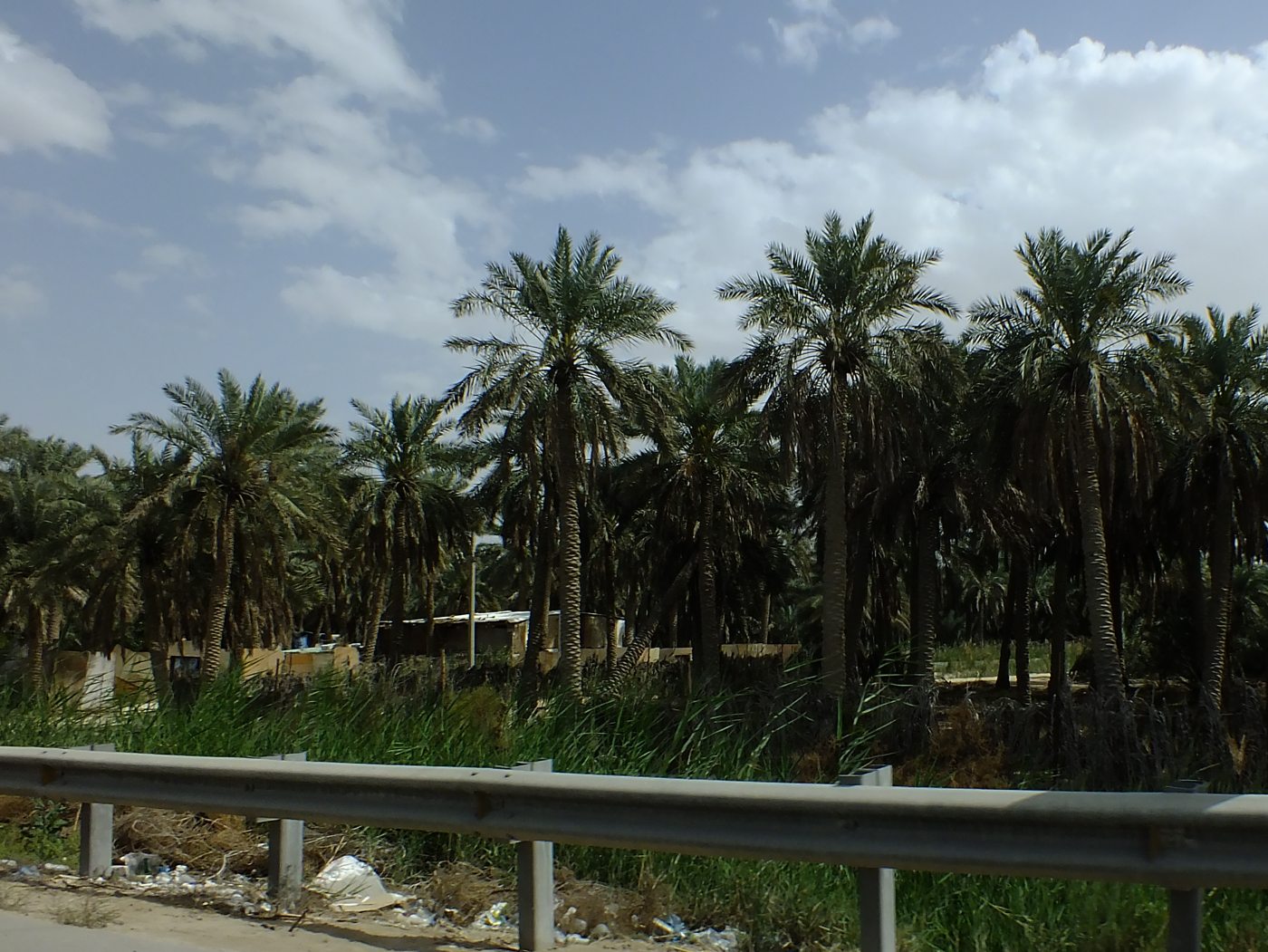
A new local launch
Governor Prince Saud bin Talal bin Badr launched the SAR3 million initiative on Wednesday, according to the Saudi Press Agency report carried by Arab News. The Al-Ahsa Development Authority and Tanmiah Food Company are cooperating on implementation, supported by the Environment Fund and the municipality. The stated objectives are more green space, wider vegetation cover and environmental sustainability. The announcement describes a target; it does not say that all 100,000 trees have already been planted.
That distinction matters for residents assessing progress. A launch creates an identifiable commitment and a set of institutions to follow. Completion requires later evidence about locations, planting dates and maintenance, rather than treating the opening ceremony as the finished environmental result.
How it relates to the earlier agreement
A company release dated October 15 described a broader memorandum between Tanmiah and the Environment Fund. It included a proposed SAR2 million initiative for 100,000 trees in Al-Ahsa during 2026, alongside cooperation on research, environmental plans and potential funding mechanisms. The same release said future projects and financial commitments would require separate agreements. Its earlier figure should not silently replace the SAR3 million reported at the November launch.
The reviewed announcements do not explain the difference between the two values. It could reflect a changed scope or funding arrangement, but neither explanation is confirmed. Presenting both dates makes the record clearer without inventing a reconciliation or assuming that the figures should be added together.
What the budget cannot tell us
Dividing the launch value by the target produces SAR30 per tree. That is arithmetic, not a verified nursery price or a complete lifetime cost. The announcement does not provide an itemized allocation for plants, ground preparation, irrigation, labour or replacement. Using the ratio to judge procurement efficiency would therefore overstate what is known.
A useful subsequent disclosure would separate initial planting from continued care. It would also distinguish trees funded by this initiative from work under other programmes. Without that boundary, a tree could appear in more than one public progress total, making apparently impressive numbers difficult to interpret or compare.
The work that follows planting
FAO guidance on urban forestry emphasizes matching species to site conditions, allowing adequate growing space and providing care after planting. Its recommendations consider maintenance requirements, resilience and biodiversity as well as the initial choice of plant. This is general technical context, not a published specification for the Al-Ahsa project.
For this initiative, an operational plan would ideally connect every planting area with a responsible maintenance team and an inspection schedule. A photograph can establish that planting happened on a particular day. Repeated checks are needed to establish that a tree is alive and developing. Those are different measurements and should remain separate in public reporting.
A useful public scorecard
An effective scorecard could record the number planted, the number still alive at agreed intervals, replacements and the area actually receiving shade as trees mature. It should identify the reporting period and the boundary of the initiative. These are proposed measures for evaluating the programme; the launch announcement does not commit the partners to this particular reporting format.
That approach also avoids confusing activity with improvement. Buying a seedling, planting it and maintaining it are stages in one process, not three separate environmental achievements. A neighbourhood could receive fewer trees than another yet gain a more useful shaded route if placement is better matched to daily movement. Conversely, a high planting count can conceal later losses unless replacements and mortality are disclosed. Residents and sponsors would gain a more reliable view from a modest set of consistently measured indicators than from a succession of totals with changing definitions.
Which neighbourhoods benefit
The location of the planting will influence how residents experience it. A tree beside a regularly used walking route serves a different public purpose from one in a landscaped area that few people enter. Both may be appropriate, but their benefits should be evaluated against the purpose of each site rather than a single governorate-wide count.
The launch report does not supply a neighbourhood map or a species list. Publishing those details would let schools, residents and nearby businesses understand what is planned around them. It would also allow practical questions about access, sightlines and future maintenance to be raised while plans can still be adjusted.
A partnership that can be measured
The participation of a food company and public bodies creates an opportunity to make responsibilities visible. Funding, land access, planting and upkeep are separate functions; a credible progress report should identify which partner delivers each one. This is an accountability framework suggested by the project structure, rather than an assertion that the roles have already been publicly allocated.
For residents, the next useful milestone is a delivery timetable, followed by survival reporting after establishment. For the partners, the strongest demonstration of value would be a maintained record that connects money spent with living trees and usable green space. The November 4 launch provides the starting commitment; those later records will show what it produces.
Gabriel Nicolaev – CyGuru