
Qatar / Living
Qatar’s Seasonal Produce Yards Open on 5 November: Four Weekend Markets and One Daily Option
Qatar’s 2026–27 local agricultural produce season begins on Thursday, 5 November. A Ministry of Municipality update reported by QNA on 4 November distinguishes four seasonal yards from Al Mazrouah, which continues year-round. For shoppers, the immediate questions are where to go, which days to visit and how to compare the produce on offer.
The distinction between five locations and four openings
The four seasonal locations are Al Khor and Al Thakhira, Al Wakrah, Al Shamal and Al Shahaniya. They are scheduled to operate on Thursdays, Fridays and Saturdays from 7am to 3pm. Al Mazrouah remains the year-round site. The Peninsula’s earlier report specifies daily opening there during the same 7am–3pm window. Both reports therefore describe a network of five locations, while the ministry’s latest update makes clear that the seasonal restart concerns four of them.
This matters for a weekday shopping plan. Someone who sees only the phrase “five yards” could assume the same operating calendar applies everywhere and make an unnecessary trip. Before setting out, match the specific location to its published days and check for a later ministry notice. The opening announcement provides the normal schedule; it is not a live statement about traffic, queues, parking availability or how much of a particular vegetable remains at a stall that afternoon.
What the season brings together
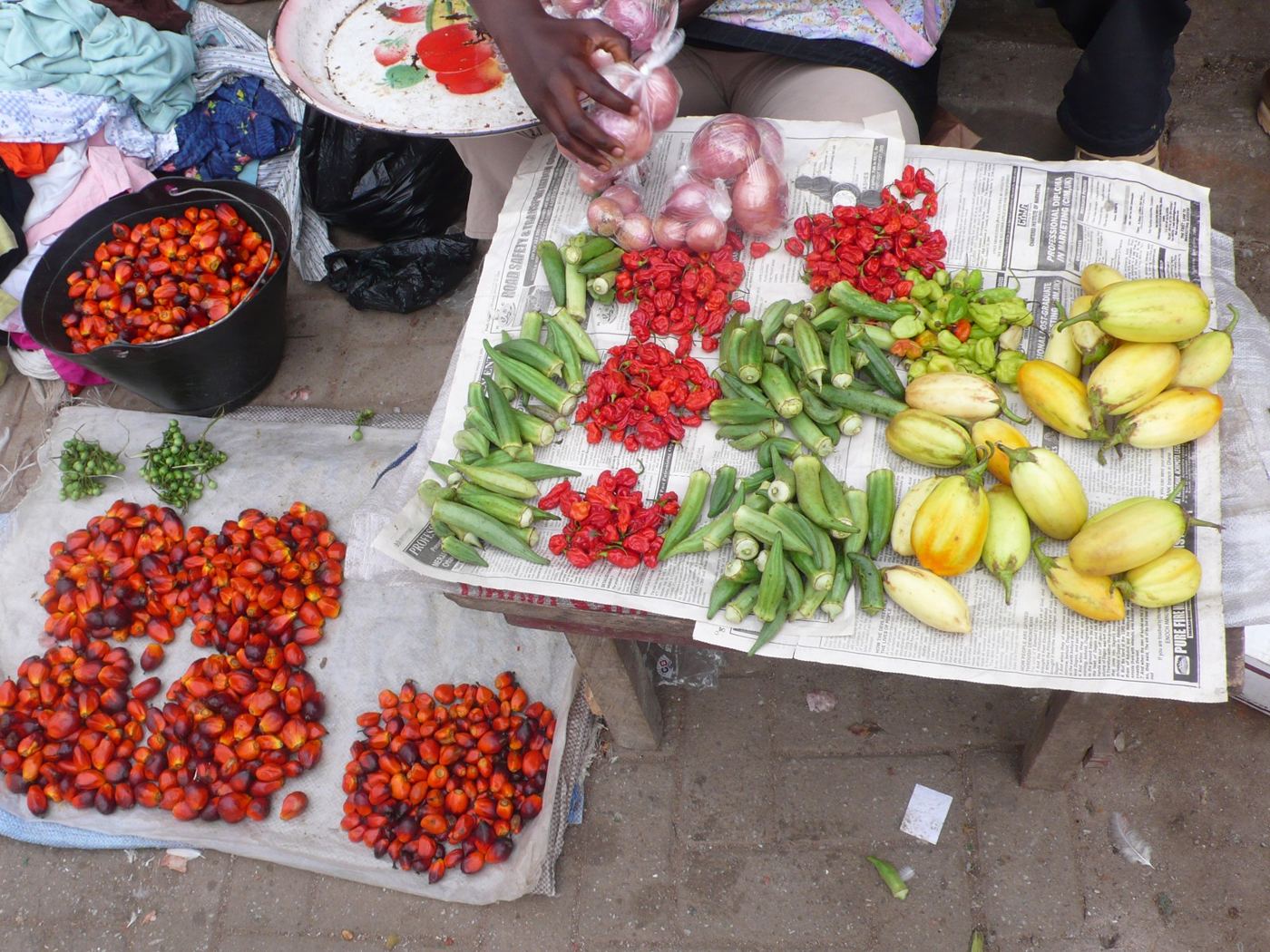
The ministry says more than 240 Qatari farms are participating. Seasonal vegetables, dates and natural honey are among the products identified in its announcement. The purpose is direct marketing between producers and consumers, with fewer intermediaries in the selling channel. That is the stated design of the programme, rather than a guarantee that every farm will attend every yard or that every listed product will be available throughout the season. Availability still needs to be established at the point of sale.
For a household, direct access to a seller can make the purchase more informative. Questions about the farm, harvest timing, variety and intended use help establish whether a product suits a planned meal. That conversation is most useful when it concerns the actual batch being offered, rather than a general promise about local agriculture. Buying locally identifies a supply origin; it does not, on its own, answer separate questions about cultivation methods, storage history, certification or the suitability of a particular item.
Compare the usable purchase, not only the headline price
A sensible market comparison starts with a consistent unit. The price of a box cannot be compared meaningfully with a price per kilogram until the quantity is known. Shoppers can also distinguish between produce intended for immediate cooking and items they expect to keep for several days. A large quantity is only a saving if the household will use it. This is a budgeting consideration, not a claim that one yard, farm or retail channel always offers the lowest price.
Travel costs belong in that calculation. A household living near one of the seasonal yards may gain convenience that another household would lose on a long drive. Combining the visit with an existing journey, taking a short shopping list and deciding a spending limit can make the comparison clearer. The ministry’s announcement does not publish a basket of prices, so claims of a specific percentage saving would be premature. The relevant evidence is the price and quantity actually offered to the customer.
The business question behind the stalls
For participating farms, a public market provides contact with the people who consume their output. The potential value goes beyond a single sale: repeated questions can reveal which pack sizes, varieties or purchasing times customers prefer. Whether that information improves a farm’s decisions depends on how it records and uses it. The existence of a direct sales channel should therefore be distinguished from a measured increase in profit, which would require costs, sales and other evidence that the announcement does not provide.
The same distinction applies to national food production. A busy weekend market is visible, but it is only one part of a wider production and distribution system. Useful measures over the season would include repeat participation, volumes sold, unsold stock and the consistency of supply. Those would show more than an opening-day crowd alone. For now, the concrete development is that farmers and shoppers have a published set of locations and times for the next seasonal cycle.
How to use the opening announcement
Residents can treat Thursday’s opening as an opportunity to compare a local market with their usual shopping routine. Start with the nearest suitable yard, check the day, and ask about the specific products needed before committing to a large purchase. Keep any receipt or seller details relevant to the transaction. These steps make the visit easier to assess afterwards: what was bought, how much was used and whether the journey represented good value for that household.
The announcement is also a reminder that “open for the season” describes a starting point, not a complete forecast of what each week will bring. The product mix and individual buying experience can change. Following the ministry’s subsequent notices is the best way to track official operational changes, while judging quality, quantity and price at each visit keeps the household decision grounded in what is actually available. The first seasonal market day is 5 November; the news today is the confirmed launch arrangement.
Gabriel Nicolaev – CyGuru
Sources & further reading
QNA: Ministry announces the 2026–27 produce season, 4 November
The Peninsula: five locations and operating days, 3 November