
Qatar / Living
Doha Film Festival Adds Free Outdoor Cinema and an Accessible Screening to Its November Programme
Doha Film Festival’s community programme, announced on 4 November, brings free outdoor animation to MIA Park and an inclusive screening of The President’s Cake. The festival runs from 19 to 27 November. The announcement broadens the ways residents can participate, while individual screening times and admission arrangements still need to be checked against the official programme.
A public programme with several different audiences
QNA’s report identifies three films for Cinema Under the Stars at MIA Park: Butterfly Tale, The Little Bear Movie and Babar: King of the Elephants. It also describes a new classics strand and an inclusive presentation of The President’s Cake, with audio description, sign-language interpretation and enhanced subtitles. These are different forms of access. Removing a ticket price helps with one barrier; making the film understandable and the event usable for people with different needs addresses another.
The announcement should be read at the level of each programme item. The explicit free outdoor offer concerns the MIA Park screenings. It should not be expanded into a claim that every festival film, concert or professional activity is free. The official festival site separately offers paid accreditation categories. For residents deciding what to attend, the useful task is to identify a specific screening and its terms rather than treating the festival as a single product with one admission rule.
Planning a family screening
A film title alone is not enough to plan an evening with children. Families will want to confirm the screening date, start time, language, subtitle provision and age guidance in the final listing. An animated film can appeal to different ages for different reasons, so it is worth reading the programme description rather than assuming all animation suits every child. The new announcement identifies the selection but does not supply a complete timetable for the three outdoor titles.
The practical questions also extend beyond the screen: where the entrance is, when to arrive, how seating is arranged and whether a reservation is required. Free entry does not automatically mean unlimited space or that late arrivals will find seats together. Those are planning questions for the organiser, not confirmed restrictions in today’s report. Checking them before leaving home can prevent a family from building an evening around assumptions carried over from another event or a previous festival edition.
Accessibility is specific, not a blanket label
For the inclusive screening, the announced features give audiences a useful starting point. They do not answer every individual access question. A visitor may need to know which language is used for sign interpretation, how audio description is delivered, whether a companion can sit alongside them or what assistance is available on arrival. Asking about the precise need allows the organiser to give a practical answer instead of leaving the visitor to interpret the broad word “inclusive” on their own.
There is also a distinction between the film’s presentation and the journey into the venue. Information about drop-off points, accessible routes, toilets and the duration of the event can be just as important to attendance as subtitles. This is an editorial planning consideration, not a finding that any facility is missing. A successful accessible visit depends on the whole sequence working for the person attending, so the most useful confirmation will connect the advertised screening features with the actual venue arrangements.
Classics and professional access are separate choices
The community announcement also introduces DFF Classics, with The Battle of Algiers and The Night of Counting the Years among the restored works identified by QNA. Presenting older cinema alongside family screenings creates different reasons to attend. A viewer interested in film history may choose a focused evening around one title; a family may prefer an outdoor animation. The value of a varied programme is that audiences can select a route through it without needing to follow every strand.
The institute’s accreditation page describes separate Festival and Industry categories, with different benefits and application deadlines. That information is useful for film professionals or frequent attendees considering broader participation. It does not establish that an ordinary visitor needs accreditation to attend the announced free outdoor programme. Anyone comparing a pass with individual events should read what the pass includes, which activities require additional booking and what happens when a screening reaches capacity. The final purchase decision should follow the terms of the particular product.
What to look for before 19 November
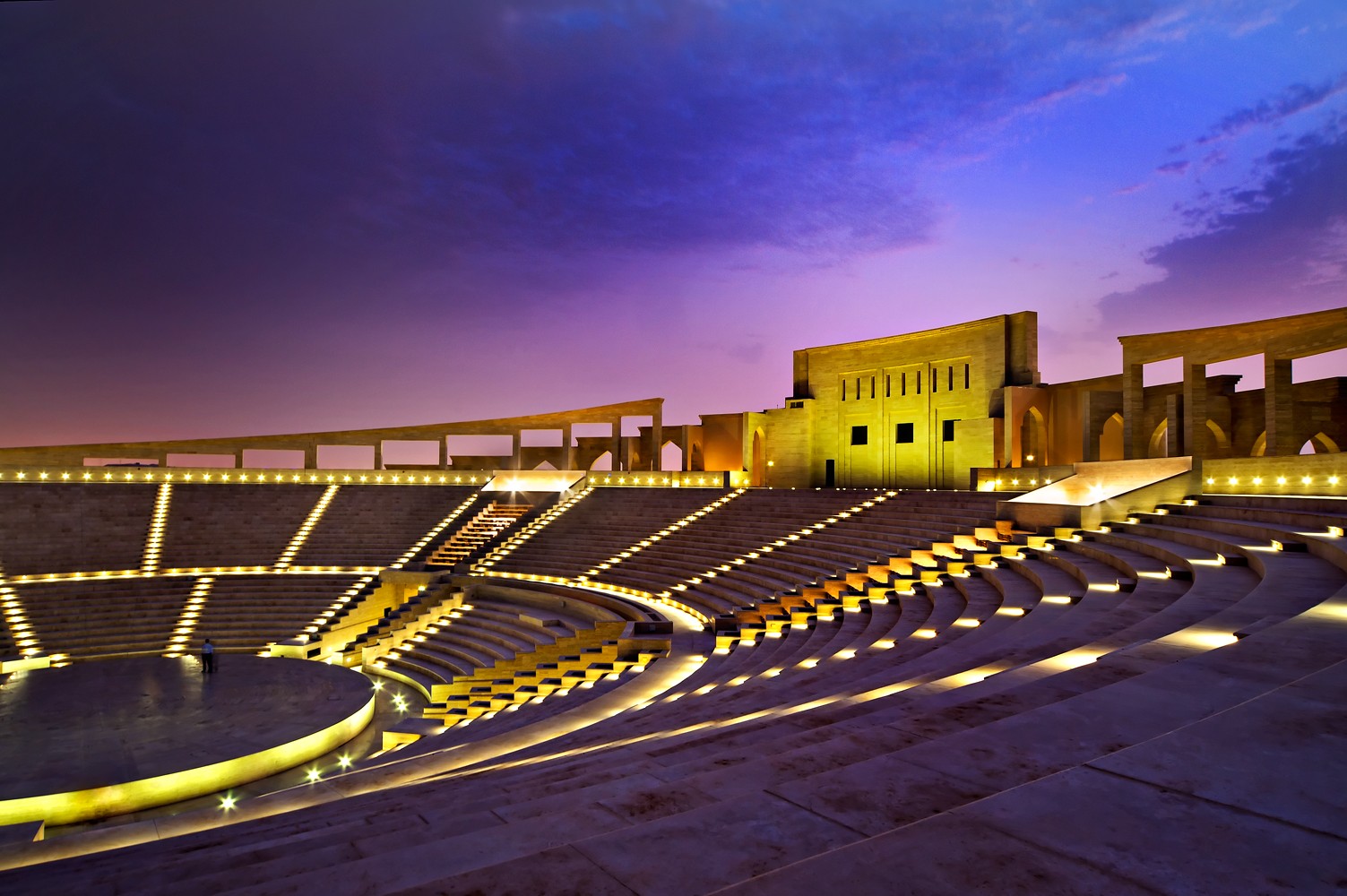
The next useful information for most residents is operational: dated listings, venue instructions and the booking method for each chosen screening. Save the official page for the event rather than relying on a shared poster alone, especially if a plan involves several people. A short check shortly before departure can establish whether the organiser has changed a time or arrangement. The archive photograph here shows Katara’s amphitheatre for cultural context; it does not depict the MIA Park screening site or the 2026 event.
Today’s news is a confirmed expansion of the community programme, not a report from screenings that have already taken place. Its significance lies in the range of invitations it makes: families, viewers revisiting film heritage and audiences needing specific presentation support. Whether those invitations become a smooth evening out will depend on clear delivery details. The festival’s 19–27 November dates provide the frame; the individual event listing will provide the information that turns interest into a workable visit.
Gabriel Nicolaev – CyGuru