
Oman / Travel
Wajmah Heritage Lodge Opens in Rustaq, Giving a Restored Mountain Village a New Visitor Role
A restored mountain settlement in Wadi Al Sahtan has entered Oman’s winter travel conversation following Wajmah Heritage Lodge’s inauguration. The Foreign Ministry confirmed the opening in a 2 November report, and a 3 November Oman Observer feature describes the restoration behind it. The development offers a specific heritage stay rather than another newly built resort using a historic visual theme.
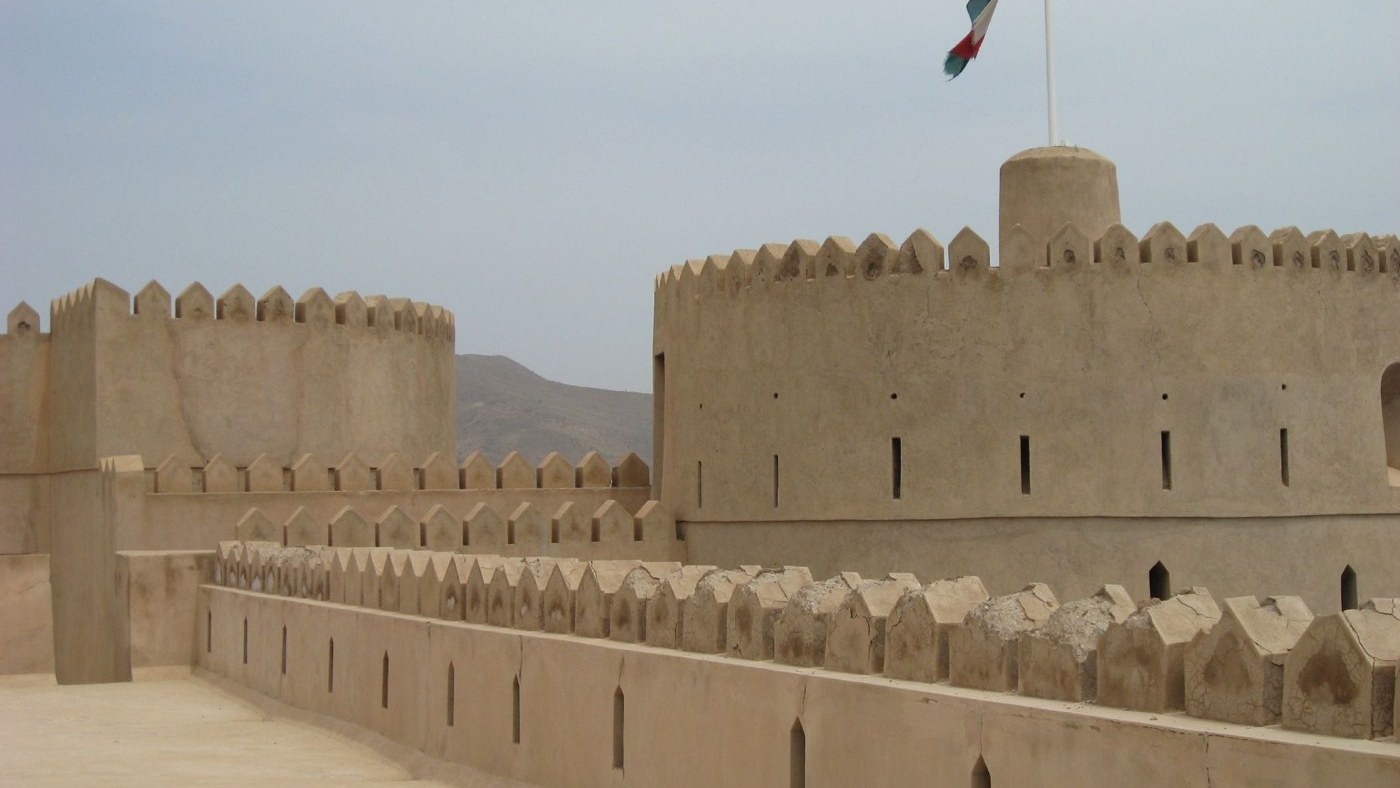
A confirmed opening with a distinct setting
The Foreign Ministry’s official Arabic account identifies the inauguration in Al Rustaq under the patronage of the Minister of Heritage and Tourism. It acknowledges the role of Oman’s honorary consul in Lithuania, Boleta Senkiene, in supporting the project. This provides a primary reference for the opening, distinct from promotional descriptions of the accommodation itself.
Oman Observer places Wajmah in Wadi Al Sahtan and describes an abandoned mountain village restored with attention to traditional materials and architecture. It identifies Lithuanian investor Nicolas Ortiz and project manager Jitka Mulacova. Its account gives the project a history of discovery and restoration, rather than describing an ordinary hotel development on an empty plot.
Al Abri Home anchors the accommodation story
The operator’s website presents Al Abri Home as a restored 130-year-old house. Oman Observer’s reporting describes the same family home and the use of natural materials. Those attributed details help a prospective visitor understand what is being offered: an encounter with an existing building, whose physical character is part of the stay, not a room specification that could belong anywhere.
The operator also publishes booking, journey and policy links. Readers should use those current channels to establish the room, dates and arrangements available to them. Neither a ministerial inauguration nor a feature article confirms an individual reservation, tariff or transfer. The next practical step is an enquiry tied to a particular travel plan, rather than assuming that the opening announcement supplies all purchasing information.
Restoration changes what a visitor should notice
Our reading of the project starts with the difference between preserving an old structure and reproducing its appearance. A restored wall can carry irregularities, repairs and evidence of earlier use. These details are not automatically defects to be concealed. They can be part of the building’s meaning, provided the visitor is helped to distinguish retained features from later adaptation.
Useful interpretation therefore explains choices: what remained, what needed intervention and how the building now works as accommodation. This article does not provide a conservation assessment of Wajmah. It identifies questions that allow a guest to engage with a restoration story more thoughtfully than treating traditional stone as a decorative background for a photograph.
Mountain access belongs in the booking decision
A mountain stay begins before the guest reaches the door. Travellers should confirm the route, transport arrangements, luggage handling and the time needed to arrive comfortably. The operator’s journey information is the relevant starting point. This report does not prescribe a vehicle or certify a route; those details need current confirmation for the actual visit and conditions.
That enquiry is especially important for a mixed-age group or anyone with mobility needs. Historic steps and a mountain setting can affect whether the experience fits the traveller, even when photographs look inviting. A precise description from the property helps a visitor choose knowingly. It is better to establish the practical fit before paying than to discover a mismatch on arrival.
Local supply makes heritage tangible
The Observer feature describes an herb garden supplying the kitchen and purchases of za’atar and other produce from local farmers. These are specific reported connections, not a measured regional economic impact. Their significance is that a heritage stay can relate to the surrounding working landscape through ordinary purchasing, rather than only through architecture or a ceremonial statement about community support.
For a guest, asking where an ingredient comes from can open a more grounded conversation than asking for an idealised performance of tradition. The answer should remain the operator’s account unless independently documented. A thoughtful visitor can appreciate a local supply relationship without turning one meal into evidence about the entire agricultural or cultural life of a region.
A slower stay should have room to be slow
The appeal of a small restored mountain property can be undermined by placing it between two demanding transfer days. A visitor interested in the building and landscape needs enough time to arrive, rest and understand the setting. That may mean removing another stop rather than adding more activities. The useful itinerary is the one that protects the reason for choosing this particular accommodation.
Planned walks or other outdoor experiences should still follow current advice and the group’s capabilities. A heritage theme does not make terrain easier or remove the need to check conditions. Guests should ask what an activity includes and which guidance is provided, while leaving an alternative that does not require completing the original plan regardless of weather or fatigue.
International involvement is part of a local story
The ministry frames the project partly through Oman–Lithuania cooperation. That is a useful account of relationships supporting a particular restoration, rather than proof of a wider investment programme. Its cultural credibility will also depend on how the place’s Omani history is explained and how the accommodation remains connected to the community and landscape around it.
Wajmah’s opening adds a concrete choice to Oman’s heritage accommodation rather than a generic promise about tourism growth. Travellers can now examine a named house, a defined setting and an operator’s current offer. A good visit will bring those elements together: understanding what was restored, preparing for the journey and allowing the experience to be shaped by the place rather than a hurried checklist.
Gabriel Nicolaev – CyGuru
Sources & further reading
Oman Foreign Ministry: Wajmah inauguration, 2 November 2026
Oman Observer: Wajmah restoration feature, 3 November 2026
Wajmah: operator’s accommodation and visitor information
Archive photograph: Keirn OConnor from New York City, United States — CC BY-SA 2.0
Photograph licence: CC BY-SA 2.0