
Oman / Explore
Mirbat Opens Underwater Sculpture Museum With Six Installations
Mirbat inaugurated its Submerged Ecological Museum on 3 November after six engineered sculptures were placed offshore. The project adds a new marine attraction to Dhofar, but its environmental significance will emerge through observation over time. The important distinction is between completing an installation and demonstrating that marine life benefits from it.
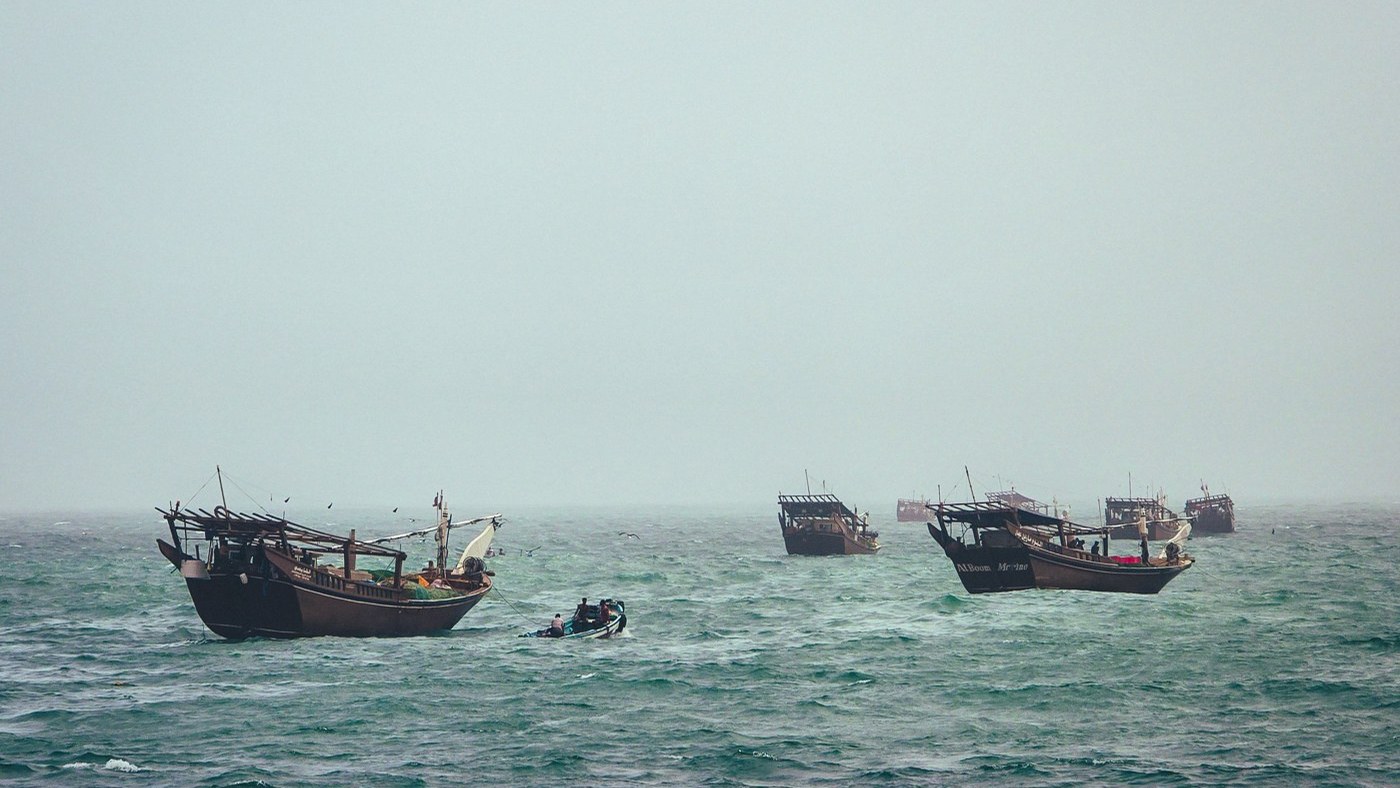
The confirmed installation
Oman News Agency reporting carried by Times of Oman and Oman Daily identifies six concrete sculptures at depths of 20–22 metres. OQ Basic Industries funded the project with the Environment Authority and specialist partners. The report describes a sandy site selected with environmental considerations, rather than an installation placed directly on an existing coral formation.
The subjects draw on Oman’s natural heritage, including marine animals, an Arabian leopard, a gazelle and a frankincense tree. Crucially, the project director said assessment requires time to observe how marine life uses the structures. The announcement therefore supports a report of deployment and intention, not a claim that ecological recovery has already been measured.
Why installation and ecological outcome differ
Our analysis starts with a simple evidence distinction. A photograph can show that a structure has reached the seabed. It cannot, by itself, establish how the surrounding ecosystem has changed. The relevant questions concern what is observed, when it is observed and how an assessment separates a temporary concentration of animals from a sustained environmental benefit.
That is not a reason to dismiss the project. It is a reason to assess it against the purpose stated by its organisers. A useful public record would distinguish engineering completion, initial biological observations and later habitat findings. Each stage answers a different question and should retain its own date rather than being compressed into a single success label.
Make monitoring understandable
For readers, monitoring becomes meaningful when its boundaries are explained. Which area is being examined, what observations are repeated and who interprets them? These are questions MyGCCNews proposes for follow-up; the announcement does not disclose a complete research protocol. Publishing the method in accessible terms would help the public understand both encouraging findings and remaining uncertainty.
Consistency also matters. Comparing observations collected under different conditions can produce an apparently clear story that is difficult to interpret. A responsible account should explain limitations instead of presenting every new image as proof of improvement. That discipline gives the project a stronger long-term narrative because it allows documented progress to stand apart from promotional expectation.
A diving attraction is not an unrestricted invitation
The reported depth makes this a specialist marine experience, not an ordinary swimming stop. This article does not certify access, diving suitability or operator arrangements. Anyone considering a visit should ask the responsible provider about current permissions, qualifications, conditions and the actual experience being sold. A launch announcement is not a substitute for those individual checks.
Clear visitor information can support conservation as well as safety. It should explain where people may move, what must remain undisturbed and who gives instructions during the outing. The objective is not to turn the installation into a backdrop that every visitor can approach on personal terms, but to make any permitted experience compatible with the site’s stated environmental purpose.
Tourism value depends on a complete service
The official account identifies potential opportunities for diving centres, boats and local services outside the khareef season. Those are expected opportunities, not measured new income. A workable commercial offer must connect booking, departure, equipment, guiding and the return journey. Weak information at one stage can undermine an otherwise interesting experience and create confusion for visitors unfamiliar with Mirbat.
Local businesses can prepare without assuming that publicity guarantees demand. They can specify the service they provide, identify the partner responsible for each component and communicate cancellation arrangements clearly. Pricing should cover the real operating work rather than rely on an expectation of large visitor numbers that has not yet been supported by bookings or actual participation.
Keep education separate from a guaranteed sighting
The sculptures create an accessible starting point for explaining Oman’s natural heritage, even though the experience itself takes place underwater. Educational material can explain why each subject was chosen and distinguish the represented animal from species a visitor might actually observe. An artistic figure does not establish that the living species occupies that location or can be seen on a particular outing.
That distinction protects credibility. It allows guides to discuss biodiversity without promising encounters that nature cannot schedule. It also gives schools and families a way to engage with the project through interpretation rather than assuming everyone must dive. Whether such public materials will be offered, and in which format, remains a question for the organisers rather than a confirmed service here.
Judge the next update by what it proves
A future operator listing would demonstrate a tourism product. A documented survey would provide ecological evidence. A maintenance report would address the condition of the installation. None should be treated as interchangeable. Readers can follow each strand while recognising that the strongest project may develop gradually rather than produce every intended benefit immediately after inauguration.
Mirbat’s new museum is therefore important as the start of a visible experiment connecting marine habitat, natural heritage and local tourism. The six sculptures are now the confirmed physical milestone. The longer story will be written through monitored use, responsible access and evidence that the project’s environmental and community ambitions become more than the language of an opening ceremony.
Gabriel Nicolaev – CyGuru