
Kuwait / Business
Kuwait Ports Strategy Mandate Combines Planning With a 36-Month Delivery Support Office
Fresh reporting on November 4 highlights KPMG’s mandate to lead a new Kuwait Ports Authority strategy. The underlying announcement is dated October 29 and combines planning with three years of technical support, making delivery arrangements a central part of the story.
An announced mandate receives fresh coverage
Kuwait’s ports strategy is receiving renewed attention after MEED and Al Bawaba published reports on November 4. The primary announcement on KPMG’s own website is dated October 29. That distinction matters: this is current coverage of an already announced consultancy mandate, rather than evidence that a new contract was signed today. The named client is Kuwait Ports Authority, and the announcement identifies Tender No. 3/2025/2026.
KPMG says it will lead the strategic engagement, working with Haskoning Nederland B.V. and Dar Gulf Consult on engineering support. The firms’ contributions are to be brought into one strategy. The announcement confirms responsibilities and workstreams, but does not publish a contract value or a detailed list of approved construction projects. Readers should therefore distinguish the appointment of advisers from later investment decisions that might follow their work.
Planning and implementation are connected in the scope
According to KPMG, the first workstream includes assessment of the authority’s market position and performance, followed by strategic options and functional plans. The second establishes a Strategic Technical Support Office for 36 months. KPMG describes that office as providing strategic oversight, technical advice and integrated project-management support. The announced structure therefore extends beyond producing a strategy document, although it does not yet demonstrate the operational results that the programme may achieve.
Editorial analysis: the connection is useful because a strategy normally involves choices across several departments. A commercial objective can require a change in operations, an engineering intervention, a procurement decision and a revised customer process. When these are treated separately, a technically sound recommendation can lose momentum before implementation. A coordinating office can help connect the decisions, but its effectiveness will depend on responsibilities, access to information and the authority to resolve issues.
Shuwaikh provides a concrete operating context
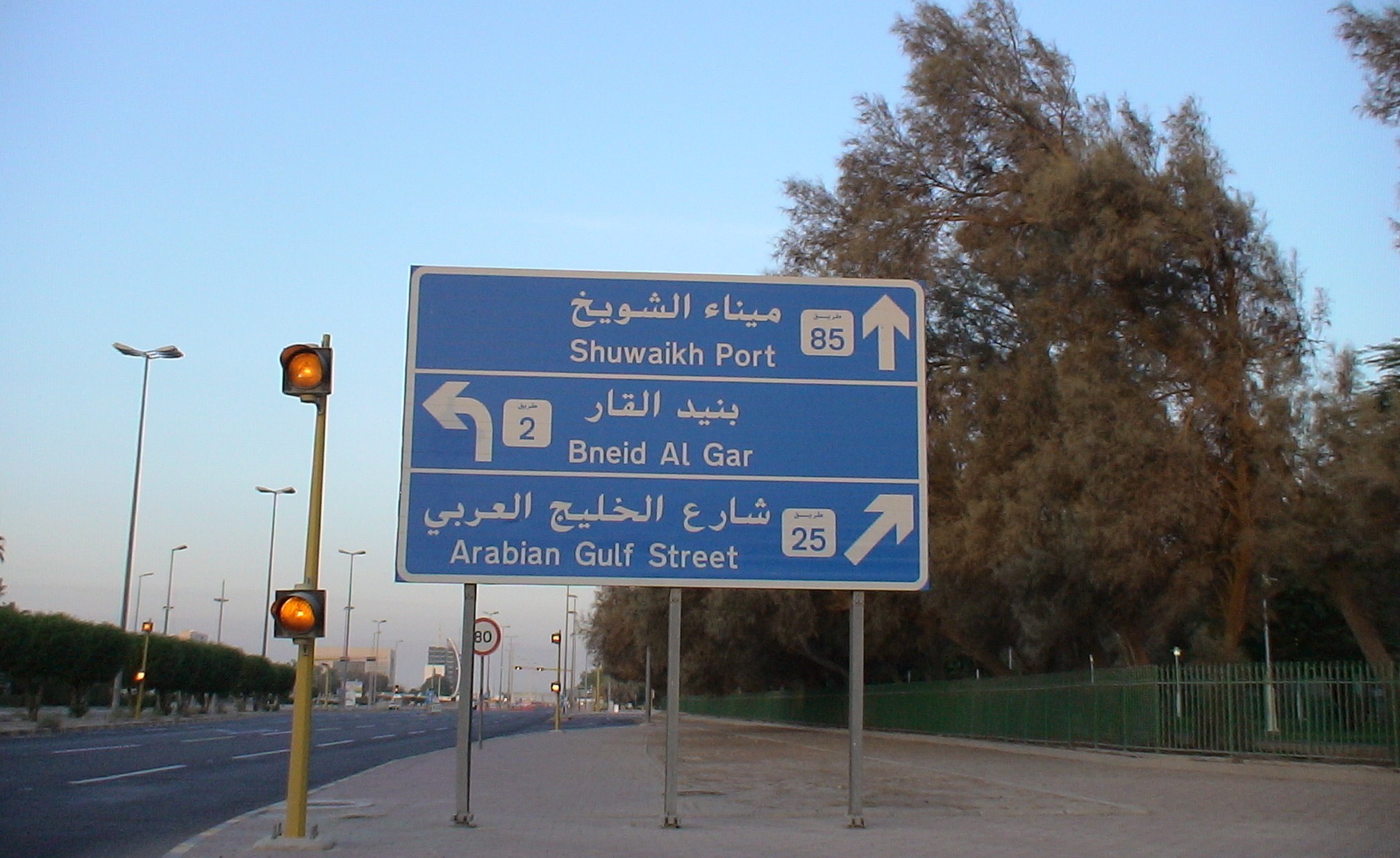
The Kuwait Ports Authority describes Shuwaikh as the country’s main commercial port, located in the Shuwaikh Industrial Area near Kuwait City. Its official page lists 21 berths and a total area of 4.4 million square metres. The same page clearly labels its activity statistics as figures for 2024. Those statistics provide context for the port’s established role; they are not a new forecast or a measure of conditions in November 2026.
The port authority’s description also shows why a port strategy extends beyond the waterside. Shuwaikh accommodates storage and distribution as well as vessels. A customer’s experience includes the coordination between the ship, cargo handling, documentation, storage and onward transport. Improving one part of that sequence may have limited value if another remains unpredictable. This is a general operational consideration, not a claim that any particular bottleneck has been identified at Shuwaikh.
Competitiveness requires a customer-level definition
KPMG frames the engagement around competitiveness, connectivity and performance. These are broad goals that need to be translated into observable measures. For a shipping line, reliability and the time required to complete a call may be important. For an importer, the relevant concern may be when a consignment becomes available and how clearly its status can be tracked. The strategy will be more informative when its chosen measures and starting points are available.
A useful performance framework also distinguishes averages from variation. A process can have an acceptable average duration yet remain difficult to plan around if individual outcomes vary widely. Businesses organise vehicles, workers and stock around expected times, so predictability has an economic value of its own. Monitoring should therefore identify both the typical experience and the exceptions, with clear definitions that allow the same measure to be compared over time.
Engineering advice must connect to commercial choices
The inclusion of engineering advisers is relevant because port options have physical consequences. A proposal can affect access, equipment, storage layouts or the interaction between facilities. Before an investment is treated as an improvement, its expected benefit should be compared with its cost, delivery constraints and operating requirements. The announced mandate has not supplied those project-level assessments, so it would be premature to describe specific expansions as approved under this appointment.
Similarly, demand assumptions need to be visible. A facility planned around one cargo pattern may perform differently if routes, vessel sizes or customer requirements change. Scenario analysis can help test whether a proposal remains useful under more than one plausible future. This is an analytical standard for evaluating the eventual plan, rather than a statement about unpublished methods or conclusions of KPMG, Haskoning, Gulf Consult or Kuwait Ports Authority.
What to watch during the support period
The 36-month support office creates a defined period in which planning can be connected to decisions. Readers can look for later announcements that identify approved priorities, responsible teams, implementation milestones and the measures used to assess progress. Contract announcements establish who is engaged and broadly what they will do. Evidence of delivery emerges through the subsequent work, including decisions taken, projects completed and improvements measured against a stated starting point.
For companies using Kuwait’s ports, the practical question is whether future changes make the movement of goods easier to predict and manage. Clear operational notices will matter more to daily planning than a broad strategic label. The latest reporting brings attention to a confirmed institutional step, with planning and delivery support in the same mandate. The next stage is to see how that structure is translated into specific, accountable actions that serve the authority and its customers.
Gabriel Nicolaev – CyGuru
Sources & further reading
KPMG Kuwait — primary mandate announcement, October 29, 2026
MEED — Kuwait appoints KPMG for ports strategic plan, November 4, 2026
Al Bawaba — mandate coverage, November 4, 2026
Kuwait Ports Authority — Shuwaikh Port profile; activity statistics labelled 2024