
Kuwait / Environment
KISR Releases 550kg of Farmed Sheem as Kuwait Tests the Route from Research to Market
A fourth batch of farmed Sheem fish has reached Kuwait’s consumers through Kazma Company. Reporting on November 3 and 4 puts the release at 550 kilograms, while a separate planned batch of young fish is intended for local farmers.
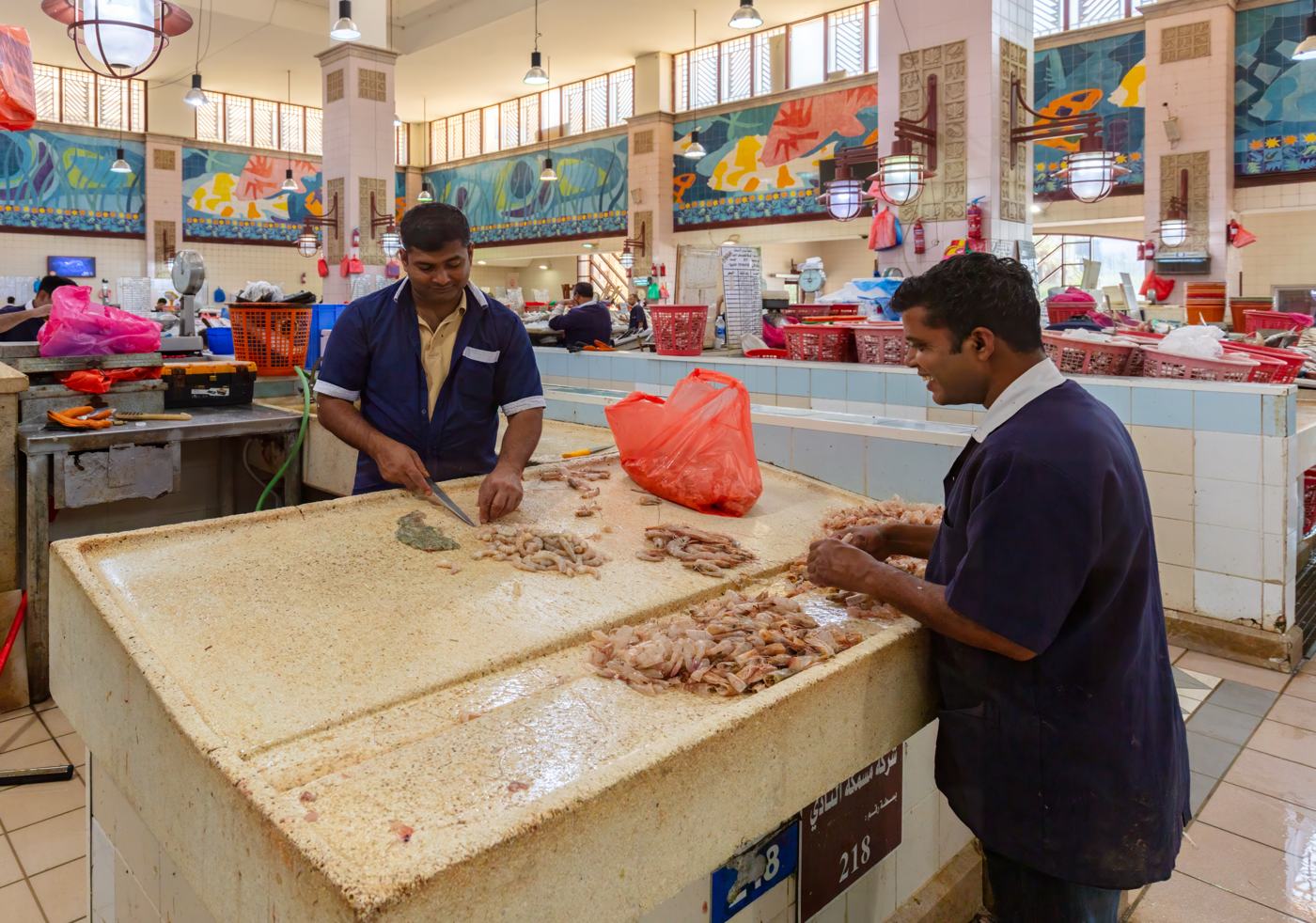
A fourth release reaches consumers
The Kuwait Institute for Scientific Research has supplied 550 kilograms of farmed Sheem fish to the local market, according to an interview published by Al Rai on November 3 and subsequent reporting by Times Kuwait on November 4. The fish were commercially sized and supplied through Kazma Company. The reports identify this as the fourth batch. That makes the development a concrete market release within an ongoing project, rather than an announcement that Kuwait has just begun fish farming.
The reported quantity is modest enough to keep the significance precise. A batch reaching consumers demonstrates that fish from a research-linked production process can pass into a sales channel. It does not establish how much of Kuwait’s total demand the project can supply, the annual output of the facility or the cost of producing each kilogram. Those are separate measures. The immediate news is the release itself and the next steps described by the project team.
Two batches with different purposes
Project head Dr Amani Al-Yaqout described the consumer sale and preparations for a fifth batch of young Sheem intended for local farmers. These should not be combined into a single quantity or presented as two completed retail deliveries. Commercially sized fish are a product for consumption; young fish supplied to farmers are an input into another production stage. The planned transfer still requires those farmers to raise the fish before they become a comparable market product.
This distinction explains why a hatchery and a grow-out operation solve different problems. A dependable supply of young fish can help farms plan production, while successful grow-out must convert those inputs into saleable fish. The commercial chain therefore contains more than one test. Availability at the beginning does not guarantee output at the end. Conversely, a small market release can be useful evidence of progress without demonstrating that every part of the chain is ready for sustained large-scale operation.
What the sales channel adds
The reporting says the fish were sold directly to consumers through Kazma without private intermediaries, with demand following an Instagram announcement. This describes the route used for that release, not a permanent national distribution arrangement. A direct channel can provide the producer with information about customer response and the practical handling of a batch. The public reports do not provide a full sales ledger, a price comparison with wild-caught fish or evidence that the same arrangement will apply to future releases.
For an experimental commercial route, the useful questions are specific: how quickly did the available quantity sell, how were orders allocated and what feedback did buyers give? Answers would help separate interest generated by an announcement from repeat demand for a product. They would also clarify whether the limiting factor was available supply, distribution capacity or the number of customers reached. These are analytical questions for future reporting, not results already established by the reported consumer response.
Research beyond one species
The project leader also discussed collecting broodstock of other popular fish and preparations involving mullet. This points to research across a wider production pipeline. Broodstock, juvenile supply and commercially sized fish represent distinct biological and operational stages. Combining them under a single claim of increased output would obscure where progress has occurred. The latest release concerns Sheem sold to consumers; work on other species remains a separate part of the programme described in the interview.
KISR’s institutional history places marine biology among its original areas of national importance, alongside petroleum and desert agriculture. Its published remit includes research and technological consultation for public and private organisations. The institute also describes a marine resources research unit concerned with oceanography, fisheries and resource management. This background explains why a market-facing fish project can sit within a research organisation. It does not, by itself, certify the profitability or environmental performance of a particular farming method.
The economics need their own evidence
A fish-farming project becomes commercially meaningful when it can repeat production at acceptable cost and quality. The latest reports do not disclose a complete cost structure. Feed, energy, labour, losses during production and the time required to reach market size would all be relevant to evaluating an operation. Their relative importance cannot be inferred from a single batch’s weight. A larger release might reduce some costs per unit, but it could also require additional equipment, staffing or distribution expenditure.
The same discipline applies to food-security claims. Local production can add another source of supply, but the contribution depends on reliable output and on the inputs needed to maintain it. An operation that relies on purchased feed, equipment and energy still has a supply chain to manage. That observation does not diminish the value of local aquaculture. It identifies the evidence needed to move from a promising demonstration to a measured assessment of resilience and sustained commercial contribution.
What would show the next stage
For readers following the project, the most informative next update would distinguish completed sales from planned transfers and report each stage in its own units. A consumer batch can be measured by harvested weight and sales. A juvenile transfer needs numbers of fish, delivery timing and subsequent production outcomes. Combining those figures without their definitions would create a misleading impression of scale. Clear reporting would allow successive updates to form a record of progress rather than a collection of isolated announcements.
The fourth Sheem release is therefore a practical milestone with a defined scope: 550 kilograms entering Kuwait’s consumer market through the reported channel. The planned supply of young fish could extend the project’s relevance to local farmers, but its outcome remains to be demonstrated. The strongest follow-up story will show whether these stages become repeatable, how producers manage costs and whether customers return. For now, the release provides a tangible example of research moving into a limited commercial setting.
Gabriel Nicolaev – CyGuru