
Kuwait / Business
Kuwait’s Istanbul Meetings Connect Supply-Chain Pressure With Economic Cooperation
Kuwait’s finance minister held a series of economic-cooperation meetings in Istanbul on November 3, according to a ministry statement carried by KUNA and Kuwait Times. The discussions link an immediate concern over energy supply chains with longer-term institutional work on development, research and women’s economic participation.
Three conversations on the same diplomatic platform
Kuwait Times reported on November 4 that Finance Minister Dr Yaqoub Al-Rifai met UAE foreign-trade minister Dr Thani Al-Zeyoudi, Women’s Development Organization executive director Sarah Al-Shorouh and SESRIC director-general Zehra Zumrut Selcuk. The account attributes the meetings to a finance-ministry statement carried by KUNA. It describes economic and development cooperation rather than a newly signed package of commercial contracts. The separate participants matter: a bilateral trade conversation, a development institution and an economic research-and-training centre address different parts of the cooperation agenda.
The confirmed setting was COMCEC’s forty-second session
COMCEC’s official event page identifies its forty-second session in Istanbul from October 31 to November 3. The Organization of Islamic Cooperation’s preparatory announcement describes work across trade, investment, transport, finance and other economic fields before the ministerial meetings. That establishes the institutional setting without proving that every subject resulted in a new operative measure. The November 3 meetings are therefore best read as specific discussions within a wider cooperation process. Their practical consequences depend on the decisions or projects that the relevant institutions subsequently identify.
Energy supply chains were an explicit bilateral subject
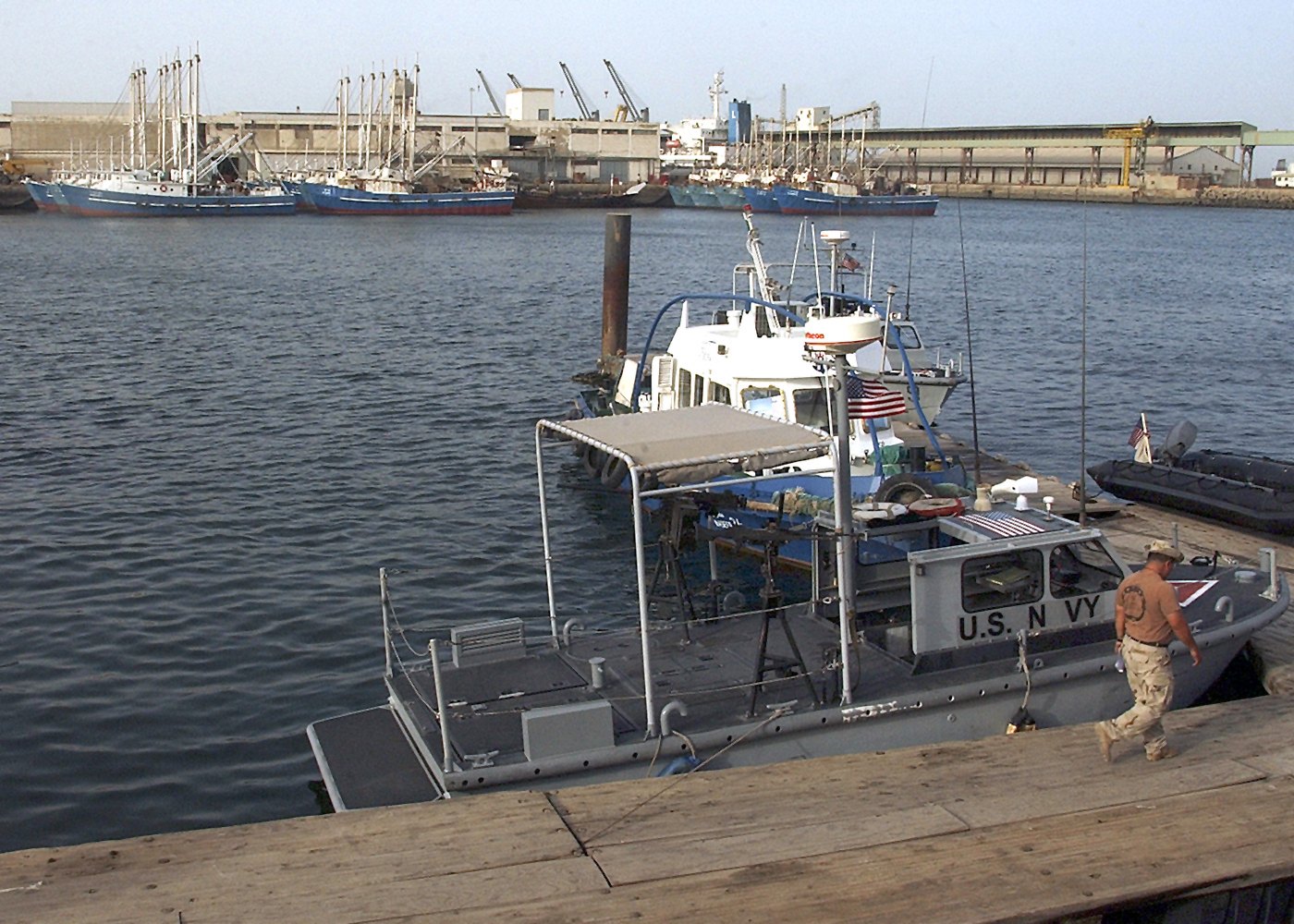
The reported Al-Rifai–Al-Zeyoudi discussion addressed developments in the Strait of Hormuz and their effects on energy supply chains. That is an attributed agenda item, not a forecast of how long disruption will last or a verified timetable for shipping changes. Businesses should preserve that distinction. A ministerial discussion can identify a shared concern while an individual shipment still depends on its own carrier, contractual arrangements and current instructions. This article does not issue a navigation assessment, price forecast or assurance that any particular route is available.
Analysis: separate the physical and financial questions
MyGCCNews analysis: supply-chain pressure reaches a business through several channels that do not always move together. Goods may need a different transport arrangement; payment dates may remain unchanged; a customer may still expect delivery under the original agreement. A useful review maps those obligations separately. For example, a later arrival can create a timing problem even when the goods remain usable and the sale remains commercially sound. The business needs to know which commitment has actually changed rather than assume that one general disruption explains every term of the transaction.
A revised arrival estimate is not a revised contract
Communication from a carrier may update an operational estimate without changing the agreement between a supplier and its customer. That distinction makes record-keeping important. A business can identify the source and date of the new estimate, the affected consignment and the person responsible for contacting the counterparty. Where a legal or insurance question arises, the actual documents and qualified advice matter. This is a general commercial planning principle, not a determination that a specific Kuwaiti company can suspend performance, recover a charge or claim an exemption because the ministers discussed supply chains.
The development agenda was broader than transport
The account also describes Kuwait’s support for OIC institutions and women’s role in sustainable development. In the SESRIC meeting, the emphasis included tangible results and projects that add value. These are statements of institutional intent rather than published measurements of a new programme. Their relevance is that economic cooperation involves capabilities as well as the movement of goods. A development initiative can be assessed by whom it serves, the barrier it is designed to address and the organisation responsible for its delivery, rather than only by the visibility of the meeting that introduced it.
Research becomes useful when it informs a named decision
An economic research or training institution can contribute by making information more comparable, explaining a recurring constraint or strengthening professional capability. The useful question is what decision the information supports. A workshop on a broad topic is not automatically evidence that a business process has improved. A stronger account can show the relevant audience, the practical skill involved and how a participating institution will use it. These are criteria for reading subsequent announcements, not claims about a project agreed in Istanbul. The current report does not identify a new SESRIC programme with a budget and completion date.
Cash timing deserves its own record
An importer can examine when a supplier expects payment, when goods are expected to arrive and when the customer will pay. Keeping those dates visible can expose a financing gap before it becomes a last-minute problem. That exercise does not predict a regional outcome; it identifies the company’s own exposure to a timing change.
What Kuwait’s business audience can take from the update
The meetings show which concerns Kuwait’s finance leadership brought into a regional and Islamic cooperation setting: supply-chain exposure and the functioning of development institutions. Readers can use that information to follow specific official updates rather than infer an immediate opportunity from every diplomatic contact. For a merchant, the urgent evidence remains attached to the actual transaction. For someone assessing a development programme, it remains attached to the named initiative and its intended participants. Keeping those levels separate gives the public statement practical context while avoiding the mistaken impression that an announced conversation has already changed every operating condition.
Gabriel Nicolaev – CyGuru