
Bahrain / Business
Eskan Opens 140 Heritage Investment Opportunities Across Six Muharraq Neighbourhoods
Bahrain’s Eskan Bank is inviting investment across six historic neighbourhoods in Muharraq. The 140-opportunity pipeline, reported on 3–4 November, brings whole districts and individual buildings into a programme whose central challenge is viable reuse without losing local character.
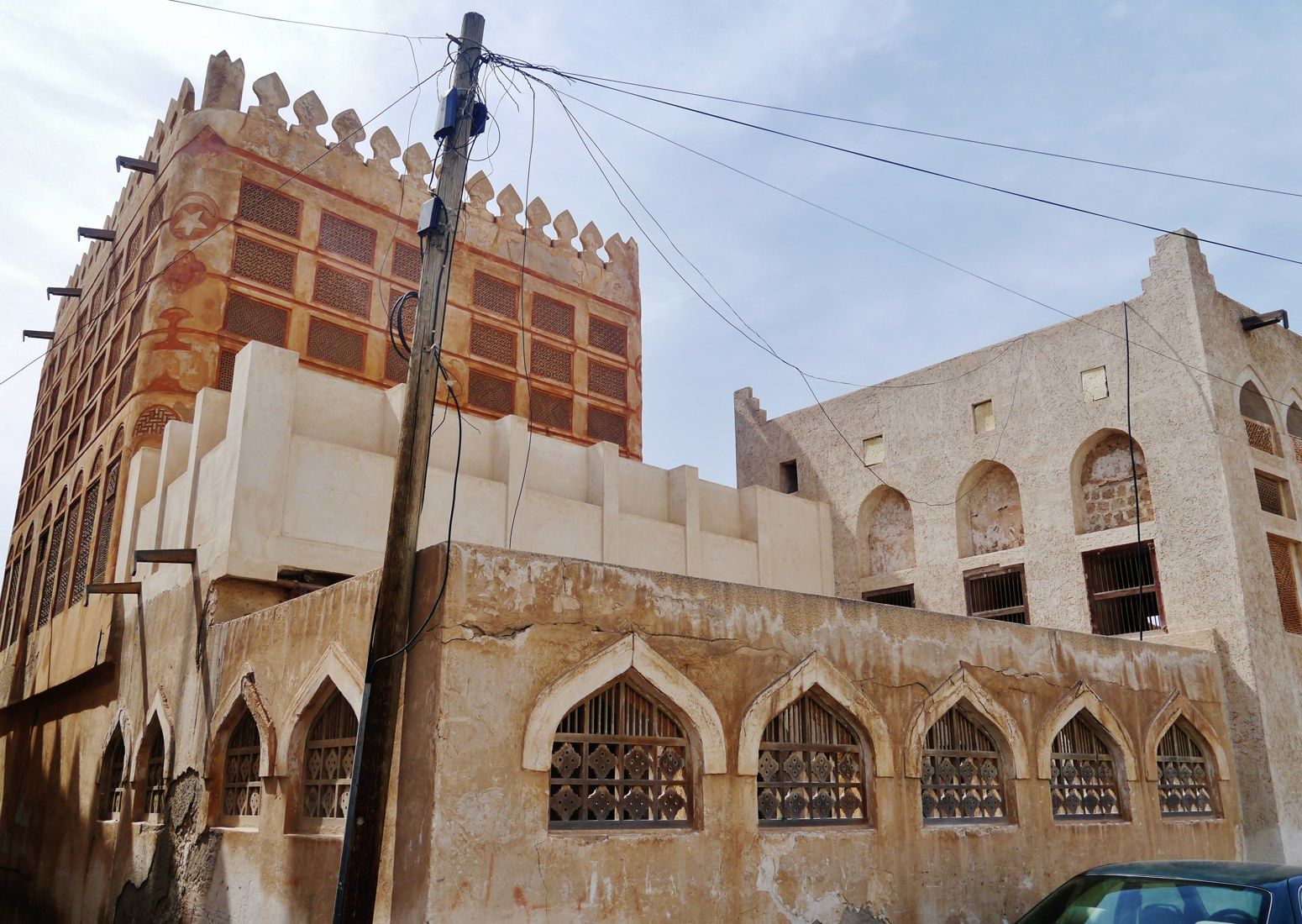
An investment offer across six neighbourhoods
Eskan Bank has introduced 140 investment opportunities within the first phase of the Muharraq Development Project. Reported on 3 November and carried in further coverage on 4 November, the offer spans six neighbourhoods and is being promoted with the Bahrain Economic Development Board. Its central proposition is to bring heritage property back into productive use while retaining the architectural and cultural identity that makes the district distinctive. The announcement concerns opportunities for investors; it does not say that all properties have been sold, restored or opened.
The options cover entire historic neighbourhoods, individual heritage buildings and designated areas within the project boundary. That variety is significant. A single building can support a tightly defined use, while a whole fereej requires coordinated decisions about access, services and the relationship between neighbouring properties. The published figure describes the opportunity pipeline, rather than a completed investment total or a uniform set of interchangeable assets.
Heritage development is different from a vacant-site project
Muharraq’s value rests partly in the relationship between buildings, lanes and established community life. UNESCO’s description of Bahrain’s pearling World Heritage property identifies merchant residences, shops, storehouses and a mosque among its historic urban components. That listing supplies cultural context for the city; it does not establish that every property in Eskan’s new offer is part of the UNESCO property. Investors and readers should keep those boundaries separate until the individual sites are identified.
The practical development challenge is therefore more complex than adding new commercial floor space. A viable reuse must fit the building and the neighbourhood. That can affect the scale of services, how modern utilities are introduced and how people move through a site. These are general implications of working with existing heritage fabric, not a list of works already approved for the 140 opportunities. Each property will need its own documented scope.
A wider programme already has physical objectives
In a September statement published by Eskan Bank, Housing and Urban Planning Minister Amna bint Ahmed Al Romaihi described wider Muharraq project deliverables including 300 new and restored homes, improvements to five major streets, parking, public squares and a dedicated urban development guideline. The same statement said Eskan had purchased ten heritage properties as an early institutional participant. Those earlier programme figures provide background; they should not be added to the 140 as though all numbers represented the same type of asset.
The distinction matters for measuring progress. Housing delivery, street upgrades, property acquisitions and invitations to invest are different milestones. A neighbourhood can improve through infrastructure before a particular commercial use opens, while a purchased building may still require design and restoration. Reporting each measure separately gives residents and investors a clearer picture than treating the entire programme as a single headline investment number.
Why whole-neighbourhood investment changes the task
Eskan’s general manager Abdulla Taleb said integrated development can bring heritage buildings under a common vision while preserving the urban fabric. The bank’s announcement places environmental, social and governance principles at the centre of the offer. Those commitments set a direction, but their practical force will depend on the site-level requirements and contractual responsibilities presented to investors. A label alone does not tell a prospective operator what alterations are allowed, who maintains shared spaces or how community needs will be protected.
From an operating perspective, a coordinated neighbourhood can align opening hours, servicing and the mix of uses. It can also make the division of responsibilities more demanding. Shared access, utilities and maintenance need clear ownership and funding arrangements. This is analysis of the model, rather than a claim about specific contract provisions. The published announcement has not supplied a complete investment prospectus for each site.
The documents that will determine practical participation
The material reviewed does not set out a universal price, application deadline, return target or financing package for the 140 opportunities. It also does not establish that each opportunity is available on identical ownership terms. Interested parties therefore need the relevant property schedule and transaction documents before evaluating feasibility. A restaurateur considering one building and an institution considering an entire neighbourhood would face substantially different operating and capital questions.
The most useful disclosures would connect the cultural objective to the investment decision: an exact site boundary, existing condition, permitted uses, conservation requirements, infrastructure responsibilities and the expected delivery programme. Those details determine whether an intended business use is technically and financially compatible with the asset. They also make it possible to distinguish restoration costs from later fit-out and operation, avoiding the assumption that a heritage property can be assessed like a finished modern commercial unit.
What success would mean for Muharraq
For residents, the relevant result is not simply the number of investment expressions received. It is whether buildings become sustainably occupied, neighbourhood services improve and the district remains a place to live as well as visit. For the public agencies, the programme creates a way to combine private capital with urban improvements. For investors, it offers access to distinctive places whose appeal depends on the care taken to preserve their character.
Future reporting should track commitments, approved reuse plans, restoration starts and completed openings as separate steps. The latest offer broadens the pool of potential participants and gives the first phase a defined scale across six neighbourhoods. Its long-term significance will depend on how investment terms, conservation practice and everyday community use are brought together in the actual properties. That is the test behind the new pipeline, beyond the headline count of 140 opportunities.
Gabriel Nicolaev – CyGuru