
Saudi Arabia / Travel
Hegra Without the Rush: Turn AlUla’s Archaeological Visit Into a Deeper Experience
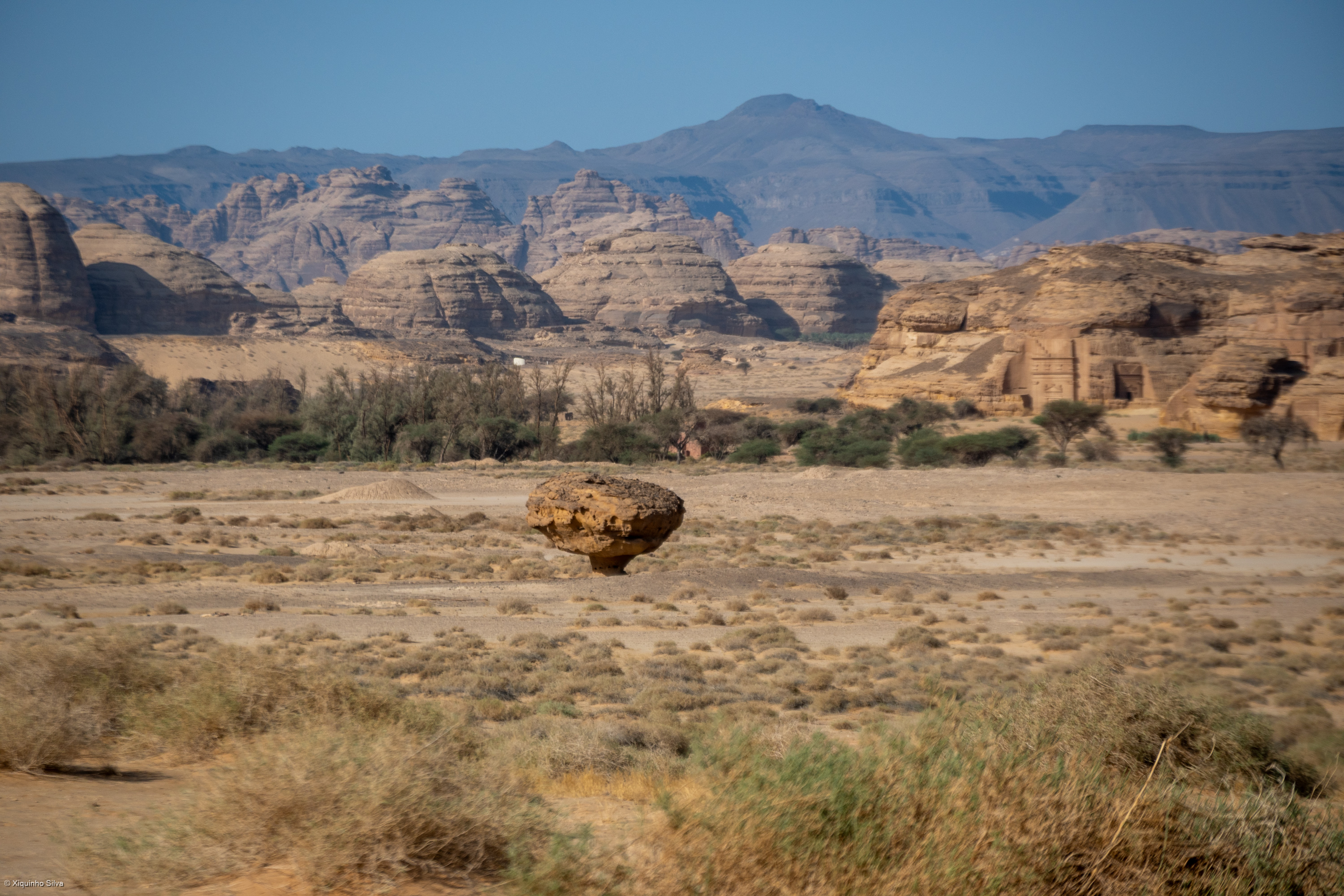
Hegra’s sandstone façades are striking, but the image alone tells only part of the story. The archaeological site is evidence of a society that built, commemorated and managed resources in a demanding environment. A better visit gives those questions time, instead of treating Hegra as a quick stop in AlUla.
Know what the site represents
UNESCO describes Hegra as a major surviving Nabataean site south of Petra, with monumental tombs, inscriptions and wells. Its significance therefore extends beyond a single recognisable façade. The remains invite questions about community, skills, movement and the practical organisation of life as well as commemoration.
Do not confuse a burial monument with an ordinary house or assume that the most photographed structure stands for the entire settlement. Read the interpretation associated with the specific feature in front of you. Archaeological understanding depends on context; a dramatic surface becomes more interesting when you know what evidence supports the explanation attached to it.
Distinguish Hegra from AlUla
AlUla is the wider destination. The official Saudi tourism account presents an area that also includes an old town, distinctive landscapes and contemporary cultural venues. Hegra should have its own place in the itinerary rather than being treated as another interchangeable photo location between meals and hotel transfers.
Choose the archaeological experience first, then work outward to the rest of the day. Confirm how the visit operates through current official booking information. Transport, departure points and access conditions may determine the sequence more strongly than the distance shown on a map. A flexible afternoon is often more useful than a tightly packed set of unrelated reservations.
Look for evidence of practical intelligence
Monumental architecture naturally attracts attention, but water management is another route into the site’s meaning. UNESCO specifically identifies wells among the remains. That detail helps shift the visitor’s focus from spectacle to the practical systems that made settlement possible. Ask what people had to know, maintain and coordinate to use the landscape.
The same approach works with inscriptions. They are evidence within an archaeological setting, not a decorative invitation to touch or trace the surface. Use the available interpretation and keep the boundary between observation and speculation clear. When the evidence is incomplete, uncertainty is part of the explanation rather than a gap to fill with an attractive story.
Build conservation into your behaviour
Follow the authorised route, guide instructions and site rules. Avoid climbing on remains or moving loose material for a photograph. A visitor can leave a lasting effect without intending damage, especially when many people repeat the same action. Distance and restraint are part of access to an archaeological landscape.
Prepare for time outdoors and check conditions before leaving. Footwear, water, sun protection and a realistic assessment of the group’s needs matter more than the ambition to see every viewpoint. If your schedule includes older relatives or children, ask in advance how the specific experience handles walking, shade, transport and breaks.
Make the final photograph more informative
Before taking the last picture, identify what you want it to record. A façade detail, a relationship between monuments or the scale of the surrounding terrain can preserve an observation. A photograph becomes a more valuable memory when the caption names what you actually learned rather than simply saying that the place was impressive.
Hegra does not require visitors to arrive with specialist knowledge. It does reward a willingness to observe carefully and accept that archaeology develops through evidence. Giving the site that attention makes the rest of an AlUla journey richer, because the landscape begins to carry human history rather than serving only as scenery.
Gabriel Nicolaev – CyGuru
Sources & further reading
UNESCO — Hegra Archaeological Site
Visit Saudi — AlUla destination overview
Photograph: xiquinhosilva — original file and attribution
Photograph licence: Creative Commons Attribution 4.0 International
Related on MyGCCNews
Riyadh, Jeddah and AlUla: Build a Saudi Trip With Three Distinct Chapters
Visiting Saudi Arabia With Cultural Attention: Observe Before You Assume
One GCC Trip, Different Rail Networks: Plan Dubai, Doha and Riyadh Separately