
GCC / Travel
One GCC Trip, Different Rail Networks: Plan Dubai, Doha and Riyadh Separately
A multi-city Gulf itinerary can make different transport networks look deceptively interchangeable. Dubai, Doha and Riyadh each offer rail-based urban journeys, but a useful plan starts with the actual local network. A familiar colour on a map does not imply the same ticket, route or operating arrangement in another city.
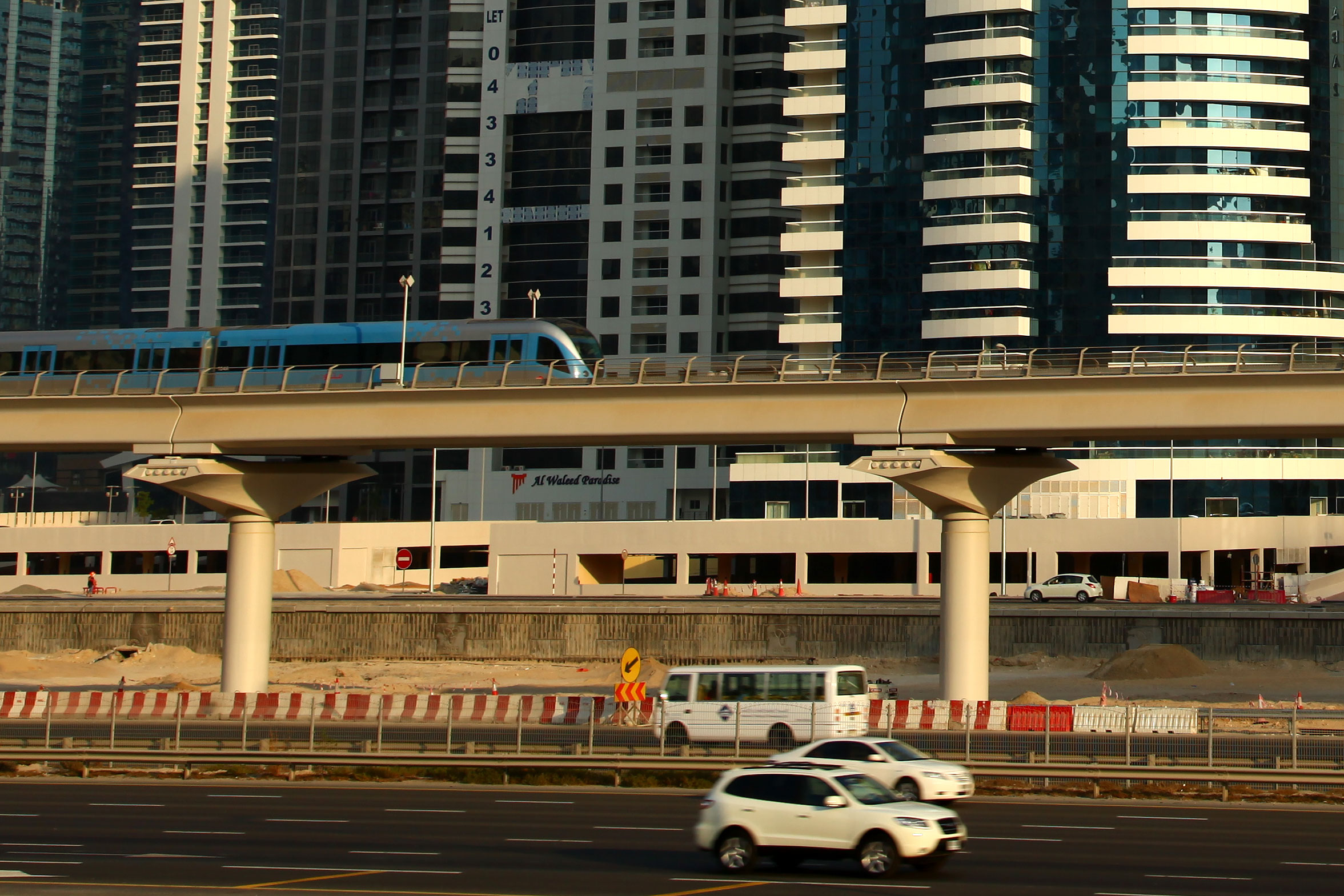
Treat each city as its own transport system
Dubai’s Roads and Transport Authority publishes a combined metro and tram station map. Visit Qatar explains Doha’s Red, Green and Gold metro lines, while Saudi Arabia’s national portal directs travellers to Riyadh’s public-transport platform for station and route information. These are separate planning resources, not parts of a single GCC urban-rail service.
Save the relevant official source before arrival in each city. Do not carry assumptions about ticket media, concessions or passenger rules from the previous stop. Even where two journeys seem similar, the operator’s current conditions determine how the service can be used. Regional proximity does not make a local fare product transferable.
Plan the journey from entrance to entrance
A rail map describes stations and connections. It does not fully describe the walk from a hotel door to the station entrance, the time required for an interchange or the final route to a destination. Those details can determine whether a seemingly simple journey is convenient for a particular traveller.
Check which entrance serves the direction you need and whether the destination can be reached comfortably from the station. Account for road crossings, weather and mobility needs. A straight line on a phone map can hide a much less direct pedestrian route. Compare complete door-to-door journeys rather than the time spent aboard the train alone.
Use network structure to group activities
In Doha, the official tourism explanation distinguishes the roles of the three metro lines and identifies interchange points. Dubai’s official map similarly helps visitors see how the metro and tram network fits together. Use this information to group activities by workable routes rather than by an arbitrary list of famous places.
For Riyadh, begin with the current station and route information on the public-transport platform. Do not rely on an older diagram that may not reflect the service you intend to use. The general principle is the same in all three cities: establish the operating journey first, then decide how much of the itinerary belongs around it.
Verify the last return before the first departure
Operating arrangements can differ by day, event or service. Check the current timetable and leave a margin around the last practical connection. The time a station closes is not necessarily the departure time of the train that completes your particular route. A journey with a transfer may need an earlier start than a direct trip.
Keep an alternative available if the evening runs late. This is especially important when travelling with children, luggage or someone who cannot comfortably walk a long final distance. Decide how the group will communicate if separated and avoid relying entirely on one person’s phone for every ticket, map and contact detail.
Let public transport improve the itinerary
The advantage of rail is not only a possible saving on individual journeys. It can make the shape of a city more legible and help visitors build a day around connected neighbourhoods. That value disappears when the schedule includes repeated cross-city detours simply because every attraction has been placed on the same checklist.
A better regional trip respects local differences while using a consistent method: consult the operator, check the full route, allow time for transfers and confirm the return. This approach works across the GCC without pretending that the region already offers one unified metro experience or that a map alone settles every practical question.
Gabriel Nicolaev – CyGuru
Sources & further reading
Dubai RTA — Metro and tram station map
Visit Qatar — Doha Metro guide
Saudi national portal — Riyadh Metro stations and routes
Photograph: (WT-en) Katanasov at English Wikivoyage — original file and attribution
Photograph licence: Public domain
Related on MyGCCNews
Explore the UAE country edition
Explore the Qatar country edition
The Gulf Before the Skyline: Read GCC Heritage Through Trade, Water and Settlement