
GCC / Explore
The Gulf Before the Skyline: Read GCC Heritage Through Trade, Water and Settlement
GCC heritage becomes more informative when sites are connected by questions rather than ranked as competing attractions. Trade, access to water and the organisation of settlement offer three useful starting points. They reveal relationships across the region while leaving room for the differences that make each place historically distinct.
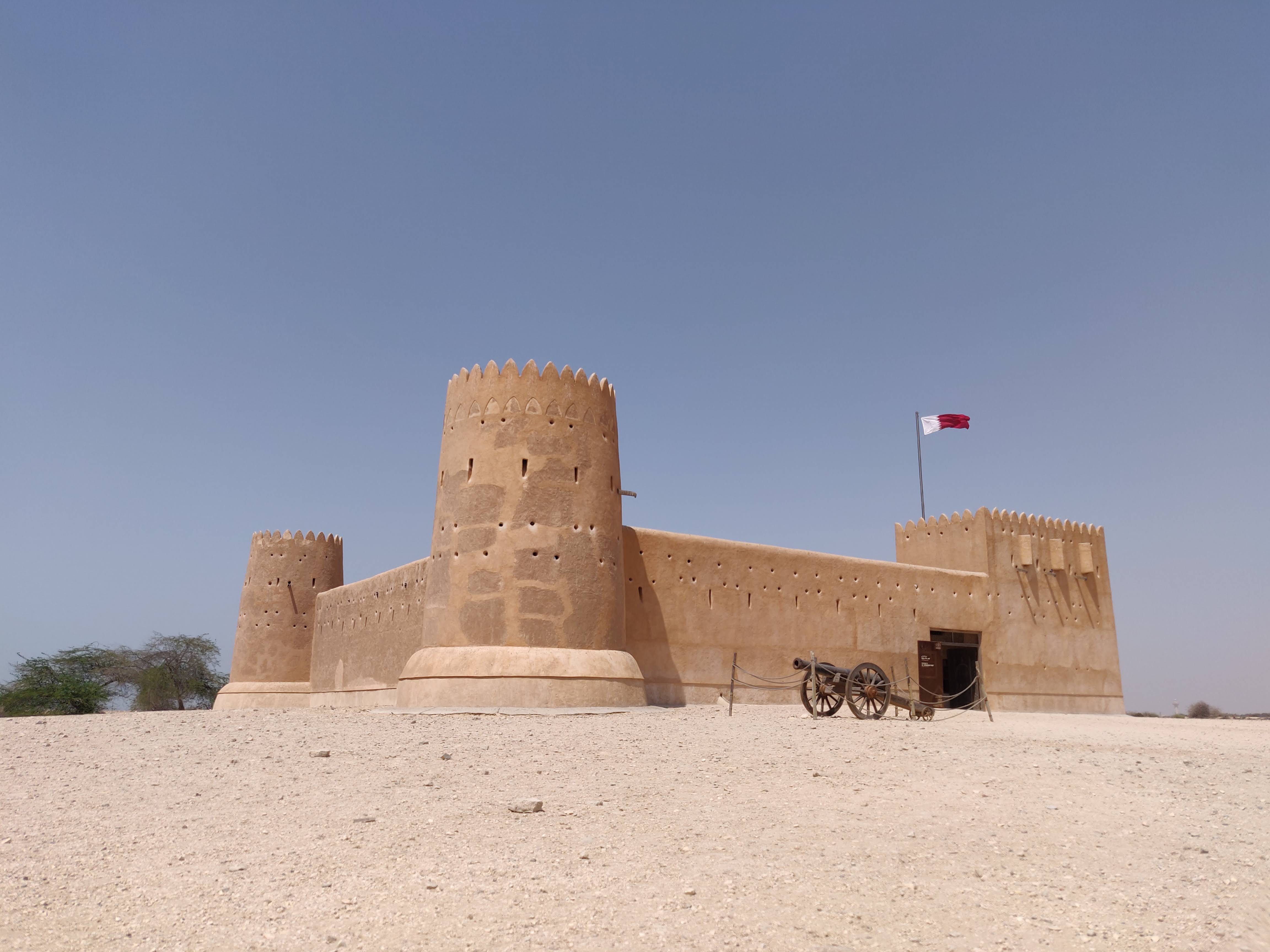
Begin with connections without assuming sameness
UNESCO’s accounts of Qal’at al-Bahrain and Al Zubarah place both within histories of maritime exchange, but they describe different settlements and periods. Hegra, in present-day Saudi Arabia, presents another relationship between monumental remains and the practical demands of a landscape. These examples should not be compressed into one generic story of the Gulf.
Use a comparison to generate questions, not to erase differences. What kind of evidence survives at each site? Which activities can be identified from the archaeology? What is known from an inscription, a building or a recovered object? The answers may vary, and that variation is precisely what makes a regional view useful.
Treat trade as a system of ordinary work
A trading settlement is more than a point on a route map. Exchange requires the movement and storage of goods, local knowledge, relationships and the ability to organise resources. UNESCO’s description of Al Zubarah connects the coastal town with pearling and wider trading links. That establishes a context without explaining every activity at every surviving structure.
When visiting, look for interpretation that connects a specific object or space with that broader system. Avoid assigning a convenient commercial function to an unidentified room. Regional history becomes clearer when large patterns are anchored in evidence, rather than when a general theme is repeated over every photograph.
Follow the question of water
Water offers another way to compare sites without treating them as identical. UNESCO includes wells in its account of Hegra, while its description of Al Zubarah refers to evidence of managing and protecting supplies. These details help visitors notice practical intelligence alongside the more visually dramatic remains.
Ask what had to be built, maintained and coordinated for settlement to continue. Then check how the institution supports its explanation. A visible feature may invite an interesting hypothesis, but a visitor’s guess is not the same as an archaeological conclusion. Keeping that distinction clear makes the experience more rigorous without making it inaccessible.
Read the settlement, not only the landmark
A fort, tomb façade or museum can become the recognisable symbol of a much larger place. At Qal’at al-Bahrain, the visible fort belongs within a layered archaeological landscape. At Al Zubarah, the famous fort should not be mistaken for the entire historic town described in the heritage record.
Allow time to understand the property’s boundaries and the relationship between the main landmark, the surrounding remains and the interpretation provided. A useful regional itinerary might compare two sites carefully rather than racing through many locations that remain unnamed and unexplained in the visitor’s memory.
Make heritage travel an exercise in precision
Before sharing a photograph, identify the site and the feature accurately. Distinguish what the official account establishes from your own interpretation. Avoid attaching a sweeping claim about all GCC countries to evidence from one location. The modern regional grouping contains many historical trajectories, not a single uninterrupted urban story.
This approach makes travel richer because it connects the spectacular with the practical: monuments with materials, cities with supplies and exchange with daily work. The Gulf before the skyline becomes visible through specific places and careful questions. Reading those places closely can change how visitors understand the contemporary region, without pretending that the past supplies a simple explanation for everything it has become.
Gabriel Nicolaev – CyGuru
Sources & further reading
UNESCO — Al Zubarah Archaeological Site
UNESCO — Hegra Archaeological Site
Photograph: Ray4287 — original file and attribution
Photograph licence: Creative Commons Attribution-Share Alike 4.0 International
Related on MyGCCNews
Explore the UAE country edition
Explore the Qatar country edition
One GCC Trip, Different Rail Networks: Plan Dubai, Doha and Riyadh Separately