
Saudi Arabia / Explore
Reading At-Turaif: What Diriyah’s Architecture Reveals Beyond the Photograph
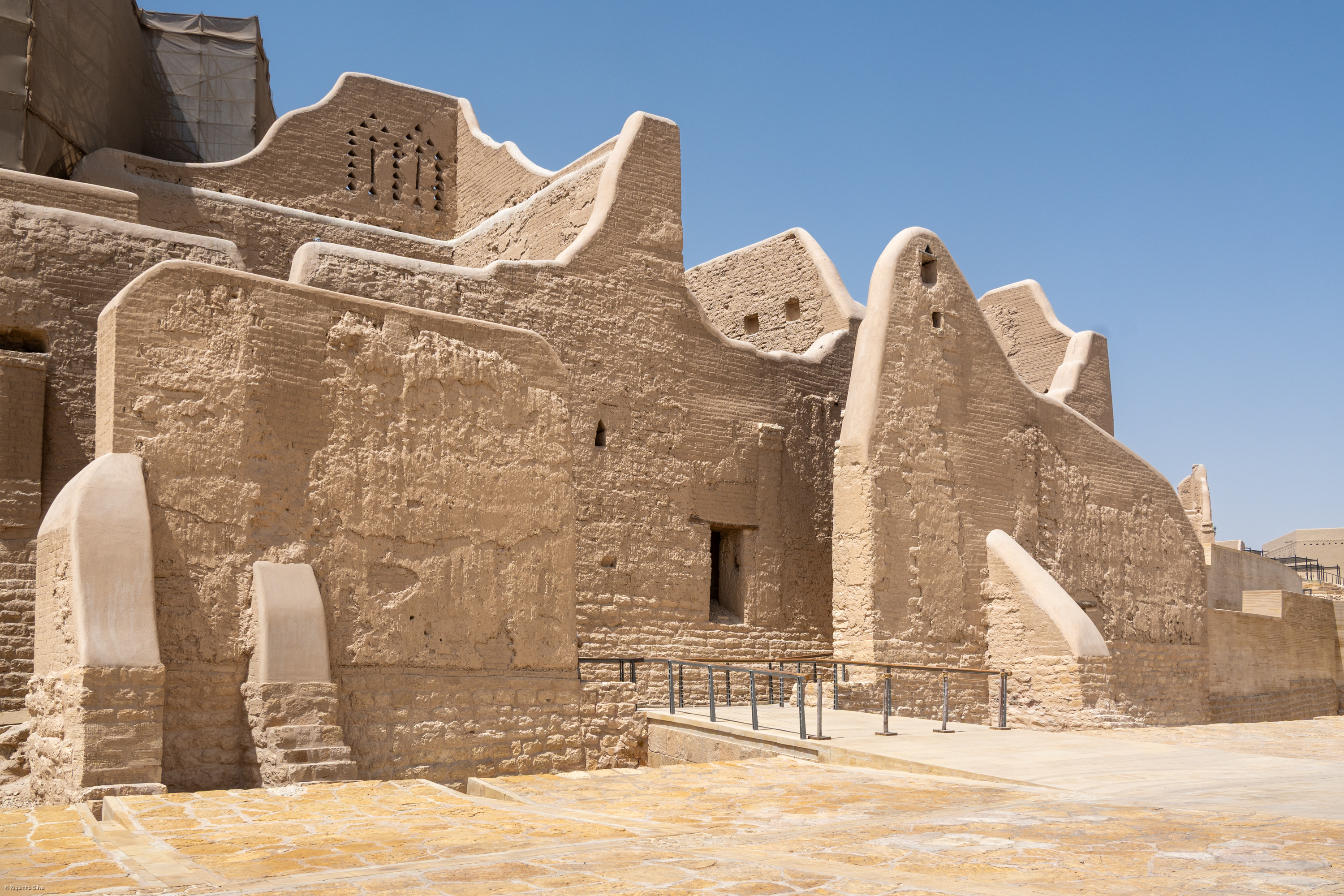
At-Turaif is easier to understand when you stop treating its walls as a decorative surface. The historic district in Diriyah connects political history with a particular building tradition and landscape. A slower visit can reveal why the settlement took this form, and why its conservation matters.
Separate the heritage property from the wider destination
Diriyah is a broader destination, while At-Turaif is the specific historic district recognised by UNESCO. The distinction matters when booking a visit or reading promotional descriptions. A meal, event or hotel elsewhere in the area is not the same experience as entering the heritage property and engaging with its interpretation.
UNESCO identifies the district with the early Saudi dynasty and the Najdi architectural tradition of central Arabia. Use that framework to prepare a small set of questions. How do the buildings organise movement? What makes the decoration recognisable? How does the settlement relate to an oasis environment? These questions give the visit a purpose beyond collecting views.
Read construction as a response to place
The district’s earthen building tradition should be understood in relation to materials, climate and local knowledge. Look at the proportions of openings, the relationship between enclosed and open spaces and the way walls establish privacy and circulation. Avoid assuming that a historic structure was designed around today’s visitor route.
Conservation also requires interpretation. Some elements communicate the surviving historic fabric, while others help people understand the site safely. Ask a guide or consult the interpretation when the distinction is unclear. Visible age is not the only sign of authenticity, and a recently maintained surface does not by itself explain the history beneath it.
Give historical claims their proper scale
A heritage district can carry a national story without making every visitor an expert in that story. Read the institutional explanation carefully and distinguish documented history from personal impressions. If a particular building or room interests you, identify its name and function before drawing conclusions from its appearance.
For families, architectural observation can provide an accessible starting point. Compare doorways, shade, wall thickness or patterns, then connect those observations to the published interpretation. Children do not need a simplified invented story. They need a concrete detail that helps them ask a better question about how people lived and organised their surroundings.
Plan for an outdoor cultural visit
Use Diriyah’s official At-Turaif page for current visitor arrangements. Opening windows, ticket conditions, programmes and access routes should be reconfirmed close to the day. A heritage designation does not imply unrestricted access to every part of a property, and an attractive evening photograph is not evidence that every visitor service operates at that hour.
Allow time for arrival and for the transition between outdoor paths and interpreted spaces. Ask about mobility requirements before booking if someone needs assistance. A route that looks compact on a map can still contain changes of level or surfaces that affect how comfortably the group moves through it.
Connect the visit to contemporary Saudi Arabia
The useful connection between past and present is not a claim that the country has remained unchanged. It is an opportunity to see how a specific architectural language and historical centre are presented within a contemporary cultural destination. That relationship invites observation rather than a ready-made conclusion.
Leave with one detail you can describe accurately: a spatial arrangement, a material or a piece of interpretation. It will make a stronger account of Diriyah than an album of unnamed walls. At-Turaif rewards visitors who give its historical meaning the same attention as its visual appeal.
Gabriel Nicolaev – CyGuru
Sources & further reading
UNESCO — At-Turaif District in ad-Dir’iyah
Diriyah — Official At-Turaif visitor information
Photograph: xiquinhosilva — original file and attribution
Photograph licence: Creative Commons Attribution 2.0 Generic
Related on MyGCCNews
Riyadh, Jeddah and AlUla: Build a Saudi Trip With Three Distinct Chapters
Visiting Saudi Arabia With Cultural Attention: Observe Before You Assume
The Gulf Before the Skyline: Read GCC Heritage Through Trade, Water and Settlement