
Qatar / Sport
Beyond the World Cup Photograph: How to Experience Qatar’s Sporting Ecosystem
Qatar’s sporting landscape is more than a collection of stadium façades. A worthwhile visit distinguishes live competition, museum interpretation, public recreation and specialist training facilities—then checks what is genuinely available on the day.
Begin with the experience, not the stadium count
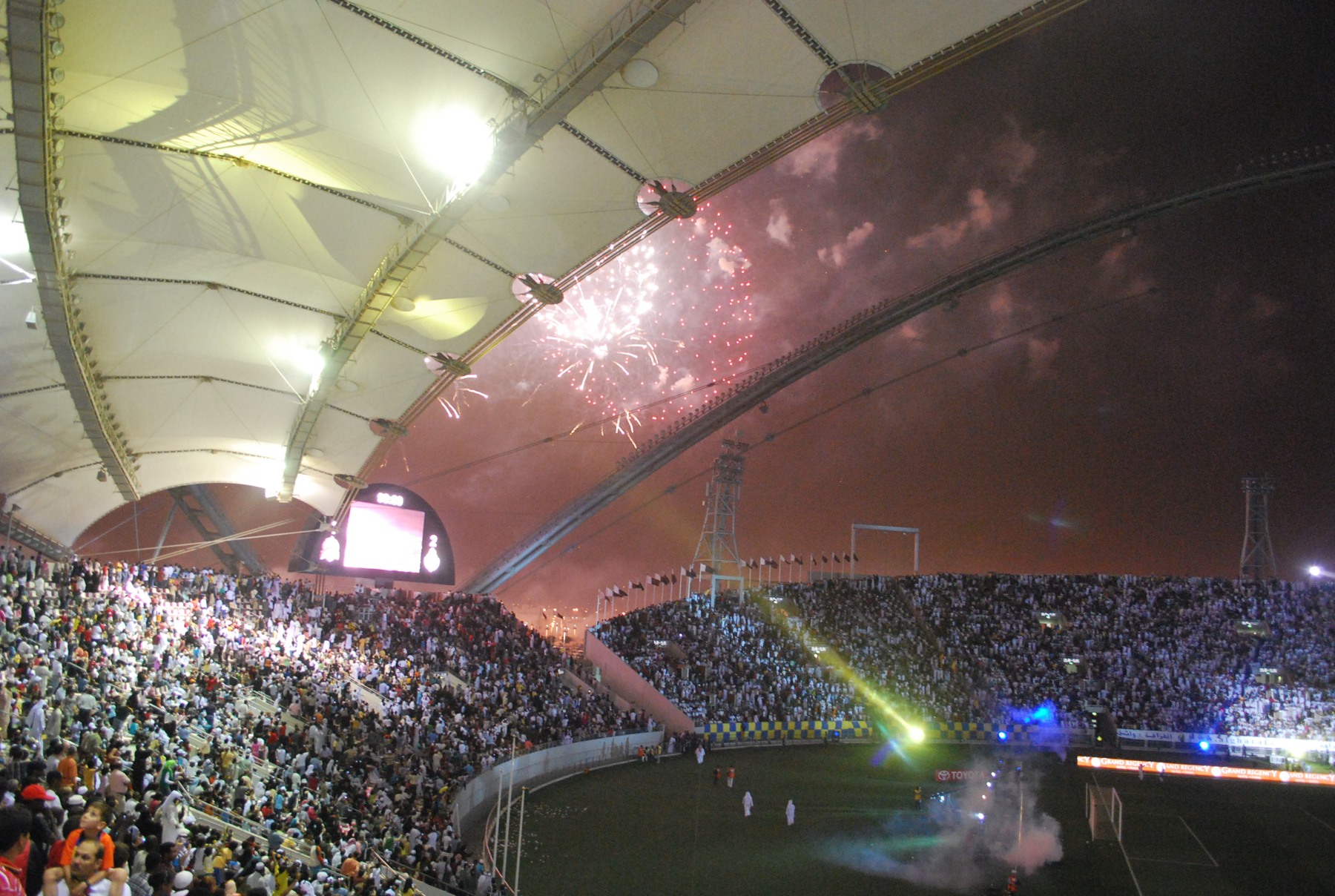
The most familiar sporting image of Qatar is a major stadium illuminated for an international event. That image tells only part of the story. A stadium can be an architectural landmark, a competition venue and the centre of a wider district, but those uses do not create the same visitor experience. Someone who wants to watch football needs a confirmed fixture and ticket. Someone interested in sporting history may be better served by a museum. A resident seeking regular exercise needs an accessible routine, not a list of prestigious buildings.
Choose the purpose before choosing the venue. Decide whether the visit is about participation, spectatorship, architecture or interpretation. It is possible to combine these interests, but doing so deliberately produces a better day than collecting distant stadium photographs without understanding what happens inside them. This article examines the sporting ecosystem rather than offering an unverified calendar. It does not assume that a venue is open for public touring, that a legacy proposal has already been completed or that an event listed in an older guide is taking place again this season.
Distinguish a legacy plan from a completed change
The stadium legacy discussion around the 2022 World Cup included proposals for future use, capacity changes and community functions. Such statements should be read in their original context. A plan announced before or during a tournament is not proof that the physical conversion has been completed. The current operator, competition organiser or venue authority is the appropriate source for what a visitor can book now. Historical legacy material is useful for understanding intent, but it should not be used as an up-to-date access guide.
This distinction matters particularly for striking stories about dismantling, donated seats or new neighbourhood uses. A responsible account identifies whether it is describing a design concept, an announced programme or an observed current operation. For practical planning, the question is simpler: what is confirmed for the date you intend to attend? Check the current venue and event information, then build the journey around that evidence. This avoids the disappointment of arriving to find a closed entrance or a different operational arrangement. It also creates a more accurate conversation about how sporting infrastructure is used over time.
Understand the relationship between landmark and local football
Qatar’s football landscape includes internationally recognised stadiums and domestic club grounds. The Qatar Football Association’s historical overview presents both parts of that landscape, while the Qatar Stars League is the practical starting point for its own match information and ticketing. A visitor who only searches for the largest venue can miss the competition that is actually scheduled during the stay. The event should lead the plan; the desired photograph should not be allowed to invent a fixture.
Start with the official match listing, confirm the competition and verify the venue named for that particular game. Then check the ticket category, entry arrangements and any operational notices attached to the event. Club identity and atmosphere can give a domestic match its interest even when it does not use the venue most associated with television images of 2022. For a newcomer, learning which clubs are playing and what the competition means adds substance to the visit. It turns a sporting outing into an encounter with an ongoing local calendar rather than a reconstruction of a past tournament.
Buy the event that is actually being sold
The Qatar Stars League’s official FAQ directs spectators to its ticketing platform and explains the online ticket process. Use that current route and the specific match listing to confirm the available categories and conditions. Do not assume that prices or arrangements quoted for a past season apply unchanged. A ticket for one competition also does not establish access to a different event, a stadium tour or an adjacent facility. The product being purchased should be identifiable from the confirmation.
Check the date, start time, venue, seating or admission category and the way the ticket must be presented. Confirm arrangements for each member of the group rather than assuming one person’s booking covers everybody’s access needs. If travelling with children or someone who requires assistance, resolve the relevant entry and seating questions before departure. Keep the official confirmation available in an accessible form, and leave time to deal with ordinary checks at the entrance. These preparations are simple, but they determine whether the first part of the outing is spent enjoying the occasion or resolving a preventable booking misunderstanding.
Read Aspire Zone as a connected sporting district
Aspire Zone’s official venue directory brings together facilities with different purposes, including Khalifa International Stadium, Aspire Dome, Aspire Park and specialist institutions. The value of the district is not that every building can be entered casually. It is that sport, training, public space, hospitality and associated services can be understood within one setting. A visitor can plan a focused outing there without pretending that elite facilities operate like unrestricted public attractions.
Choose the parts of the district that match the intended activity and confirm their access arrangements independently. A walk in a public park, attendance at a ticketed event and a specialist facility booking are separate experiences. When a tour is offered, check the actual route and whether it includes the areas you want to see. Do not turn the visibility of an impressive building into an assumption of interior access. Understanding those boundaries improves the visit and respects the work being done in facilities whose main purpose may be athlete preparation, education or clinical care rather than tourism.
Use the sports museum to connect achievement with context
Qatar Museums includes the 3-2-1 Qatar Olympic and Sports Museum in its official visiting and ticketing information. The institution provides a route into sporting culture that differs from attending a match. Museum interpretation can connect individual achievement with institutions, equipment, competition and the development of sport. For a family or a visitor arriving outside a major event window, that can be more informative than travelling between empty venues in the hope of finding something happening.
Check current opening days, ticket conditions and exhibition dates before building a museum visit into the plan. An upcoming exhibition should not be described as already open, and a ticket’s coverage should be verified through the current listing. Give the visit a question: how are sporting achievements recorded, how does equipment shape performance, or how do international events become part of a country’s public story? That question helps turn interactive displays and objects into a connected experience. The museum then becomes more than an indoor alternative when a stadium is unavailable; it becomes a way to understand why the sporting infrastructure exists.
Recognise public recreation as part of the legacy
A country’s sporting life is also visible in places where ordinary people walk, run and spend time outdoors. Aspire Park’s official description identifies walking and running tracks, exercise areas and family facilities. These features serve a different purpose from a competition stadium. For residents, the most valuable sporting infrastructure may be the place they can reach repeatedly and use comfortably, rather than the venue that appears most often in international coverage.
Assess public recreation through practical access. Consider the route, the time of day, available amenities and whether the setting suits the household’s needs. A visitor might combine an easy park visit with another confirmed activity nearby, while a resident may use the same location to establish a weekly routine. Avoid presenting this as personalised exercise guidance or promising that a public space is suitable for every person or every weather condition. The broader point is that sporting participation depends on ordinary usability. A well-designed plan pays attention to these accessible settings instead of treating participation as something that only happens inside elite facilities.
Plan the final kilometre and the journey home
A station or car park near a venue is not the end of transport planning. Large sporting sites have entrances, security arrangements and pedestrian routes that can differ between events. The correct gate may matter more than the shortest line on a map. Verify the event organiser’s access information and allow time for the final approach. If using public transport, check the current operating hours and how the return journey fits the expected end of the event.
Agree on the group’s meeting point and fallback route before entering. Keep the transport decision realistic for the people attending, particularly after a late finish or when travelling with children. A taxi pickup location may require a walk beyond the immediate entrance, while a train journey may involve waiting or an interchange. These are normal logistics rather than reasons to avoid attending. Planning them in advance preserves the enjoyment of the event. It also makes it easier to compare venues honestly: an apparently less convenient stadium may offer a simpler complete journey for a particular household than the better-known alternative.
For a first visit, build in time to understand the venue rather than treating every minute before the start as spare time for another attraction. Locate the correct entrance, orient the group and identify the agreed meeting point. If purchasing food or merchandise, check the event’s own payment arrangements instead of assuming every option will be available. Keep essential medication and personal items within the organiser’s permitted-bag rules. Do not rely on storage being provided unless the event confirms it. These details rarely appear in an architectural description, yet they strongly influence how comfortable the outing feels. The experience begins with the approach to the venue and ends with the return home; evaluating only the period of play overlooks much of what a spectator actually needs to manage.
Keep specialist services separate from casual visitor access
Aspire’s official services information distinguishes sporting operations, education, research and sports medicine. These activities help explain the depth of Qatar’s sporting ecosystem, but their presence does not imply that a visitor can join an elite training session, enter an academy or obtain clinical care without the relevant process. A specialist institution should be approached through its own official channels, with a clear understanding of the service requested and the eligibility or booking requirements.
For parents exploring organised sport, the useful questions concern programme suitability, coaching arrangements, safeguarding, scheduling and the commitments expected from the family. A prestigious name alone does not answer those questions. For businesses interested in a sports event or facility service, the relevant conversation concerns scope, capacity and confirmed commercial terms. Keeping these purposes separate avoids exaggerated promises about access. It also supports a more realistic view of the ecosystem: public recreation, professional performance, education, events and medical services interact, but they retain different responsibilities and different entry conditions.
Judge sporting depth by repeat use, not one spectacular occasion
The World Cup remains an important reference point, but an enduring sporting ecosystem is experienced through what happens between major tournaments. Domestic competition, museum programmes, public spaces, training institutions and venue operations each contribute in a different way. A visitor does not need to see everything to understand that network. One live match, a thoughtful museum visit or a well-planned district outing can offer a stronger encounter than a long list of exterior photographs collected without context.
For residents, the more useful question is what can become part of ordinary life. Which activity can be reached reliably? Which club or competition is worth following? Which public setting works for a recurring family outing? For travellers, the question is what is confirmed during the actual stay. Begin with current official information and distinguish it from historical material and future plans. Qatar’s sporting infrastructure becomes more interesting when it is read as a set of living institutions rather than a finished monument to a single tournament. The experience improves when the plan follows that reality.
Gabriel Nicolaev – CyGuru
Sources & further reading
Qatar Football Association: football history and stadium landscape
Qatar Stars League: official ticketing FAQ
Aspire Zone: venues and facilities
Aspire Zone: sports, education and specialist services
Qatar Museums: current visiting hours
Qatar Museums: sports museum ticketing and exhibitions
Photograph: daly3d abd from Qatar, Doha — original file and attribution
Related on MyGCCNews
Travel planning and itineraries
Qatar’s LNG Economy: Where Local Supplier Opportunity Actually Begins