
Qatar / Business
Qatar’s LNG Economy: Where Local Supplier Opportunity Actually Begins
Qatar’s energy expansion attracts attention through production targets and major contracts. For smaller companies, the more useful question is narrower: which recurring operational problem can they solve, for which buyer, with evidence strong enough to survive procurement?
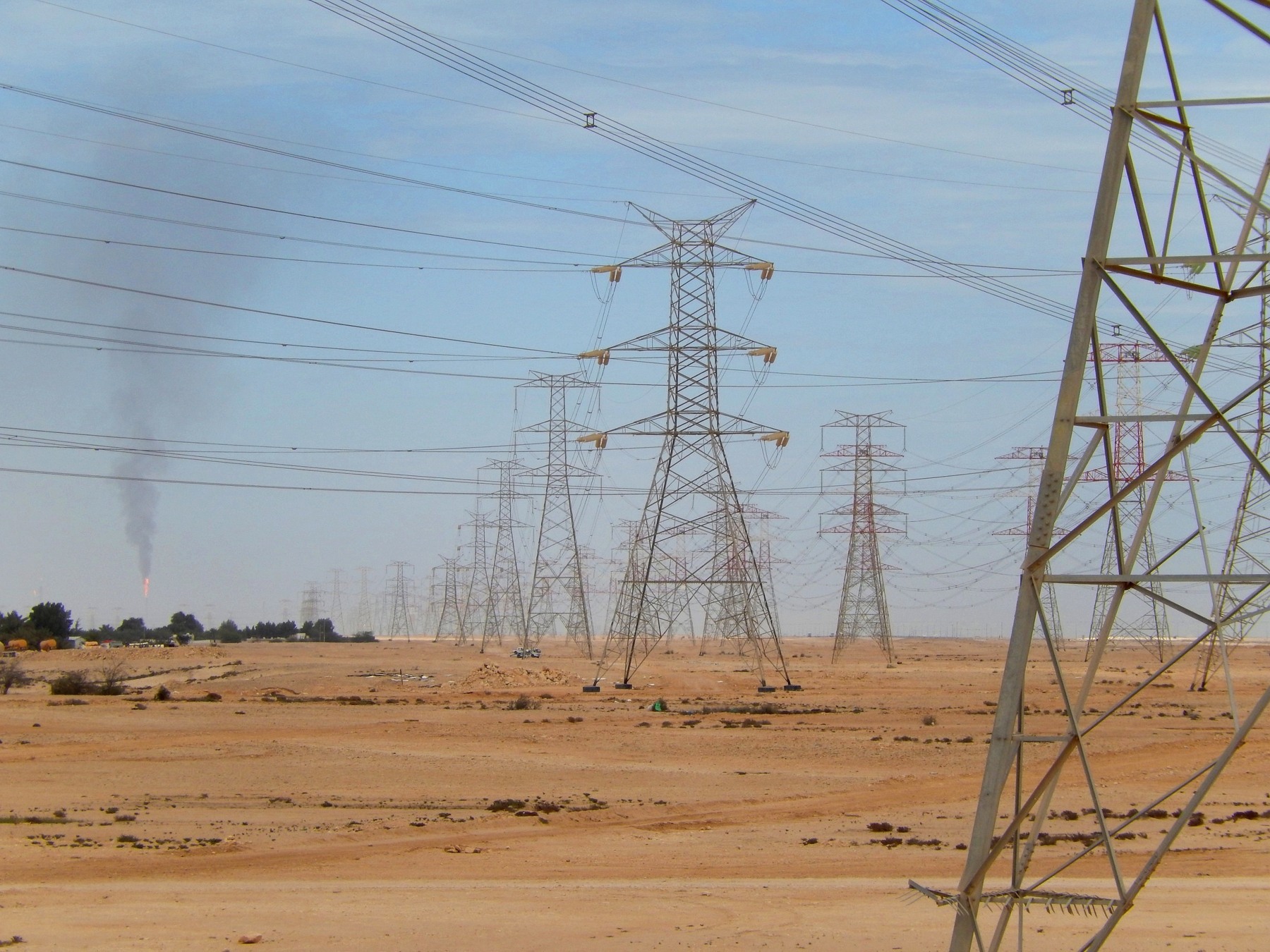
Capacity is a planning signal, not a sales forecast
QatarEnergy describes a North Field expansion programme intended to lift annual LNG capacity to 142 million tonnes by the end of 2030. That is a stated capacity objective, not a claim that this volume is already being produced or exported. Capacity, actual production, cargo movements and a contractor’s purchasing schedule are different measurements. Commissioning dates and operating conditions require current project disclosures. A supplier who turns a future capacity target directly into this year’s expected revenue skips the most important commercial questions: who buys the service, when the requirement becomes funded, and which companies are eligible to compete.
This distinction remains essential when circumstances change. A large expansion can generate construction demand, installation demand and later maintenance demand on different timelines. Some purchases arrive long before operation; others only arise after equipment has accumulated service hours. This article therefore treats expansion as the background to a supplier strategy rather than a prediction of near-term output. The analysis that follows is a practical framework for business development, not an endorsement of a project, a forecast of contract awards or a recommendation to invest in a particular company.
Find the buyer below the headline
The energy supply chain is not one purchasing desk. An asset owner may award a major package to an engineering contractor, which then sources equipment and specialist services from several tiers. A maintenance company, logistics provider or software firm must establish where its scope belongs. Selling to an operating asset, a construction consortium and an equipment manufacturer involves different specifications, decision makers, commercial risks and approval procedures. Confusing these routes produces impressive presentations that reach people without purchasing authority.
Build a buyer map around a specific deliverable. For an inspection service, identify the equipment category, the party responsible for integrity, the required approval and the person who owns the inspection schedule. For a digital product, identify the system owner, integration requirements and restrictions on operational data. The immediate customer may be a contractor rather than QatarEnergy itself. That does not diminish the opportunity; it changes the route to market. The test is whether the company can name a real purchasing process and understand its entry conditions, rather than merely naming a prominent national project as its target market.
Registration opens a process, not a contract
QatarEnergy’s vendor-registration guidance directs prospective suppliers and contractors to its Mushtaryat portal and explains the role of the SAP vendor code. Crucially, registration is not the same as qualification or prequalification for a particular commodity or scope. A company can hold a registration record and still be unsuitable for a technical package. The official process separates administrative identification from the assessment and award of actual work. These stages should also be separated in an internal sales pipeline.
Treat registration as a controlled documentation project. Assign one person responsibility for company records, ownership information, authorised contacts and renewal dates. Check that the legal entity on the portal matches the entity expected to sign, invoice and deliver. Then maintain a second readiness file for the proposed scope: relevant experience, technical resources, quality procedures and any package-specific evidence. The two files solve different problems. A clean administrative record prevents avoidable delay; a strong capability file helps the buyer decide whether the company can perform the work. Neither guarantees an invitation, a successful bid or payment for work that has not been contracted.
Local value needs an operating plan
Tawteen is QatarEnergy’s programme for developing the energy-sector supply chain. Its in-country value approach considers economic contributions such as local purchasing, capability development and investment. The official material presents localisation as more than the presence of a local office. For a supplier, the strategic implication is that a Qatar address alone does not explain how value will remain in the country. The business must show which activities it genuinely performs and how that capacity can improve over time.
Start with the operating model before pursuing a certification score. Which tasks can a local team perform without waiting for an overseas specialist? Which spare parts can be stocked responsibly, and which should remain manufacturer-controlled? How will staff be trained and technical records retained? A locally delivered service can reduce response time, but only if the skills, tools and escalation arrangements are real. Specific tender requirements, certification rules and exemptions must be checked in the current procurement documents. A general explanation of ICV is not a substitute for the rules attached to the tender being considered.
Translate expertise into evidence a buyer can assess
Procurement teams cannot evaluate enthusiasm. They need a defined scope, measurable performance and evidence that delivery can be repeated. A supplier’s capability statement should explain the problem it solves, the conditions under which it can operate and the limits of its responsibility. Previous assignments should describe the relevant work and outcome without revealing confidential client information. A technically modest service, documented clearly, is often easier to assess than a sweeping claim to provide every solution across the energy industry.
For each proposed service, assemble a small evidence chain: specification, method, responsible personnel, equipment, acceptance criteria and sample deliverable. Where a qualification or recognised certification is required, confirm its scope and validity rather than displaying an unrelated logo. Explain how nonconforming work is handled and who can authorise a change. The useful commercial question is not whether the brochure looks substantial. It is whether an unfamiliar buyer could use the submitted evidence to understand what will happen on site, how quality will be checked and who will be accountable when the original assumptions do not hold.
Separate a technically good bid from a deliverable bid
A technically acceptable proposal can still fail commercially. Imported equipment may require a longer delivery period than the project permits. A specialist team may be available for the initial task but unavailable during commissioning. A quoted price may exclude documentation, testing or a mobilisation requirement that the buyer regards as included. These are not small administrative details; they can change whether the offer is capable of being delivered at all.
Before pricing, create a compliance matrix against the actual enquiry. Mark each requirement as included, excluded, conditional or requiring clarification. Then review dependencies with operations, finance and logistics together. Sales teams naturally focus on the award date; delivery teams must understand the complete sequence after award. Do not promise a manufacturer’s approval, a customs outcome or a third party’s availability without confirmation. Where assumptions remain unresolved, make them visible through the permitted clarification process. An honest limitation can be negotiated. A hidden limitation tends to become a dispute after the buyer has already built its own schedule around the promise.
Model cash exposure before pursuing scale
A purchase order can create expenditure before it creates cash. Materials, subcontractors, accommodation, transport and testing may need funding before an invoice is accepted. Acceptance itself can depend on a complete technical file or a signed delivery record. A company that measures opportunity only by total contract value can therefore accept work that strains its ability to operate. The relevant management exercise is to map the timing and conditions of cash movements, using the actual draft contract.
Prepare an internal delivery cash-flow model rather than a generic margin calculation. Identify supplier deposits, mobilisation costs, expected billing milestones and the evidence needed for each invoice. Test what happens if one approval is delayed or a component must be replaced. Distinguish a forecast from an agreed payment obligation. This is an operational planning discipline, not personalised financial advice. If a bid requires guarantees, unusual liability or financing beyond the company’s normal capacity, obtain qualified advice before submission. Winning a contract does not improve a business if the commitments exceed its ability to fund reliable performance.
Choose a narrow entry point with repeatable value
A new supplier rarely needs to compete across every package. A more defensible starting point is a recurring problem that existing buyers already recognise: reducing a maintenance backlog, improving documentation quality, providing a specialised test, or delivering a defined component reliably. The narrower the service, the easier it becomes to establish competence, price the work and compare performance. Narrow does not mean insignificant; a small task can sit inside a critical operational sequence.
Evaluate potential niches against three questions. Is the problem sufficiently frequent to support a business? Can the company demonstrate an advantage that matters to the buyer? Can it deliver consistently without depending on one unavailable individual? The answers may lead to a service partnership, a subcontracting role or a decision to develop capability before bidding. Those outcomes are useful. They replace the vague belief that national expansion automatically creates room for every entrant with a specific thesis that can be tested through customer conversations and actual procurement requirements.
A useful pilot also needs an agreed definition of success. Specify what will be delivered, who will evaluate it and how the result will be recorded. Avoid offering an open-ended unpaid exercise that transfers responsibility without establishing a purchasing route. If a buyer cannot explain the problem or identify an owner for the evaluation, the company may need more discovery rather than more proposal writing. Clear pilot boundaries protect both sides and make the resulting evidence commercially useful.
Protect the company from false procurement signals
Large energy programmes also attract misleading approaches. QatarEnergy’s supplier FAQ states that registration and use of Mushtaryat are free, while tender-document charges are a separate matter governed by the relevant process. An unsolicited demand for a registration payment should therefore be checked against the official portal rather than accepted because an email carries a familiar logo. The same discipline applies to unusual banking instructions, requests for sensitive ownership documents and claims of guaranteed awards.
Create a simple verification routine. Navigate independently to the official website, verify the procurement reference through the published channel and confirm that any commercial commitment is authorised by the company. Do not let an urgent message bypass ordinary controls. Sales staff should know when to involve finance and management, especially before changing payment details or sending extensive corporate documents. Genuine procurement can be demanding, but pressure is not evidence of authenticity. A supplier that protects its records, verifies counterparties and maintains clear approval responsibilities is also demonstrating the operating discipline that serious buyers expect.
Make the verification routine usable under pressure. Keep an internal record of the independently checked contact, the procurement reference and the date of confirmation. Separate the person preparing a submission from the person approving an unusual payment or release of sensitive records. When a message changes bank details, requires secrecy or claims that normal competition can be bypassed, pause the transaction and verify through the established channel. These controls are inexpensive compared with the cost of a false mobilisation or a compromised corporate file. They also make the sales pipeline more accurate: a verified enquiry belongs in a forecast, while an attractive but unconfirmed approach remains a lead requiring investigation.
Build a decision calendar rather than a publicity calendar
An effective Qatar energy-market plan tracks decisions the company can influence. In the first stage, define the service and buyer route. Next, close documentation gaps and verify the correct registration and qualification process. Then test the offer against a real enquiry or a controlled pilot where the customer has a legitimate requirement. Finally, record delivery evidence and use it to improve the next submission. Each stage should have an owner, a completion condition and a clear reason to stop if the opportunity does not fit.
The strongest local supplier strategy is therefore patient but not passive. It connects the national industrial context to a buyer’s immediate problem and a company’s proven ability to deliver. Announced LNG capacity can justify attention; it cannot replace due diligence, technical competence or commercial discipline. For founders and managers, the practical objective is to build a business that remains useful through changing project timelines. That means treating procurement readiness as an operating capability, not as a form completed once or a promise that a large market will inevitably produce a sale.
Gabriel Nicolaev – CyGuru
Sources & further reading
QatarEnergy: LNG and the North Field expansion programme
QatarEnergy: vendor registration and qualification distinction
QatarEnergy: supplier FAQ and registration fees
QatarEnergy: Mushtaryat and tender requirements
QatarEnergy: Tawteen and social and economic development
Photograph: Vincent van Zeijst — original file and attribution
Photograph licence: CC BY-SA 3.0
Related on MyGCCNews
Official Qatar services and legislation
The Doha Stopover That Fits Your Flight: A Practical Planning Framework