
Oman / Travel
An Oman Road Trip That Works: Coast, Mountains and the Time Between Them
Oman rewards a road trip planned around terrain, daylight and time to stop. Connecting the coast with the Hajar Mountains requires more than drawing an attractive line between hotels: the quality of the journey depends on what you leave out.
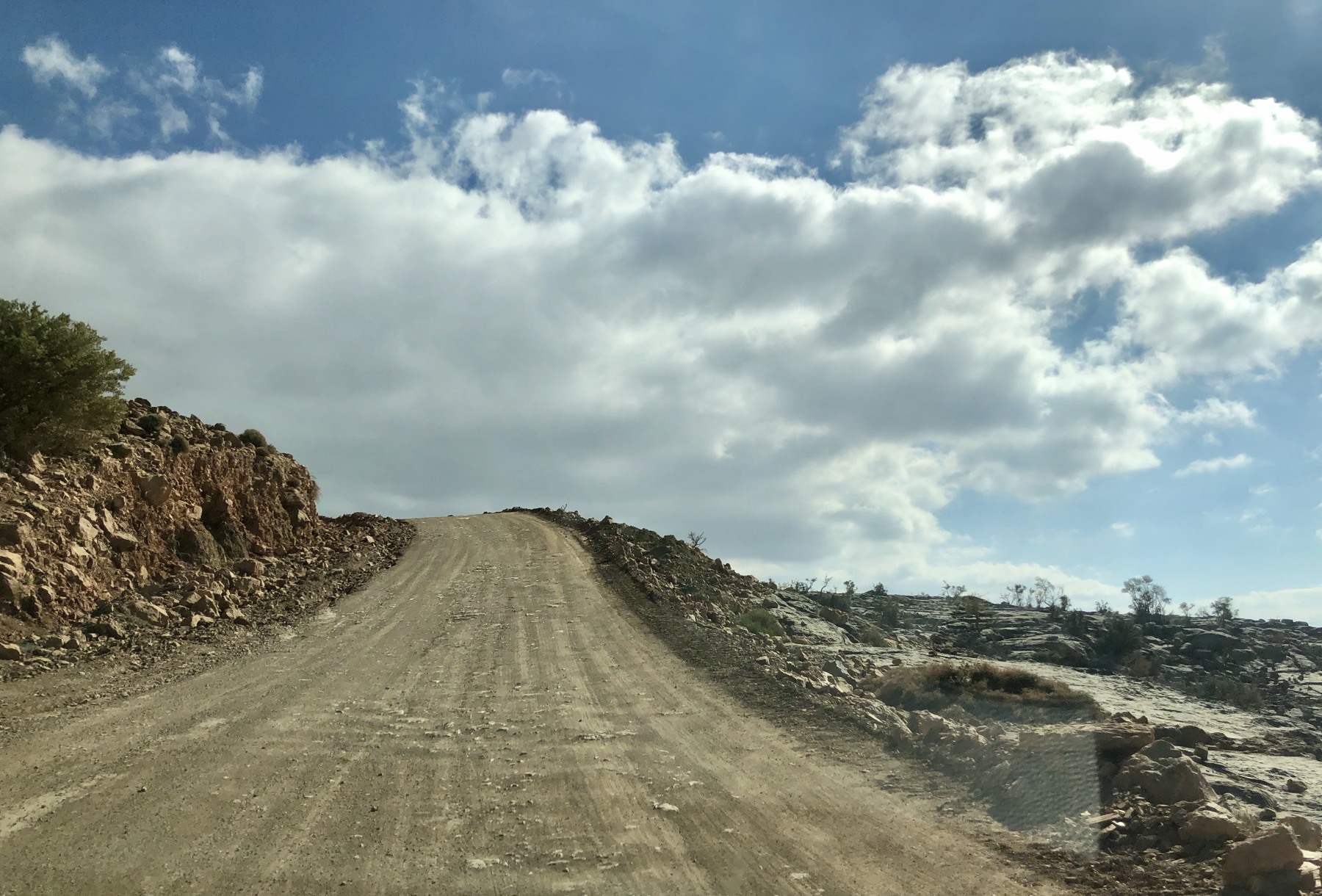
Start with the kind of journey you want
A road trip becomes difficult when it is asked to satisfy incompatible ambitions. A family wanting unhurried beach time, a photographer following changing light and a walker seeking mountain trails are not planning the same holiday. They may share a route on a map, but their useful hours, accommodation needs and tolerance for transfers differ. Begin by defining which experience deserves the best part of each day.
Choose two or three priorities rather than a catalogue of landmarks. A coastal stay and a mountain stay can provide a strong contrast without requiring a different hotel every night. If an experience is central to the trip, give it a protected window rather than placing it after a long drive. An itinerary should communicate what matters, so that later compromises do not happen randomly.
A useful planning question is what you would regret rushing. If the answer is walking through a village or spending an evening beside the sea, these activities deserve space in the schedule. They are not gaps to fill with another transfer. The practical value of a route comes from the experiences it enables, not from the number of place names attached to it.
Build the route around overnight anchors
Use accommodation as a set of anchors. A sensible sequence might begin with a settled arrival in Muscat, move to a coastal base and then continue towards a mountain stay, or reverse that order. This is a planning pattern rather than a prescribed circuit. The right direction depends on your flight, available rooms, driving confidence and the places you actually intend to visit.
For every proposed hotel change, ask whether it creates enough additional experience to justify packing, checking out, finding parking and settling in again. Two nights in one place can turn a hurried stop into a workable base. A single night is not automatically wrong, but several consecutive one-night stays can make a trip feel like a sequence of administrative tasks interrupted by scenery.
Place the final overnight stay according to the departure constraint. A remote last night can look appealing until weather, road conditions or a slow checkout compress the airport transfer. Protect the flight with a margin proportionate to the journey. Do not treat the return drive as a neutral line that will always behave exactly as a navigation application predicts.
Treat map time as a starting estimate
Navigation estimates answer a narrow question: how long a particular road journey might take under assumed conditions. They do not include a late breakfast, an unfamiliar rental collection, fuel stops, children needing a break, photography or the time spent locating the correct entrance to a property. A realistic itinerary expands the map estimate before it adds activities.
Divide a transfer into departure preparation, driving, stops and arrival. Then decide what remains for the destination. If the result leaves only a short, tired window, either shorten the route or remove the activity. This method is more useful than simply adding a universal percentage, because the non-driving part of a day varies sharply between a familiar city journey and a remote hotel transfer.
Do not schedule every day at the upper limit of your tolerance. A good transfer day contains room for a minor delay without forcing an important decision in darkness or fatigue. This is especially valuable when the route is new. The goal is not to make the journey slower for its own sake, but to avoid designing a holiday that succeeds only if nothing unexpected happens.
Choose season and elevation together
Oman does not have one uniform outdoor experience. A coastal afternoon and a highland evening demand different clothing, activity timing and expectations. Examine the locations on your route individually instead of assuming that conditions at your arrival airport represent the rest of the country. Check the official meteorological service shortly before departure and again as the route unfolds.
Seasonal descriptions help choose an initial travel window, but they are not a forecast. A month described as suitable for outdoor travel can still contain conditions that change a particular day's plan. Keep the highest-consequence activities, such as remote walks or exposed mountain transfers, conditional on current information. A booking does not make the environment comply with the itinerary.
Use layers and practical footwear rather than packing solely for the destination photograph you expect to take. Carry essentials where they can be reached during a transfer, not underneath all the luggage. Think of preparation as reducing small frictions: the less effort needed to adapt to a temperature change or an unplanned stop, the more attention remains available for the journey itself.
Match the vehicle to the permitted route
A vehicle should be chosen after the route is understood. Experience Oman's general guidelines recommend four-wheel-drive vehicles for off-road travel. That does not mean every attractive road trip requires off-road driving, or that every vehicle advertised as an SUV is appropriate for every mountain destination. Ask the rental provider and accommodation operator about the exact route, vehicle specification and permitted use.
Separate physical capability from contractual permission. A car may appear able to reach a place while its rental agreement excludes the road surface or type of driving involved. Get clarification in writing and retain it with the booking. If a mountain property offers a transfer, compare that option with the additional cost and responsibility of hiring a different vehicle for the entire holiday.
The driver is part of the vehicle decision. A larger or more capable car does not replace experience, route knowledge or a willingness to turn back. If the proposed journey exceeds your comfort, hire a qualified local operator or redesign it around paved, straightforward connections. A route that suits the actual driver is more valuable than one chosen to demonstrate the theoretical limits of the car.
Give weather the power to change the day
Create an explicit decision point before activities affected by rain, water flow or visibility. Check official warnings and local instructions before leaving the hotel, and ask about conditions at the intended destination rather than only at the property. Conditions elsewhere in a catchment can matter even when the immediate departure point looks calm. Do not improvise crossings or treat another vehicle's movement as proof of safety.
Have a replacement day ready. It might consist of a museum, an urban walk, a different coastal stop or a longer rest at the current base. The replacement does not need to be equally dramatic; it needs to preserve a worthwhile day without adding another avoidable hazard. A usable alternative makes it easier to abandon the original plan before sunk costs distort judgment.
Avoid writing instructions for yourself that depend on optimism, such as crossing before it gets worse or continuing because the hotel is already paid. These phrases convert a travel inconvenience into a pressure to persist. A flexible itinerary recognises that changing direction is sometimes the most competent decision available. The value of the holiday is not determined by completing the original spreadsheet.
Make daylight a planning resource
For an unfamiliar route, plan arrival while there is enough light to find the property, understand the parking arrangement and settle in without haste. The same principle applies to scenic stops: arriving at a viewpoint just before darkness is different from having time to explore its access safely. Check the date-specific daylight window rather than assuming that summer and winter days are interchangeable.
Work backwards from the latest comfortable arrival. Subtract the expanded transfer time and the stops you genuinely want, then assess the departure hour. If it produces an impractical morning, change the route. This is a better sequence than booking several activities first and hoping to fit the driving around them. The itinerary should respect the day as it exists, rather than the day as the holiday brochure suggests.
Include the return from walks, not just the outward journey. Excitement tends to make the first part of an activity feel shorter, while heat, fatigue or uncertainty may affect the way back. Set a turnaround time and share it with everyone in the group. The simplest useful itinerary contains an exit plan as well as an arrival plan.
Visit inhabited landscapes with care
A mountain village, beach or agricultural landscape may be someone's workplace and home. Keep access routes clear, respect signed boundaries and ask before photographing people at close range. A place being visually attractive does not remove its everyday function. Consider where you park and whether your stop makes it harder for residents to move, work or maintain their privacy.
Protected areas introduce another layer of responsibility. The Environment Authority publishes conditions for its reserves, including restrictions on driving outside specified routes and on activities such as collecting natural material. Check the particular reserve rather than treating general tourist advice as a permit. A standard hotel booking or vehicle hire does not automatically authorise camping, collecting, access after hours or other regulated activities.
Support local businesses where their services fit the journey, and allow time for the interaction rather than treating a purchase as a rushed obligation. The best cultural experience often comes from giving an ordinary encounter room to develop. It does not require staging a photograph or insisting that residents perform an idealised version of tradition for the visitor.
Prepare for ordinary disruptions
Carry the practical information needed to continue when mobile reception or a booking application is unhelpful: accommodation contacts, the agreed meeting point for a transfer, rental assistance details and an offline version of the route. Keep these accessible to another adult if travelling together. A plan held entirely on one person's phone creates an unnecessary single point of failure.
Check fuel, water, communications and the next dependable stop before departing on a less familiar leg. Preparation should follow the route rather than a generic packing list. A short coastal transfer and an isolated mountain excursion create different demands. Ask a local operator about the specific journey, while retaining responsibility for whether the proposal suits your group and current conditions.
Give travelling companions a clear account of the day. People manage a long transfer better when they understand where the breaks are and which activities are optional. Hidden expectations create unnecessary conflict: one person imagines a beach afternoon while another has silently allocated it to driving. A shared route is also a shared agreement about pace, comfort and the freedom to change plans.
Review the trip as a sequence of decisions
Before paying non-refundable costs, read the itinerary once without looking at the attractions. Look only at hotel changes, departure times, driving responsibilities, weather-sensitive activities and the final airport connection. This exposes logistical strain that can be hidden by an appealing list of experiences. Remove the weakest connection before it becomes an expensive commitment.
Then review each day from the traveller's perspective. Where will you eat, where can you rest, and what happens if one person does not want to walk? An itinerary that provides reasonable answers is usually stronger than one that maximises distance. Optional experiences should remain genuinely optional rather than forcing the group to separate in an unfamiliar place without an agreed plan.
The coast and mountains provide enough contrast to make a memorable Oman journey without constant movement. Build the trip around a few well-chosen bases, verify current access and conditions, and use the route to protect the experiences you came for. A successful road trip leaves space to notice the country between the destinations, while keeping the important decisions calm, deliberate and reversible.
Gabriel Nicolaev – CyGuru
Sources & further reading
Experience Oman: official destination planning
Experience Oman: general visitor guidelines
Oman Meteorology: official weather information
Environment Authority: Jabal Akhdar Scenic Reserve conditions
Experience Oman: registered tour operators
Photograph: Davide Mauro — original file and attribution
Photograph licence: CC BY-SA 4.0
Related on MyGCCNews
Travel planning across the GCC
Build a multi-country travel budget
Official Oman services and legislation
Dhofar Beyond Khareef: Reading Oman’s South Through Frankincense, Ports and the Coast