
Oman / Explore
Nizwa Fort as a Working System: Look Beyond the Circular Tower
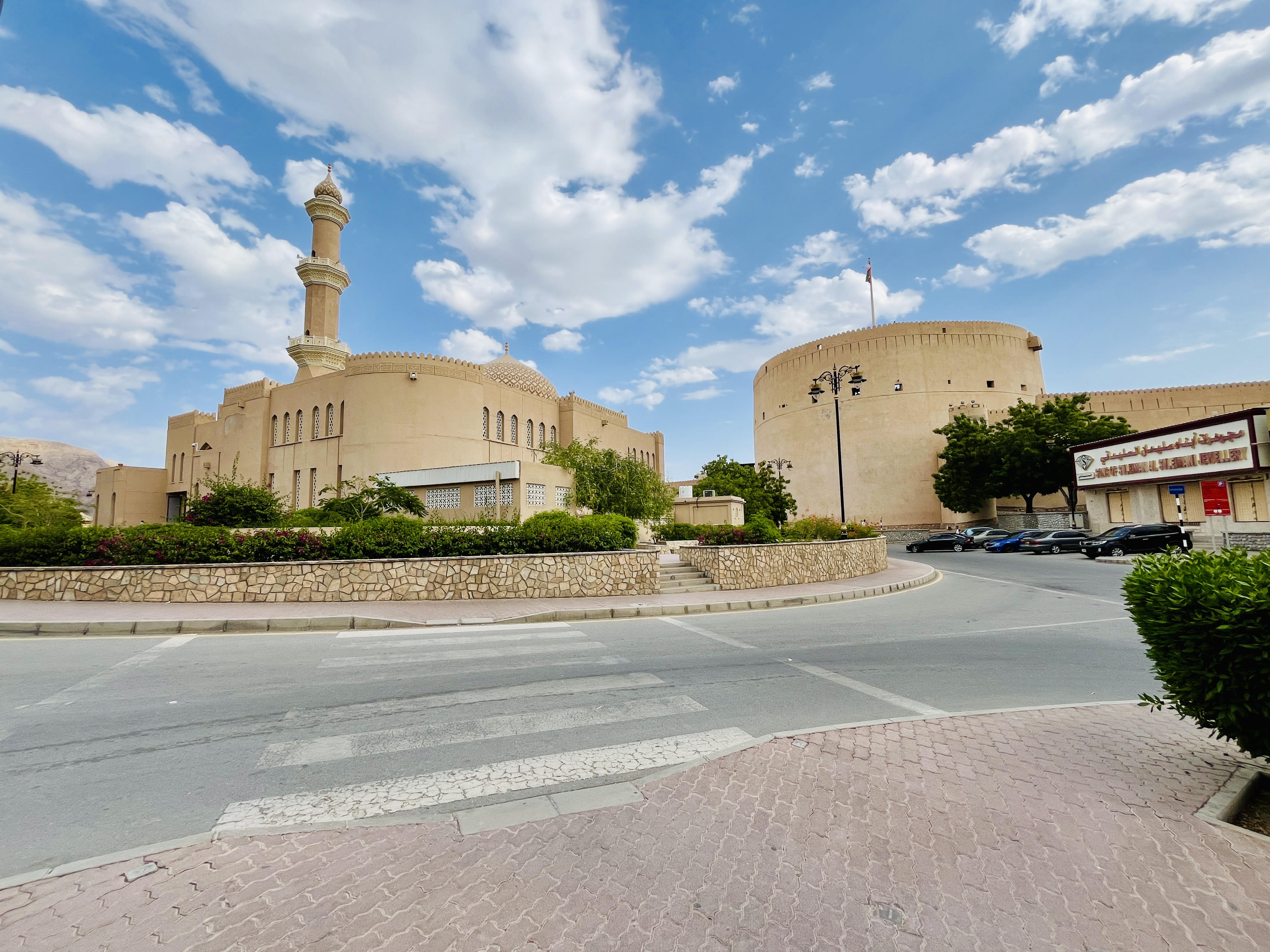
Nizwa Fort is more revealing when read as a system rather than a single monument. Its defensive arrangements, internal spaces and relationship with the surrounding town point to several kinds of authority and everyday work. The famous circular tower is the beginning of that explanation, not the whole of it.
Start with function before scale
Oman’s official tourism account places the fort’s construction in the seventeenth century during the reign of Imam Sultan bin Saif. It highlights the circular design and the defensive organisation of the building. These details provide a useful framework, but measurements alone do not explain what a visitor is seeing.
Look at how access is controlled and how people move between spaces. Consider the difference between a route intended for defence and the route provided to today’s visitors. A staircase or doorway becomes more interesting when you ask who could use it, under what conditions and with what degree of visibility or protection.
Recognise the administrative life of the fort
The official destination account also describes governance, residence and other functions within the complex. That broadens the story beyond warfare. A fort can express authority through daily administration as much as through its ability to resist an attack. Rooms, storage and reception arrangements help make that less dramatic work imaginable.
Read the labels associated with individual spaces rather than assuming that every dark chamber had the same purpose. Where demonstrations or interpreted displays are available, distinguish them from surviving historic features. Both can support understanding, but they are different kinds of evidence. Ask a guide if the relationship between an exhibit and the original building is unclear.
Connect the fort with the town
The adjacent Nizwa Souq creates an opportunity to connect monumental history with the ordinary movement of goods and people. Give the market its own attention rather than treating it as a souvenir exit. Notice which spaces serve local purchasing and which are oriented towards visitors, without assuming that one category is more authentic than the other.
Be considerate when photographing traders and shoppers. A public market is also a workplace. Ask before making a person the subject of a close photograph and avoid obstructing a transaction. Small acts of attention can make the encounter more informative than moving rapidly from one photogenic doorway to the next.
Plan for surfaces, stairs and time outdoors
Check current access and visitor arrangements through official information before travelling. A heritage site can contain changes of level, exposed areas and passages that affect mobility. Ask about the actual accessible route when someone in the group needs assistance; a general accessibility symbol cannot describe every part of a historic building.
Prepare for the conditions and leave a margin for rest. Climbing to a viewpoint is optional if the route is unsuitable for a particular visitor. A good encounter with Nizwa does not require every member of a group to complete the same physical circuit. Arrange a comfortable meeting point and let the experience accommodate different needs.
Leave with a more precise account of Oman
A useful summary of the visit should connect at least two functions of the place: defence and governance, storage and trade, or architecture and town life. This is a stronger understanding than simply reporting that the tower was impressive or the view was beautiful.
Nizwa can then become a reference point for reading other places in Oman. Similar-looking buildings may have different histories, while a familiar material may be used in another way. The value of a close visit is that it teaches you to look for those differences, instead of turning every fort into another version of the same attraction.
Gabriel Nicolaev – CyGuru
Sources & further reading
Experience Oman — Official destination portal
Photograph: Adhilaslam — original file and attribution
Photograph licence: Creative Commons Attribution-Share Alike 4.0 International
Related on MyGCCNews
Planning an Oman Road Trip: Let the Terrain Set the Pace
Muscat and Nizwa: Explore Omani Heritage Through Place and Daily Life
The Gulf Before the Skyline: Read GCC Heritage Through Trade, Water and Settlement