Understanding Kuwait Through Its Museums and Maritime Memory
Cultural institutions can provide a framework for reading Kuwait beyond the contemporary skyline. A visit becomes more valuable when collections, buildings and the surrounding geography are treated as connected evidence about how people lived and worked.
Choose the question before the institution
Decide what interests you most: maritime activity, material culture, the development of the city or another historical theme. Use the National Council for Culture, Arts and Letters to identify museums and heritage sites relevant to that question.
The official listings include the Kuwait National Museum, Maritime Museum, Sadu House and other cultural destinations. Check their current visitor information before building the route. A relevant collection deserves time; the aim is to understand its contribution rather than maximise the number of entries.
Read objects through use and context
Ask what an object enabled someone to do, what materials or skills it required and where it belonged in daily life. Use the interpretation provided by the institution to distinguish documented history from your own inference.
An object becomes more informative when it is connected to work, households, exchange or movement. This approach also helps explain why a collection matters beyond its appearance. The details can reveal a practical system that a visitor would otherwise miss.
Connect the collection to the city
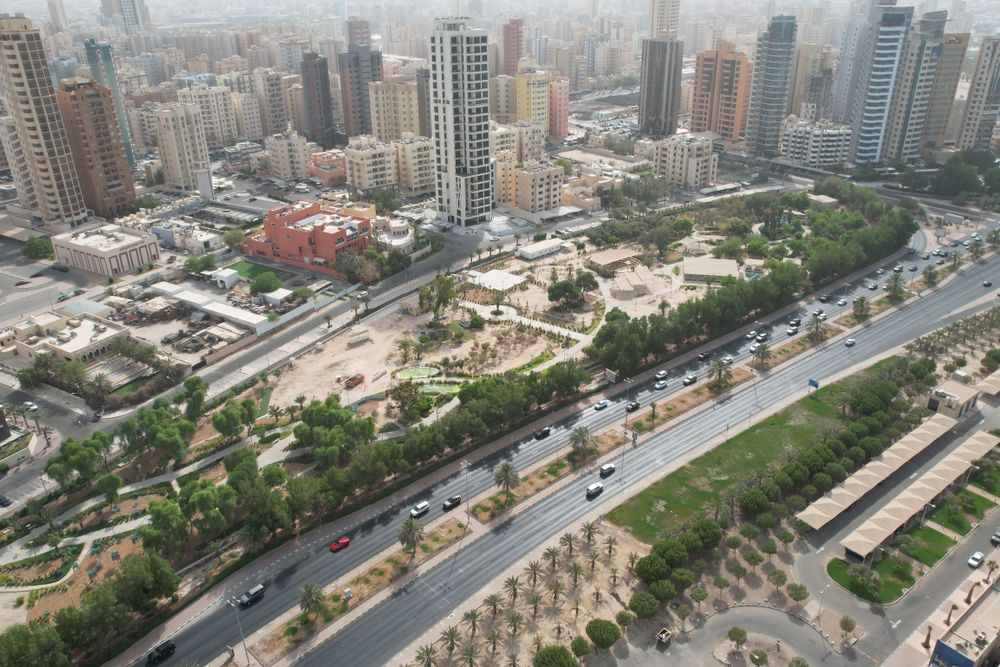
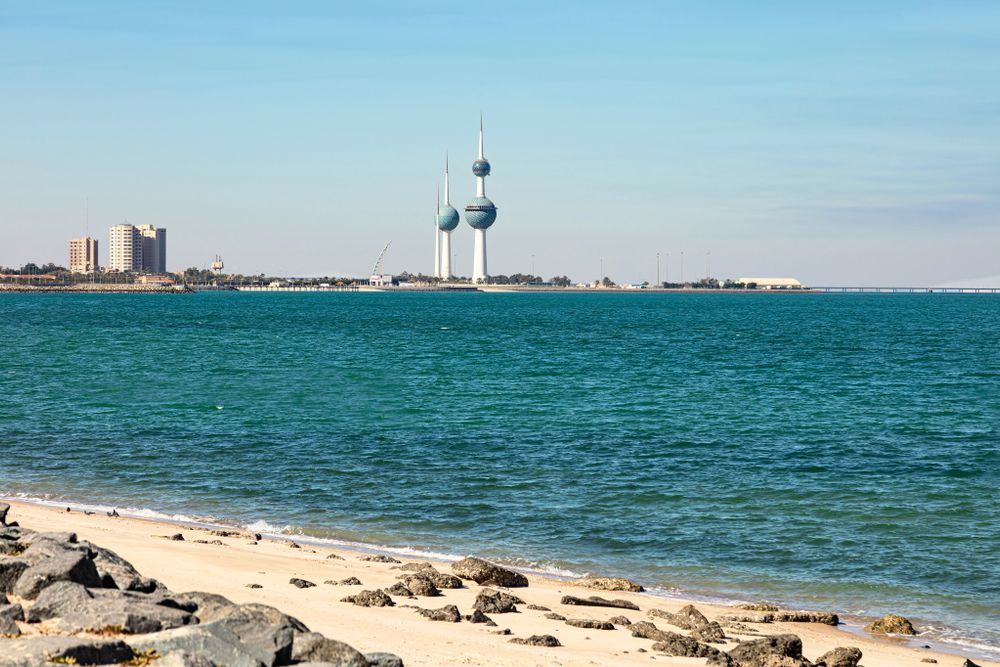
After an institutional visit, return to a public space or waterfront area and look for the relationship between the exhibition and the setting. The connection may involve geography, movement, architectural use or the activities a district supports.
Avoid forcing every visible feature into one historical explanation. A city contains different periods and purposes at once. The value lies in seeing how particular relationships become clearer while recognising what remains beyond the evidence available.
Keep the visit attentive and respectful
Follow the institution’s guidance on access and photography. Ask staff when a detail is unclear and use the answer as an invitation to further research. Respect the privacy of people whose routines intersect with the visit.
A thoughtful museum day should leave you with better questions and a more accurate understanding of particular places. Kuwait’s cultural institutions provide starting points for that work. Their lasting value is the context they add to the city you encounter afterward.
Gabriel Nicolaev – CyGuru
Original editorial guide · MyGCCNewsOfficial sources & further reading
National Council for Culture, Arts and Letters — museums ↗Kuwait Government Online — visitor destinations ↗Official resources consulted for the destination and service context. The planning framework and interpretation are the author’s. Access arrangements and requirements can change; confirm the current information with the responsible authority or operator before committing.